Updated August 2026 | PrivateUpgrades Japan travel guide
What is a ryokan? The short answer is a traditional Japanese inn, but that definition misses the point. A good ryokan is a complete evening. Shoes come off, the day slows and dinner arrives in deliberate courses. The same room may become a bedroom while you eat. The luxury lies in how carefully the inn shapes your time.
A luxury hotel offers a different kind of ease. It keeps choices open. You can return late from Tokyo, book several restaurants, use a concierge and sleep in a familiar bed. The ryokan vs hotel decision is not about which category is more luxurious. The better choice is the one that fits the rhythm of that part of your Japan trip.
Keep Tokyo and central Kyoto flexible with luxury hotels in Japan. Then add one or two nights in Hakone, Arashiyama or Ise-Shima for the slower ryokan rhythm. PrivateUpgrades can align room types, transfers and current VIP benefits where available.
Table of Contents
Key Takeaways
- A ryokan is an experience with a timetable. Arriving late can mean losing part of dinner, bathing time and the reason you booked it.
- Compare the full stay, not only the room rate. Ryokan prices are often per person and commonly include dinner and breakfast.
- Onsen and ryokan do not mean the same thing. A ryokan may not use natural hot-spring water, while a modern luxury hotel can have an excellent onsen.
- One or two nights are usually enough. Use city hotels for open-ended days and a ryokan or onsen resort for a deliberate pause.
Ryokan Vs Luxury Hotel: The Fast Answer
Traditional Ryokan
Choose Immersion
Best for: one memorable night, kaiseki, tatami and Japanese service rituals.
Trade-off: fixed meal times, less choice and more advance communication.
Luxury Hotel
Choose Freedom
Best for: cities, business, families, late arrivals and flexible dining.
Trade-off: Japanese culture may be present in design rather than daily ritual.
Ryokan-Inspired Resort
Choose The Bridge
Best for: private onsen, more space and international service standards.
Trade-off: it may not deliver the intimacy of a true family-run inn.
Split Stay
Choose The Strongest Trip
Best for: most first-time luxury travelers to Japan.
Trade-off: one extra transfer, best solved with luggage forwarding.
What Is A Ryokan, Really?
Ryokans have a lineage that reaches back more than a thousand years. Today, the word covers a wide range: tiny family-run inns, polished mountain retreats and properties that cost more than Japan’s grand hotels. Tatami floors, low furniture, futon bedding and sliding screens are common, but no single checklist proves authenticity.
The defining quality is how everything fits together. The room, bath, dinner, breakfast and service do not compete for your attention. They form a sequence. Staff may welcome you with tea, explain the yukata, prepare dinner and later lay out the futon. This thoughtful care is often called omotenashi. It means meeting a guest’s needs before they have to ask.
A modern ryokan can have Western beds, private villas and minimalist architecture. A traditional one can have modest facilities but remarkable food and personal service. That is why star ratings alone are unreliable. The better questions are: What happens between check-in and breakfast? Who is the stay designed for? And how much of the experience depends on following its schedule?
The 24-Hour Difference: How Each Stay Feels
A Classic Ryokan Night
The Property Sets The Rhythm
15:00 Arrive, remove shoes and settle in with tea.
16:00 Bathe before dinner; wear the yukata if invited.
18:00 Begin kaiseki at the appointed time.
20:30 Return to a room prepared with futon bedding.
08:00 Eat a Japanese breakfast, often at a fixed sitting.
10:00-11:00 Check out and continue the journey.
A Luxury Hotel Night
The Guest Sets The Rhythm
15:00 Check in or leave luggage with the concierge.
17:00 Continue sightseeing, shop or use the spa.
20:30 Choose from the hotel or city restaurants.
23:00 Return without disrupting a set service sequence.
09:30 Choose buffet, a la carte or room-service breakfast.
12:00 Check out, with later departure where available.
This is the central difference. A ryokan asks you to surrender some choice in exchange for a more complete experience. A hotel protects choice. On a busy Tokyo itinerary, freedom is luxury. After several city days, surrendering the schedule for one night can feel even more luxurious.
Kaiseki Changes The Booking Decision
Kaiseki is not simply a tasting menu added to the room. It often determines check-in time, the evening’s pace and the final price. Courses may follow the season through ceramics, local fish, vegetables, broth and a carefully timed finish. In some inns dinner is served in the room; in others, guests use a private or shared dining space.
Tell the property about allergies and dietary needs well before arrival. A kitchen built around fish stock, shellfish and many small dishes may not be able to redesign the menu at the table. Preferences are different from medical needs. Changes can be limited. A good luxury advisor should learn what the kitchen can really do rather than promise that every request will be easy.
Price comparisons need the same care. A ryokan rate may be quoted per guest and include dinner plus breakfast. A hotel rate is more often per room before meals. Put the full evening on both sides of the comparison. The apparently expensive inn may include the two meals that define the stay; the hotel may leave dinner, drinks and transport outside the rate.
How Much Does A Ryokan Cost?
There is no useful nationwide flat price for a ryokan. The total changes with the region, season, day of the week, room category, private-bath access and meal plan. The first distinction is how the rate is quoted. Many ryokans price per guest, while hotels more often display a room price. A figure that looks comparable on the first screen can therefore represent two different totals for a couple.
Compare the complete stay rather than the sleeping space. A ryokan package commonly includes kaiseki dinner and Japanese breakfast. A hotel total may still need dinner, breakfast, drinks and transport. Also check service charges, local or bathing taxes, children’s bedding and meals, supplements for special dishes, reservable private baths and cancellation terms. These details can matter more than a small difference in the headline rate.
Before payment, request the full price for every guest in the exact room category, with the selected meals, taxes, bath access and transfers shown separately. That is the only reliable way to compare a ryokan with a luxury hotel for specific dates.
Onsen, Private Baths And The Words That Matter
An onsen uses natural hot-spring water. A rotenburo is an open-air bath. A kashikiri or kazokuburo is a bath reserved privately, often for a set period. These details matter because a beautiful stone tub in a room is not automatically fed by a natural spring.
For a shared onsen, wash and rinse before entering the bath. Swimwear is normally not worn. Keep the small towel out of the water, speak quietly and leave phones behind. The ritual is easy once explained, and a good property will guide first-time guests without making them feel tested.
Tattoo rules vary. Some baths accept tattoos, some allow cover stickers and others restrict access. A private room bath can make the stay easier. So can a bath reserved for your sole use. Do not assume either choice changes the rules for shared spa areas. Confirm the water source and access policy before choosing the room.
Who Should Choose A Ryokan, And Who Should Choose A Hotel?
Use a hotel in Tokyo and central Kyoto, then add one ryokan-style stay. It delivers cultural contrast without making every day conform to fixed meals and early nights.
Prioritize a private bath, a calm view and private dining if desired. One beautiful room category can matter more than a larger property’s full facilities list.
Confirm children’s meals, futon setup, bath access and room occupancy. Send ages early because many ryokans price and serve children by age.
A city hotel is usually easier for meetings, late dinners, desks and fast transport. Save the ryokan for a night when the calendar can truly stop.
Choose a property that confirms the request in writing. A flexible hotel with several restaurants may be safer than a small kitchen built around one kaiseki menu.
Ask about stairs, low seating, tatami, futon height and bathing access. Modern ryokan-inspired hotels can preserve the atmosphere while offering Western beds and easier circulation.
How Many Nights Should You Stay?
For most itineraries, one or two nights are right. One night works when the ryokan sits naturally between cities, as Hakone does between Tokyo and Kyoto. Arrive early enough to bathe before dinner, sleep, have breakfast and leave without forcing a full sightseeing program around the inn.
Two nights make sense when the landscape is part of the reason to travel. A second afternoon at Amanemu can hold a private bath, spa time and the quiet of Ago Bay. Two nights in Arashiyama allow the river and bamboo district to be experienced before or after the busiest hours. The property then becomes a destination instead of an elaborate bed.
Three or more nights require care. Repeated set dinners can become heavy, and remote properties limit outside dining. Ask whether menus change, whether meal plans are optional and how much there is to do between breakfast and the bath. Luxury should not become a beautiful form of confinement.
Four PrivateUpgrades Hotels That Bridge Both Worlds
The following properties are not presented as four traditional ryokans. They are useful because each combines Japanese bathing, landscape or design with the operational ease of an international luxury hotel. That distinction keeps expectations honest.
Amanemu: The Destination Onsen Resort
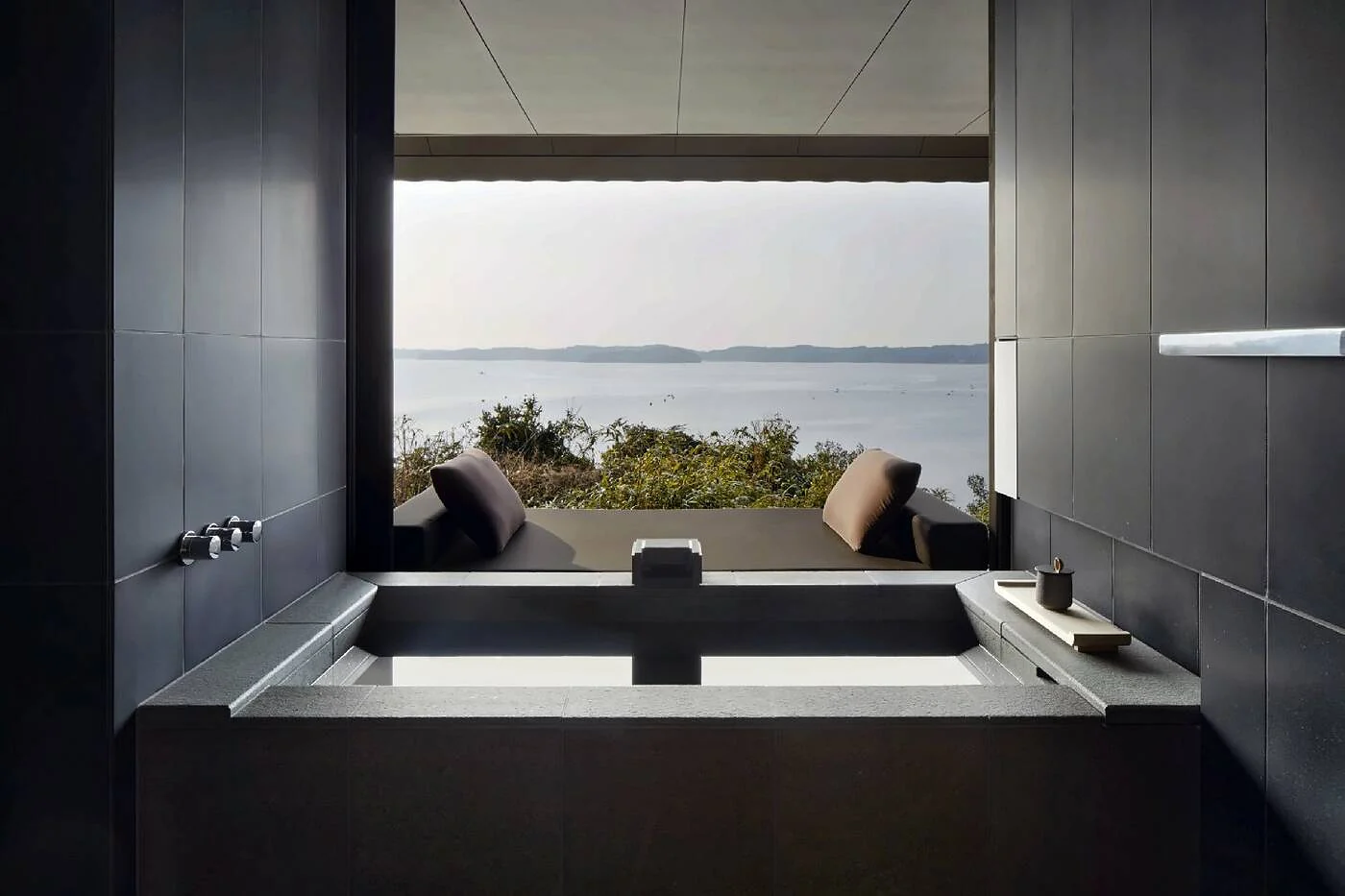
Amanemu sits in Ise-Shima National Park above Ago Bay. Its 24 suites are unusually spacious, and the resort draws thermal spring water into the bathing experience. Suites and villas offer private spring-fed plunge baths, while the spa expands the ritual through larger thermal facilities and private onsen pavilions.
Choose Amanemu when the trip needs a genuine two-night pause after Kyoto or Osaka. The mood is more private resort than traditional inn, but the combination of Japanese materials, bathing and landscape captures the emotional reason many travelers search for a luxury ryokan in Japan.
Book Amanemu With VIP Benefits
Hotel The Mitsui Kyoto: The City-Hotel Bridge
Hotel The Mitsui Kyoto is a strong answer for travelers who want Japanese calm without leaving central Kyoto. It has 160 rooms, a garden facing Nijo Castle and thermal-spring bathing below the hotel. Selected Onsen Suites add a private natural spring bath. The private onsen rooms offer more than 100 square meters of secluded bathing and rest space.
Choose it for a first visit, mobility needs or a schedule that includes guides and evening reservations. It keeps the concierge, restaurants and familiar bed of a luxury hotel while making the onsen more than a decorative spa theme.
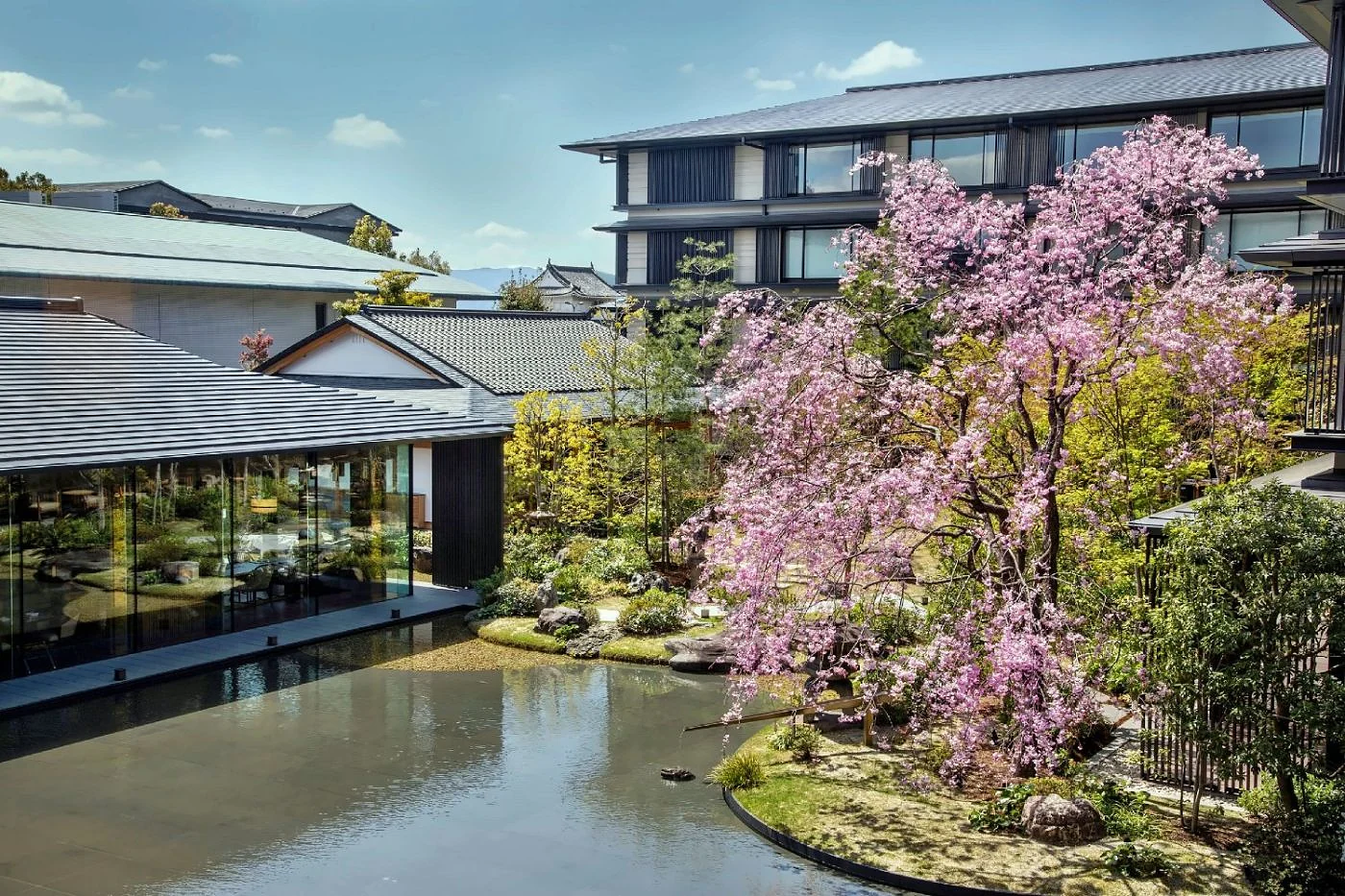
Book Hotel The Mitsui Kyoto With VIP Benefits
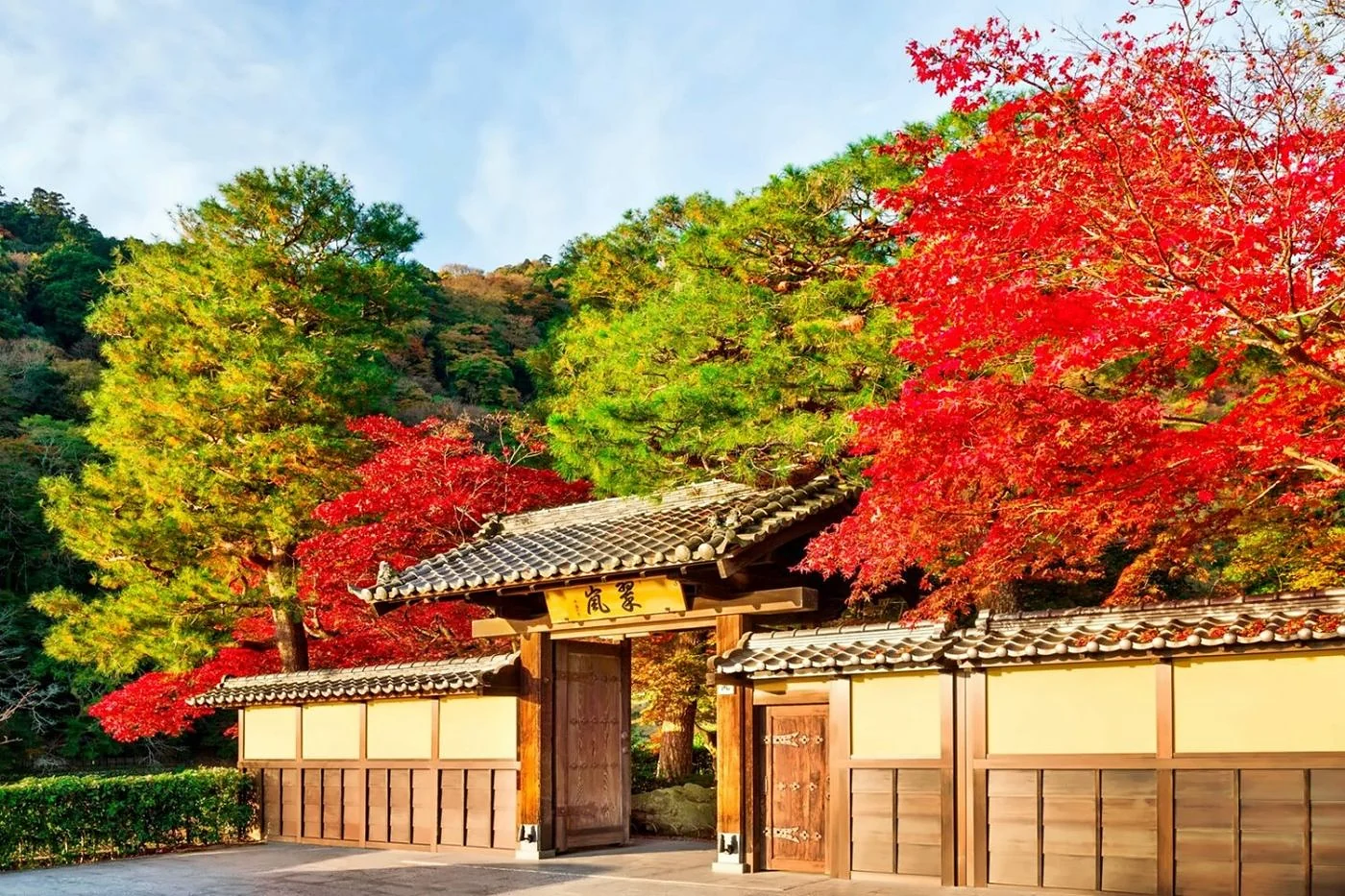
Suiran Kyoto: Arashiyama With Ryokan Character
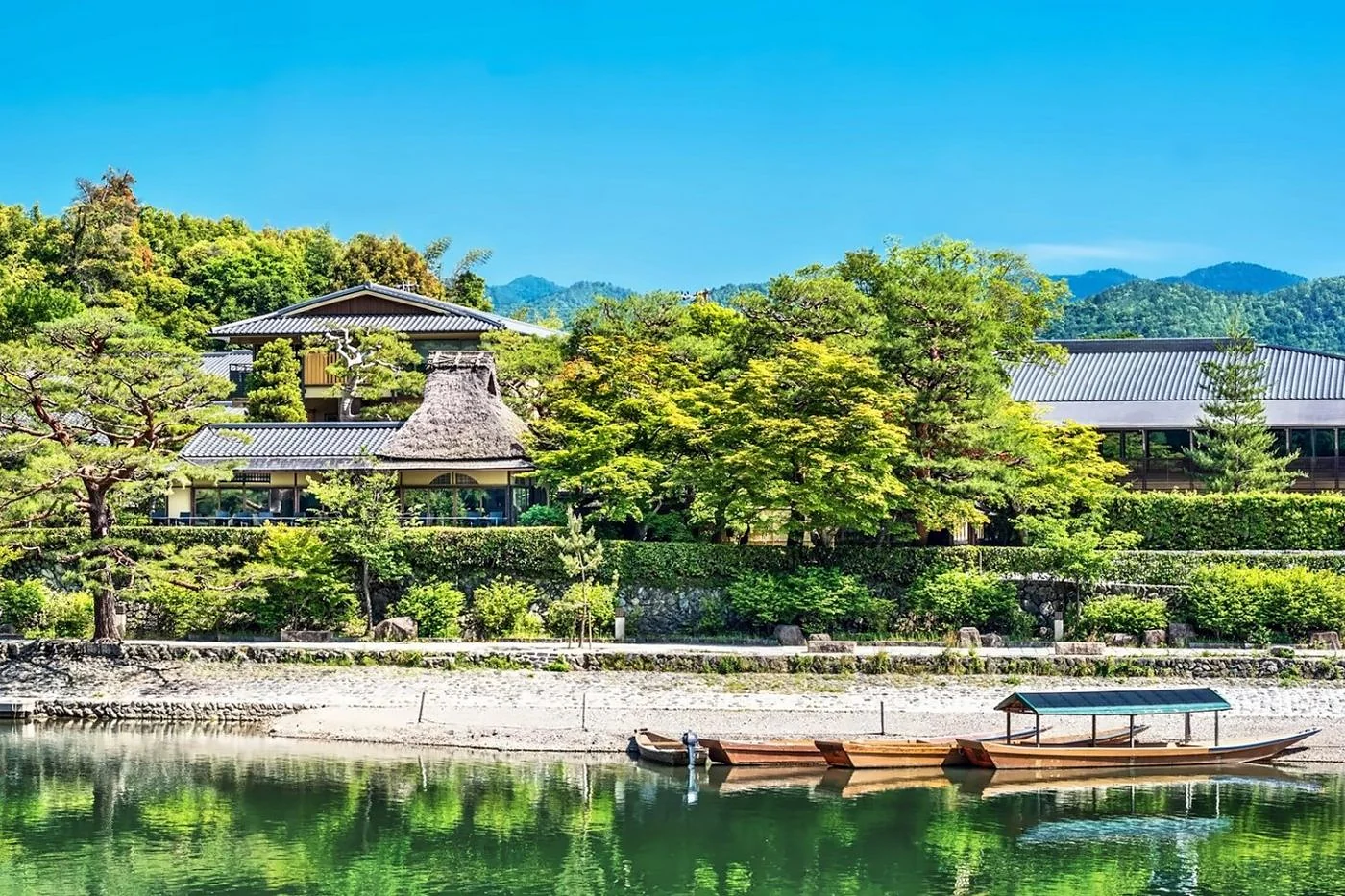
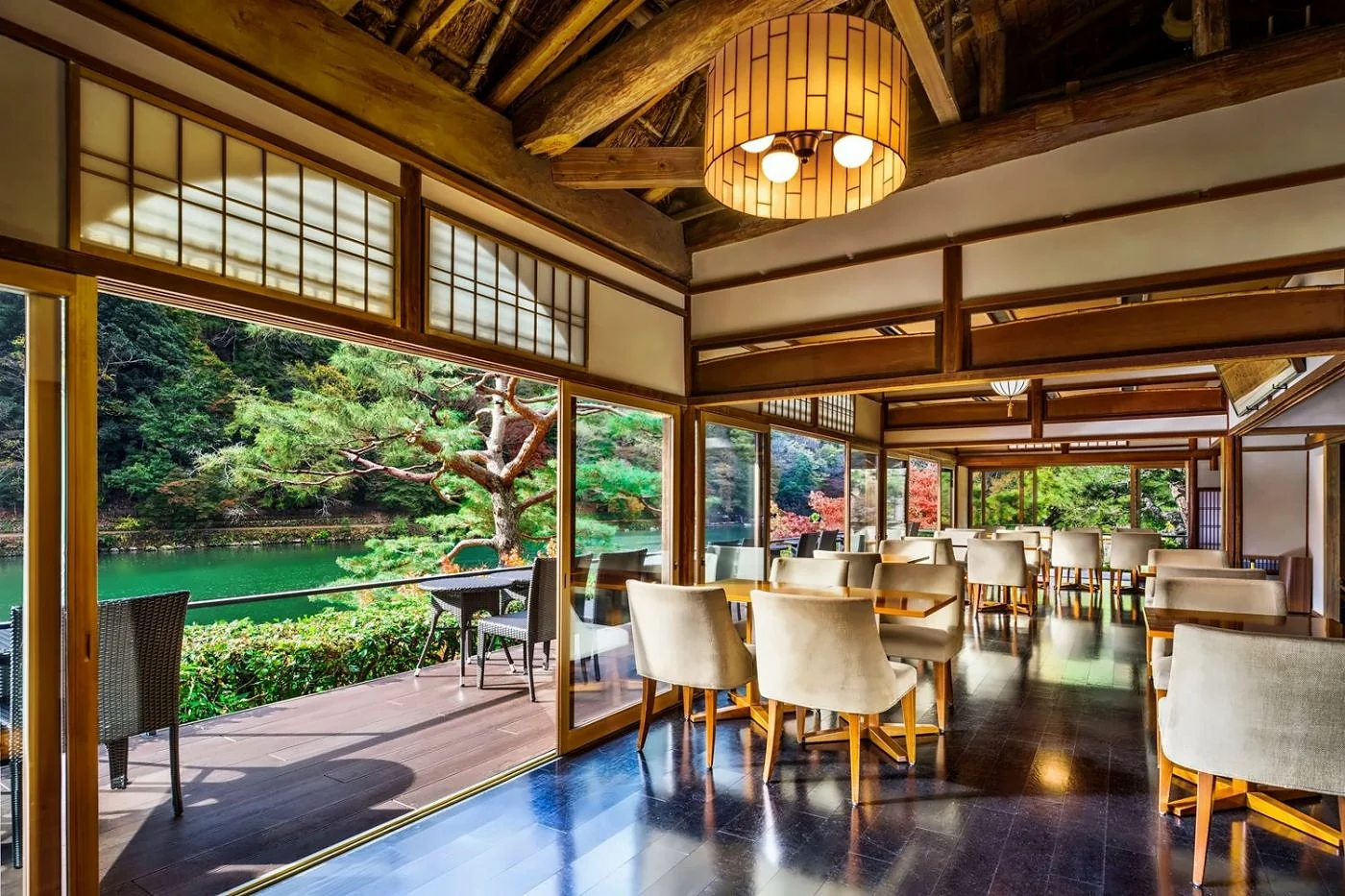
Suiran Kyoto sits beside the river in Arashiyama. Seventeen rooms have baths supplied by Arashiyama onsen water, and the hotel also offers reservable private outdoor baths for guests. Historic buildings, garden views and the quieter edge of Kyoto create a stronger ryokan mood than a conventional city hotel.
Choose Suiran for one or two nights after central Kyoto. Go early to the bamboo district, return when day visitors peak, and let the late afternoon belong to the river and bath. It is especially effective for couples who want culture without a remote transfer.
Book Suiran Kyoto With VIP Benefits
Hyatt Regency Hakone: The Easy First Onsen Stop
Hyatt Regency Hakone Resort and Spa is in Gora, roughly a 90-minute journey from central Tokyo under good connections. It offers the familiarity of a resort hotel with access to Hakone’s hot-spring culture. That makes it useful for guests who want a private room, broad hotel services and a less formal first encounter with onsen etiquette.
Choose it when Hakone is a transit chapter between Tokyo and Kyoto, or when one traveler wants Japanese bathing while another prefers hotel flexibility. It is not a substitute for a tiny family-run ryokan. It is a practical bridge.
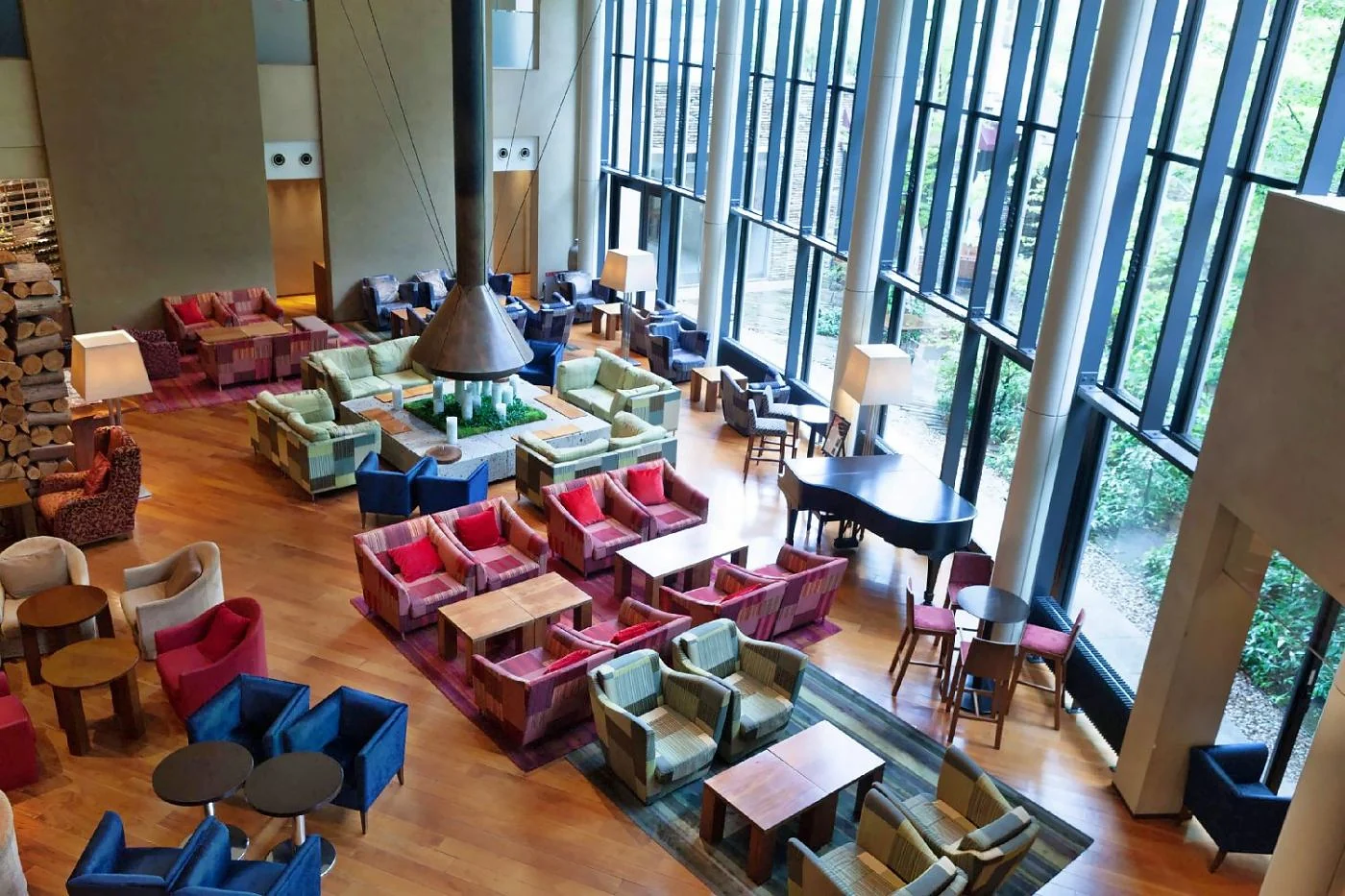
Book Hyatt Regency Hakone With VIP Benefits
Three Japan Itineraries Where The Combination Works
Classic First Trip
Tokyo + Hakone + Kyoto
Four nights in Tokyo, one night in Hakone, then four nights in Kyoto. Send large luggage ahead to Kyoto and travel to Hakone with one overnight case.
Why it works: the onsen stay sits naturally on the route rather than becoming a separate expedition.
Kyoto In Two Moods
Central Kyoto + Arashiyama
Three or four nights near the main temples and restaurants, then one or two nights at Suiran. Move after sightseeing rather than crossing the city every day.
Why it works: central access comes first; river quiet closes the Kyoto chapter.
The Deep Exhale
Kyoto Or Osaka + Ise-Shima
Use the cities for food and culture, then allow two or three nights at Amanemu. Do not compress Ise-Shima into one night merely to collect another stop.
Why it works: the landscape and onsen become the ending, not an interruption.
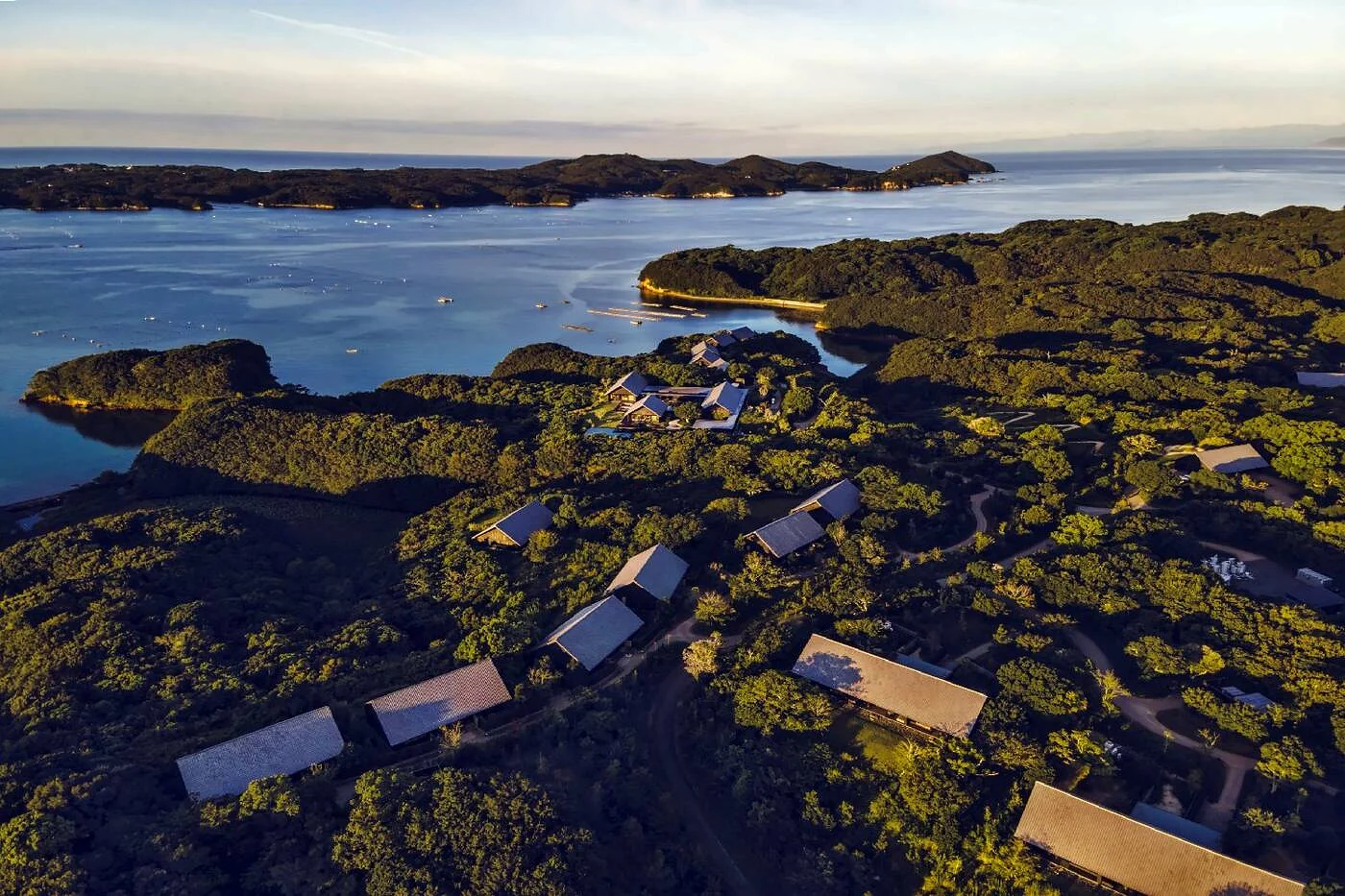
For a wider route, use our Japan luxury hotel itinerary guide. If Tokyo is the difficult decision, our Tokyo neighborhood guide for luxury travelers explains which base fits shopping, calm, nightlife, views and easy arrivals.
The Booking Checklist That Prevents Disappointment
Is the rate per person or per room? Are dinner and breakfast included? What is the latest arrival for dinner?
Is it natural onsen water? Is it shared, reservable or in-room? Is the open-air bath attached to the booked category?
Provide allergies, dietary restrictions, children’s ages, tattoo questions and mobility needs well before arrival.
Confirm futon or Western beds, room access, low seating and whether staff prepare the room during dinner.
Do not place a long international arrival before a fixed kaiseki dinner. Stay in the city first or book a flexible first night.
Forward large bags to the next hotel and keep one small case for a short ryokan stay, especially on the Tokyo-Hakone-Kyoto route.
Where PrivateUpgrades Adds Value
The most expensive mistake is not choosing the wrong brand. It is booking the wrong format for the night. PrivateUpgrades can compare luxury hotels in Kyoto, hotels in Hakone and onsen resorts across Japan. We can also clarify room baths, meal plans, transfers and the realistic value of the available benefits.
At participating hotels, current benefits may include daily breakfast, hotel credit, upgrade priority, early check-in, late check-out and VIP recognition. Benefits vary by rate and date. In Japan, the operational details are just as valuable: confirming a private bath, protecting dinner arrival and choosing a room that truly suits the guest.
Plan A Luxury Japan Journey With PrivateUpgrades
Frequently Asked Questions
What is a ryokan in Japan?
A ryokan is a traditional Japanese inn whose rooms, service, meals and bathing rituals form one experience. Many use tatami floors, futon bedding, yukata robes, Japanese breakfast and a multi-course kaiseki dinner. Some have onsen, but hot-spring water is not a requirement for every ryokan. Rates are commonly quoted per person and may include two meals.
What is the difference between a ryokan and a hotel?
A hotel is built around flexibility: multiple restaurants, a concierge, later dining and familiar beds. A ryokan has a stronger timetable. Guests arrive before dinner, bathe, eat a set meal and sleep in a room that may be transformed for the night. The right choice depends on whether you want cultural immersion or operational freedom.
How many nights should I stay in a ryokan?
One night is enough to understand the classic rhythm, especially on a Tokyo-Hakone or Kyoto-Arashiyama trip. Two nights are better when the property is a destination with private baths, gardens or a remote landscape. Longer stays can feel repetitive if dinner follows a similar format and you also want to explore a city.
How much does a ryokan cost?
There is no single national price because ryokan rates change by region, season, room, bath and meal plan. Rates are often quoted per person and commonly include dinner and breakfast, while hotel rates are more often quoted per room before meals. Compare the final total for every guest, including taxes, drinks, children's meals, private-bath reservations and transfers.
Do all ryokans have private onsen?
No. Some have only shared baths, some offer reservable private baths, and others provide a bath inside selected rooms. Also check whether the water is a natural hot spring. A private soaking tub is not always an onsen. Ask specifically about an onsen, rotenburo or kashikiri bath before booking.
Can guests with tattoos use a Japanese onsen?
Policies vary by property and can change. Some public baths restrict tattoos, while others allow them or provide cover stickers. A private in-room bath or reservable private bath can be the simplest solution, but it does not automatically change the rules for shared spa areas. Confirm the exact policy before arrival.
Is a ryokan suitable for families with children?
Yes, but the best property and room category depend on the children's ages. Tell the inn the number and ages of children because bedding and meals are often priced separately. Families should also confirm dining duration, bathing arrangements, futon setup and whether the atmosphere expects a particularly quiet evening.
Should first-time visitors choose a ryokan or a luxury hotel?
For a first Japan trip, the strongest plan is usually both. Use luxury hotels in Tokyo and central Kyoto for flexible sightseeing, then add one or two nights in Hakone, Arashiyama or Ise-Shima for bathing, dining and a slower pace. This gives the cultural depth of a ryokan without asking it to handle every logistical need.
Can I book ryokan-inspired luxury hotels with PrivateUpgrades benefits?
Yes. PrivateUpgrades features selected Japanese hotels and resorts that combine onsen, Japanese design or ryokan-inspired service with international luxury facilities. Benefits can include breakfast, hotel credit, upgrade priority, early check-in, late check-out and VIP recognition where available. The exact package depends on the hotel, rate and dates.
Methodology And Freshness Note
We checked this guide in August 2026 against current Japanese tourism guidance, onsen etiquette and official hotel information. The recommendations distinguish traditional ryokans from international hotels with ryokan or onsen elements. Hotel facilities, bath access, meal policies, benefits and tattoo rules can change. PrivateUpgrades will confirm the live details for the exact room, rate and dates before booking.