The historic houses at Amanyangyun traveled to Shanghai. Dismantled in Jiangxi and reassembled beside transplanted camphor trees, they carry the story of a conservation project threatened by a reservoir. Their courtyards are the reason to make time for this resort, even in a city with more than enough to occupy every waking hour.
Three nights allow a revealing sequence: an arrival afternoon among the buildings, a full day for Chinese cultural traditions and the grounds, then a selective outing or another day on the property. This is a stay for someone who wants to understand the place they have booked.
A resort on Shanghai’s fringe, with its own reason to visit
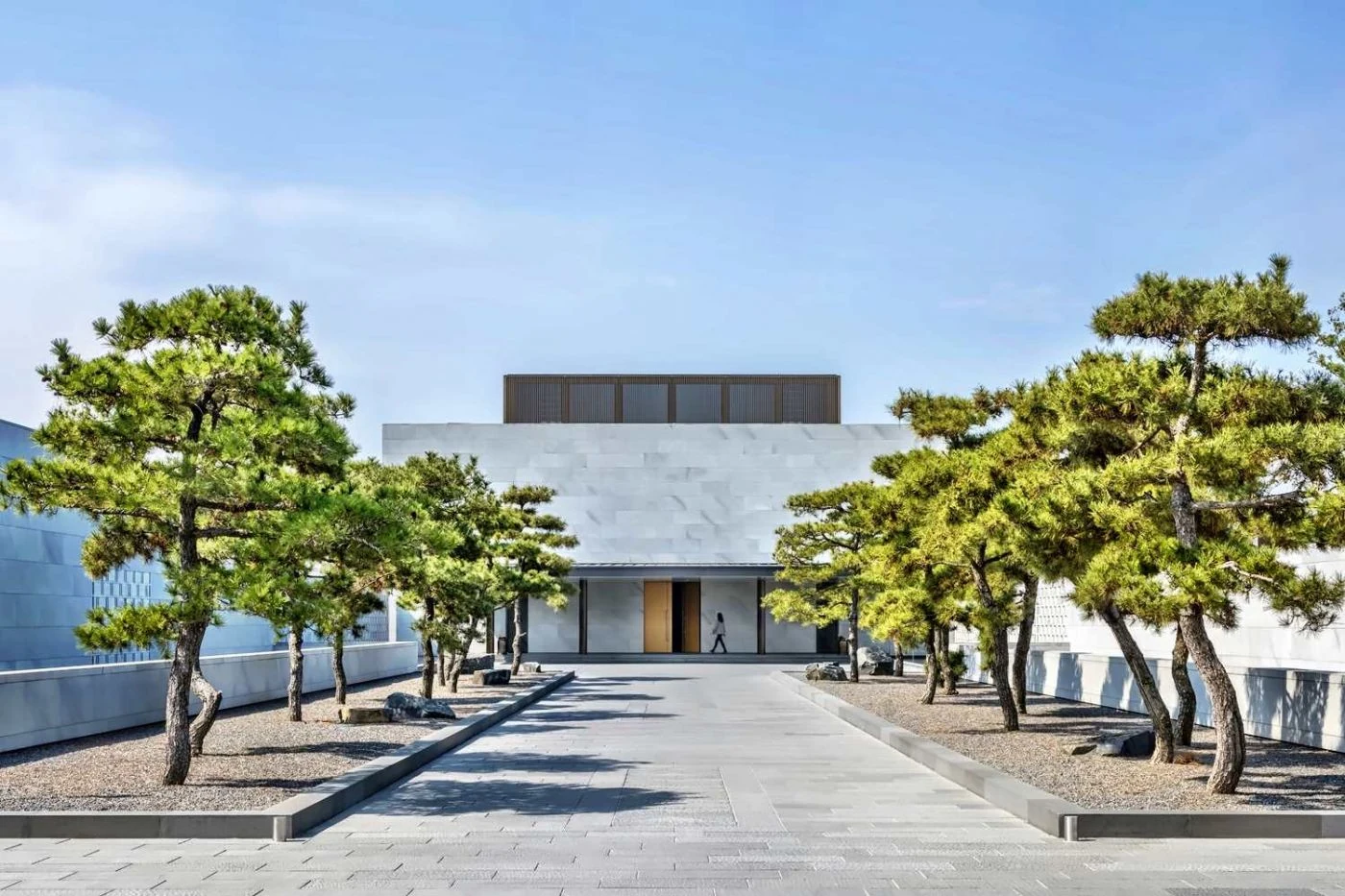
Amanyangyun sits in Minhang, outside central Shanghai. Historic pavilions, contemporary accommodation and a camphor forest form a landscape of courtyards and paths. A Bund-facing city hotel serves a different trip: museums, restaurants and neighborhood walks immediately beyond the door.
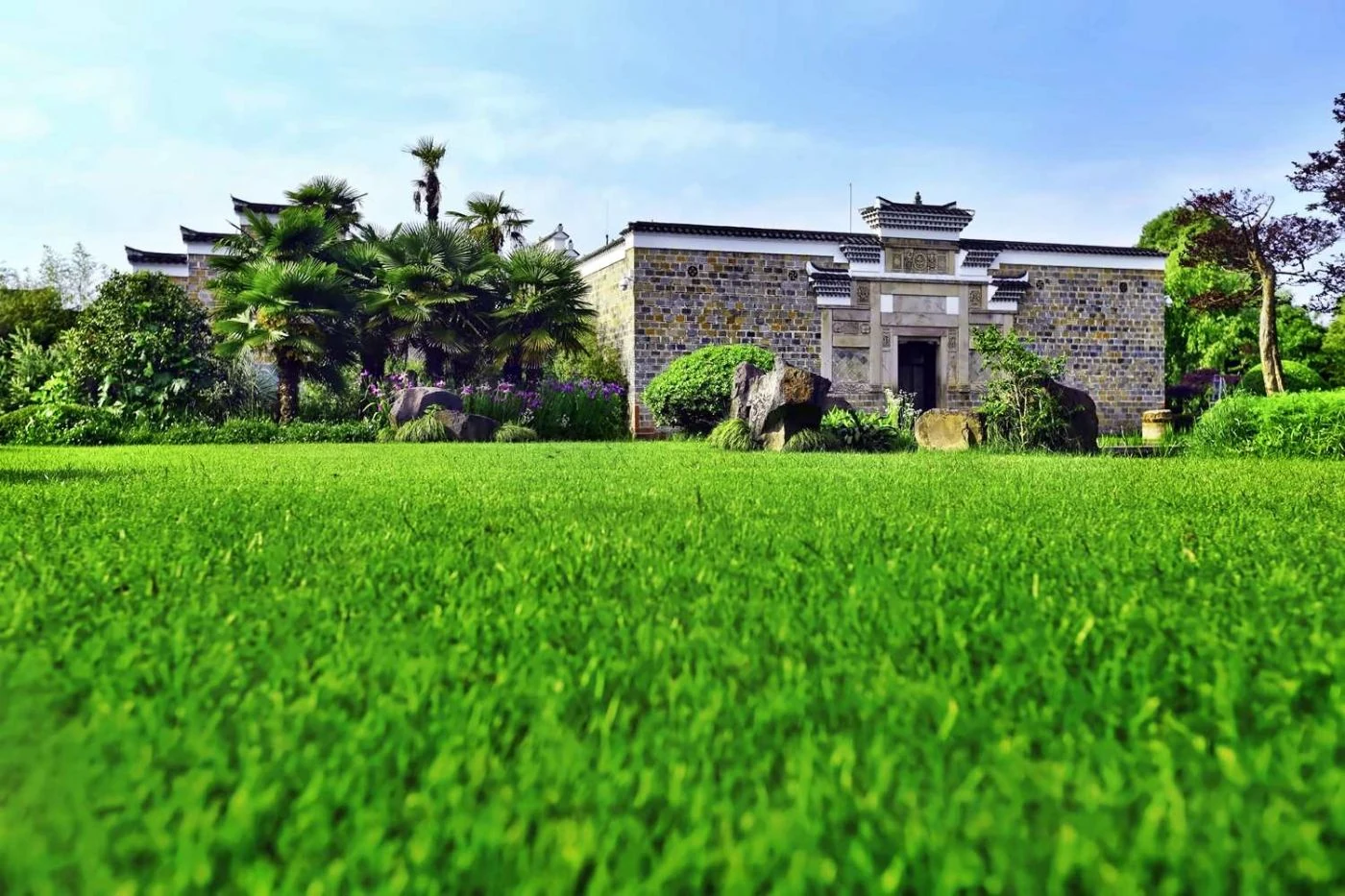
The restoration began with buildings and trees salvaged from Fuzhou in Jiangxi. Aman joined the project in 2009, and the resort opened in 2018. The houses were carefully reassembled and adapted for modern hospitality. Their relocation is central to the story; this is not an ancient Shanghai village preserved in its original position.
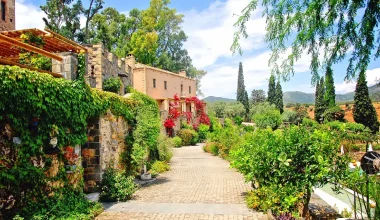
Architecture deserves an introduction on the first afternoon. Arrange an exploration with someone who can explain the construction, carved details and the differences between old and new. After that, walking back through a courtyard becomes more interesting: the timber and stone have a history you can recognize.
Choose contemporary courtyards or restored architecture
The Ming Courtyard Suite is a contemporary category with two private courtyards and 99 square meters of space. For a couple planning to use the cultural center, pools and restaurants, it provides a generous private base without making a full villa necessary.
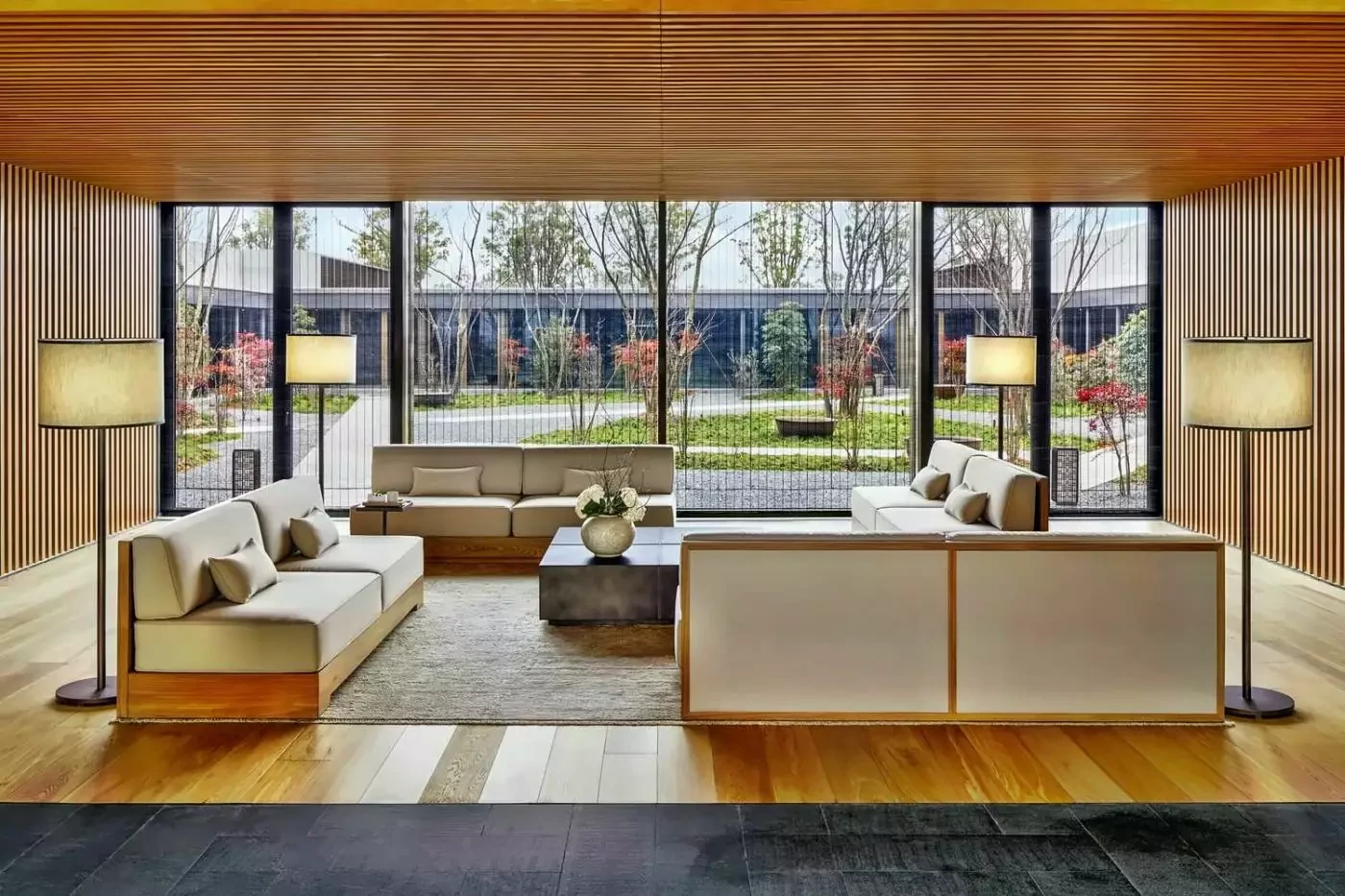
Antique Pavilions occupy restored historic houses. Their appeal lies in the architecture around the stay: a different way to experience the project from sleeping in the contemporary wing. A Ming Pavilion offers another contemporary layout, with its own living space and courtyards.
Groups considering a four-bedroom villa need a more exact decision. The Four-Bedroom Antique Villa combines one historic bedroom with three contemporary bedrooms; the Qing Antique Villa combines two of each. Both have a private swimming pool. These layouts matter when several couples expect equivalent bedrooms, or when the heritage setting is the reason for paying for a larger compound.
| The wish | The accommodation decision |
|---|---|
| Private outdoor space for two | A Ming Courtyard Suite, with a contemporary interior and two courtyards. |
| Sleeping within restored architecture | An Antique Pavilion, selected for its exact layout. |
| A private gathering place for several guests | A full villa with its bedroom mix, exclusive spaces and pool specified. |
The difference between a suite and a complete villa is particularly tangible here. Extra space, heritage and exclusive use are separate attributes. PrivateUpgrades matches the actual plan of the accommodation to the group before confirming the reservation.
The first afternoon belongs to the buildings
After arrival, settle into the courtyards and take the architectural introduction. A meal at the resort and an evening walk are a sufficient beginning. You have two full days ahead, so a late flight need not undo an elaborate sequence of appointments.
Hongqiao and Pudong require different transfers. Aman gives indicative drives of around 30 minutes from Hongqiao and 40–50 minutes from Pudong, depending on traffic. We coordinate the vehicle for the actual airport and flight. Passport-specific entry arrangements are resolved as part of the wider journey; a room reservation alone is not an entry permission.
The resort’s outdoor character also makes the season relevant. In warm, humid weather, use the paths earlier and return to the indoor cultural spaces during the hottest hours. Cooler weather gives a courtyard lunch or longer walk a different appeal. The room should be somewhere you want to spend time in either case.
A morning at Nan Shufang
Nan Shufang occupies relocated antique buildings and takes its name from the royal reading pavilion in the Forbidden City. Calligraphy, painting, traditional music, tea and incense give those rooms an active cultural purpose. Participation offers a different understanding from looking at the architecture alone.
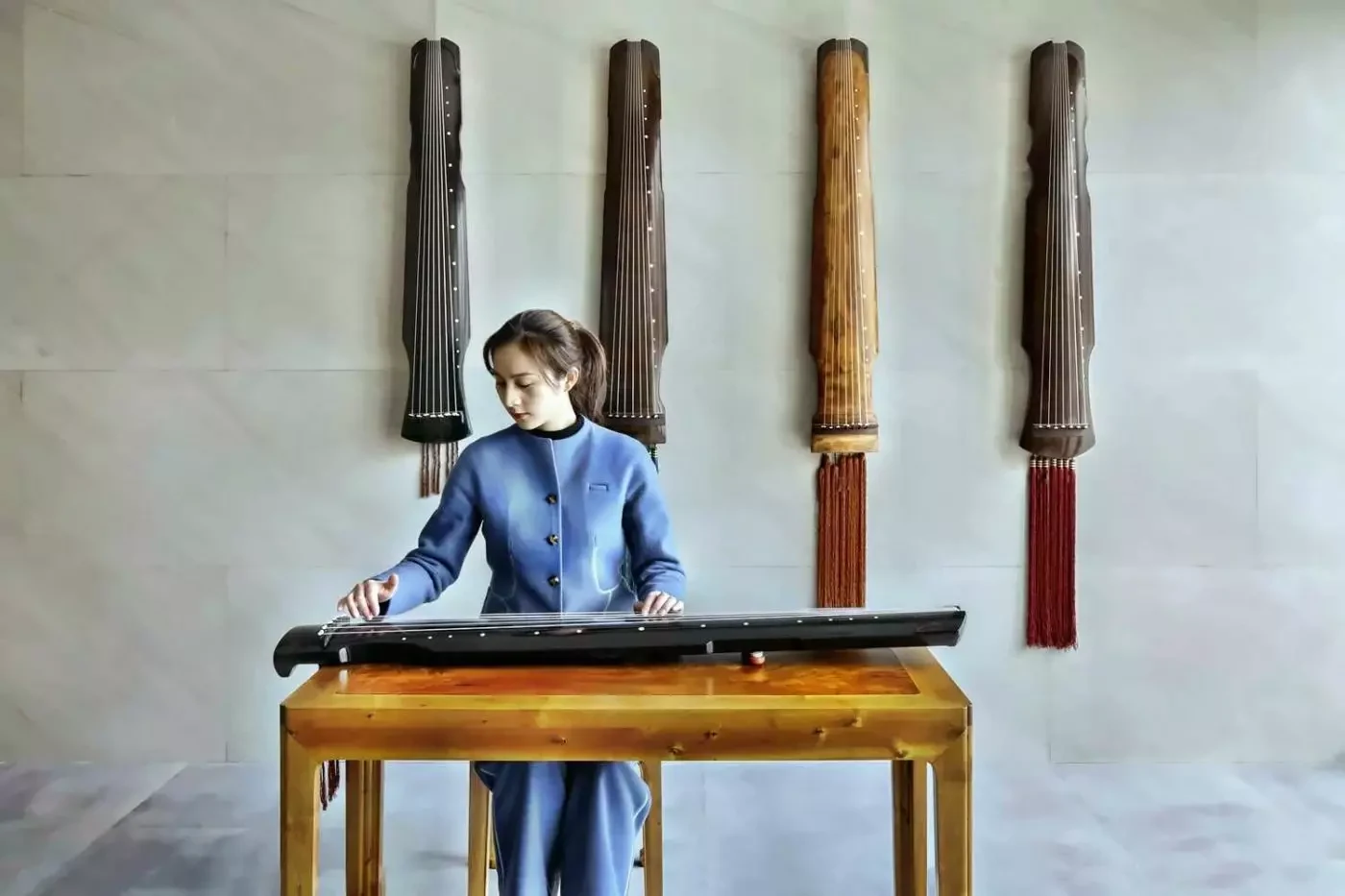
Choose a session for a genuine interest. In calligraphy, concentration shifts to the brush and the construction of a character. A tea-focused session appeals to someone more interested in ritual and conversation; traditional music brings another way to spend time inside the old buildings. One substantial appointment can hold the morning.
A private session and an activity on the scheduled program are different arrangements. The experience included with the selected room offer is identified when we plan the stay, along with the host and timing of any additional reservation. That gives the cultural morning a proper place without turning it into a series of short demonstrations.
For a mixed-interest group, this is a good opportunity to divide. Some can continue with a cultural session while others walk or swim, meeting again for lunch. Sharing an Antique Villa does not oblige every guest to use the resort in the same way.
The afternoon is a reason to remain on the property
The camphor setting, outdoor pool and paths create a quieter counterpoint to Nan Shufang. Walk after lunch when the weather is comfortable, cycle where appropriate or spend the afternoon in your courtyard. This is where booking a resort outside the city begins to make sense.
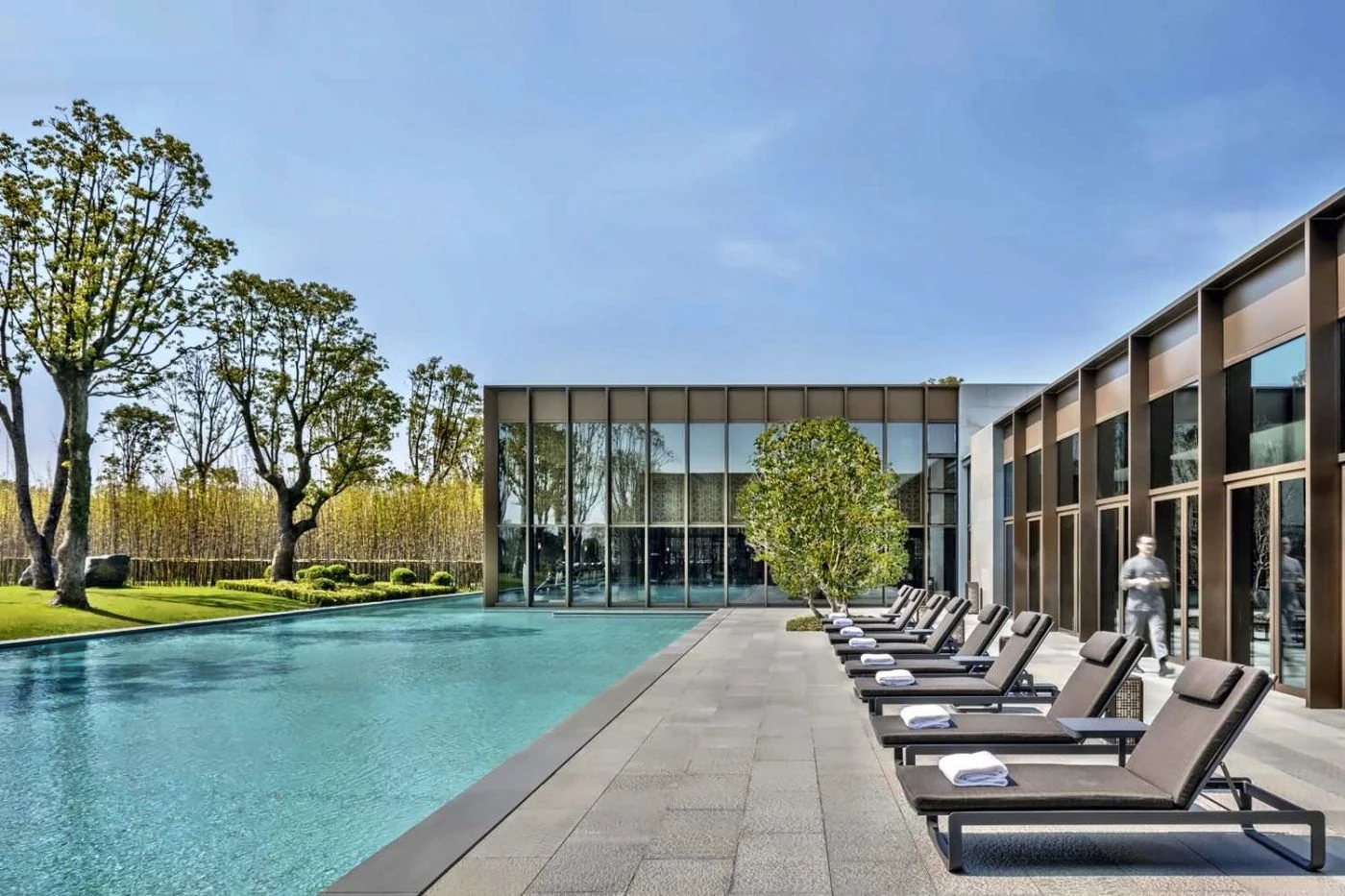
A garden-focused experience or tea by the lake can add another dimension for someone interested in the landscape. The spa offers an indoor alternative. Select the one that appeals; architecture, a cultural session and an unhurried afternoon already form a complete day.
The contemporary and historic parts of the property also reward returning at different times. A courtyard that was part of an architectural explanation can become the place where your party reads or gathers before dinner. Three nights give those spaces a use beyond the first photograph.
One outing: Shanghai or Zhujiajiao
For a first Shanghai visit, dedicate part of the second full day to the city. The Bund and a selected part of the Former French Concession can form a coherent private outing. A particular museum or restaurant should determine the route when it is a main interest.
Travelers who have already spent several nights downtown may prefer Zhujiajiao, the canal town for which Aman arranges excursions. Give it the off-property day in place of central Shanghai. Trying to combine both would turn the resort into a point of departure for a long driving circuit.
Dinner is the useful decision to make in advance. A restaurant in Shanghai means a later return and a day organized around the city; dining at Amanyangyun brings you back while there is still time to enjoy the grounds. Either can work, but they are different uses of the final evening.
Lazhu, Arva and an evening without another journey
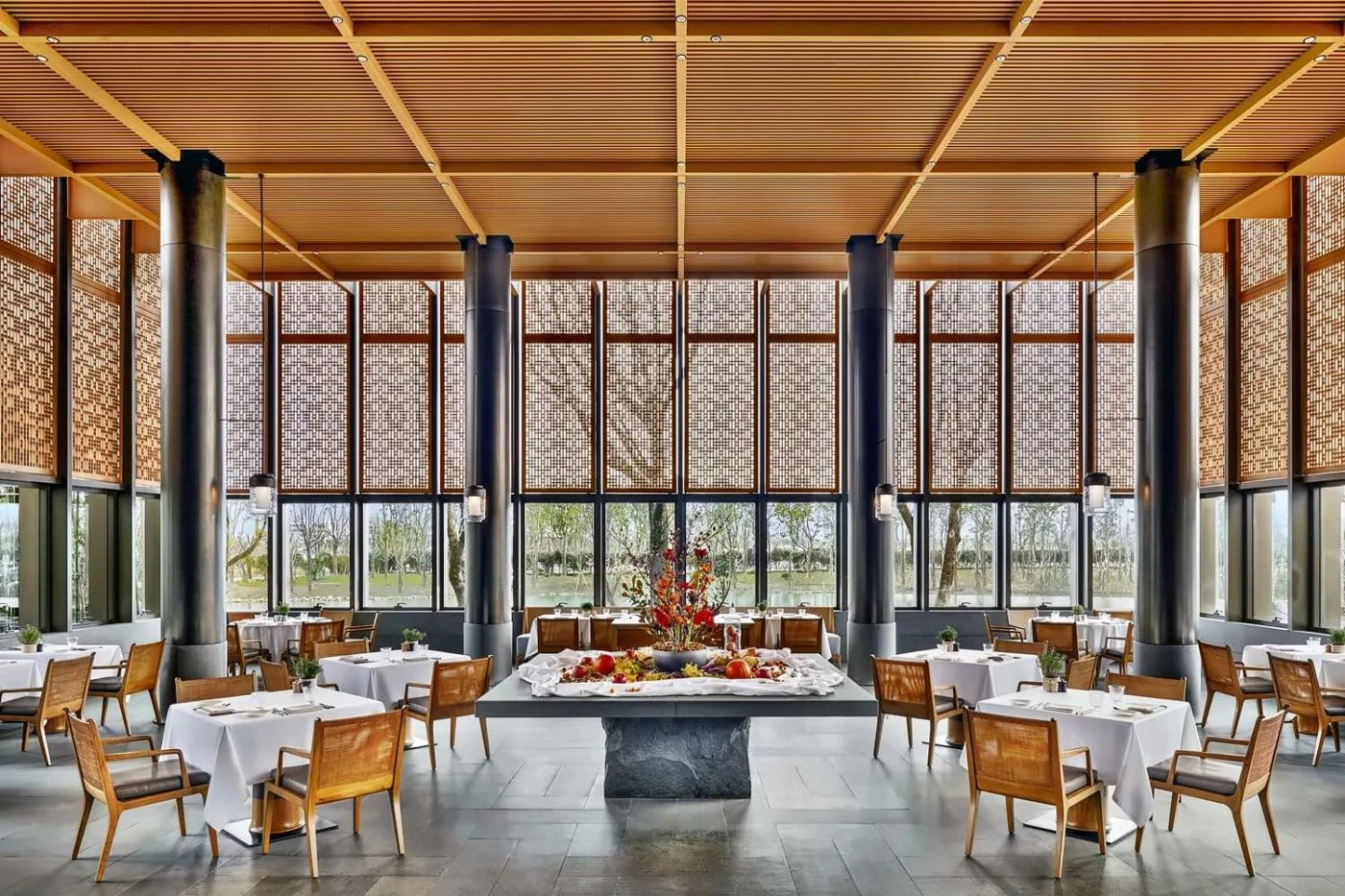
Chinese cooking at Lazhu and Italian food at Arva make several resort dinners appealing without repetition. Tea and lounge settings add a lighter option between them. We arrange the meals that matter against the actual restaurant calendar, with other meals remaining easy to choose during the stay.
Breakfast and any cultural inclusions in a resort package are distinct from additional hotel privileges on an eligible PrivateUpgrades rate. The reservation sets out both. A full villa, a private pool and the bedroom configuration are secured in the accommodation itself.
Amanyangyun is most persuasive after a few days in Shanghai, when you have time to be curious about the restored houses and what happens inside them. For a journey devoted entirely to city restaurants and museums, stay centrally. Add these three nights when architecture and Chinese cultural traditions deserve a chapter of their own.