A closer look at Six Senses Vana, where a sleep-focused stay begins with the shape of the day, not the thread count.
At Six Senses Vana, putting on a kurta and leaving the phone in your room are part of entering the retreat’s daily life. There are consultations and treatments, but also afternoon tea, music and time when little is asked of you. The change begins well before bedtime.
That makes Vana in Dehradun a revealing place to consider a sleep retreat. Its named Sleep program belongs to a dedicated wellness setting, not a pillow menu attached to a conventional hotel. For travelers who want guidance as well as rest, the distinction matters. For those who simply want a quiet room and a few days away, a less structured country or coastal hotel may be the better choice.
A sleep retreat is more than a better mattress
The important distinction is personal attention. A restful hotel provides the setting; a structured retreat adds consultations and a program shaped around the guest. At Vana, the arrival consultation informs the sessions that follow. That is a more substantial commitment than adding a massage and a pillow choice to a weekend away.
| Type of stay | What to look for |
|---|---|
| A restful hotel break | A suitable room, quiet surroundings, flexible meals and enough unscheduled time. |
| A structured sleep retreat | A clear program, named consultations, relevant sessions and a plan for the days after departure. |
| Care for a sleep disorder | Assessment and appropriate treatment from a qualified healthcare professional, not an assumed hotel benefit. |
Be equally clear about what a retreat cannot promise. Persistent sleep difficulties, gasping or pauses in breathing during sleep deserve medical attention. A wellness holiday should not delay assessment or replace treatment for insomnia, sleep apnea or another condition. A hotel consultation and a sleep tracker are not, by themselves, a medical diagnosis.
A retreat is worth choosing for a daily routine you would welcome, not a promised number of hours asleep. The setting, the people leading the sessions and the freedom between appointments all deserve a place in that decision.
Six Senses Vana: a stay organized around well-being
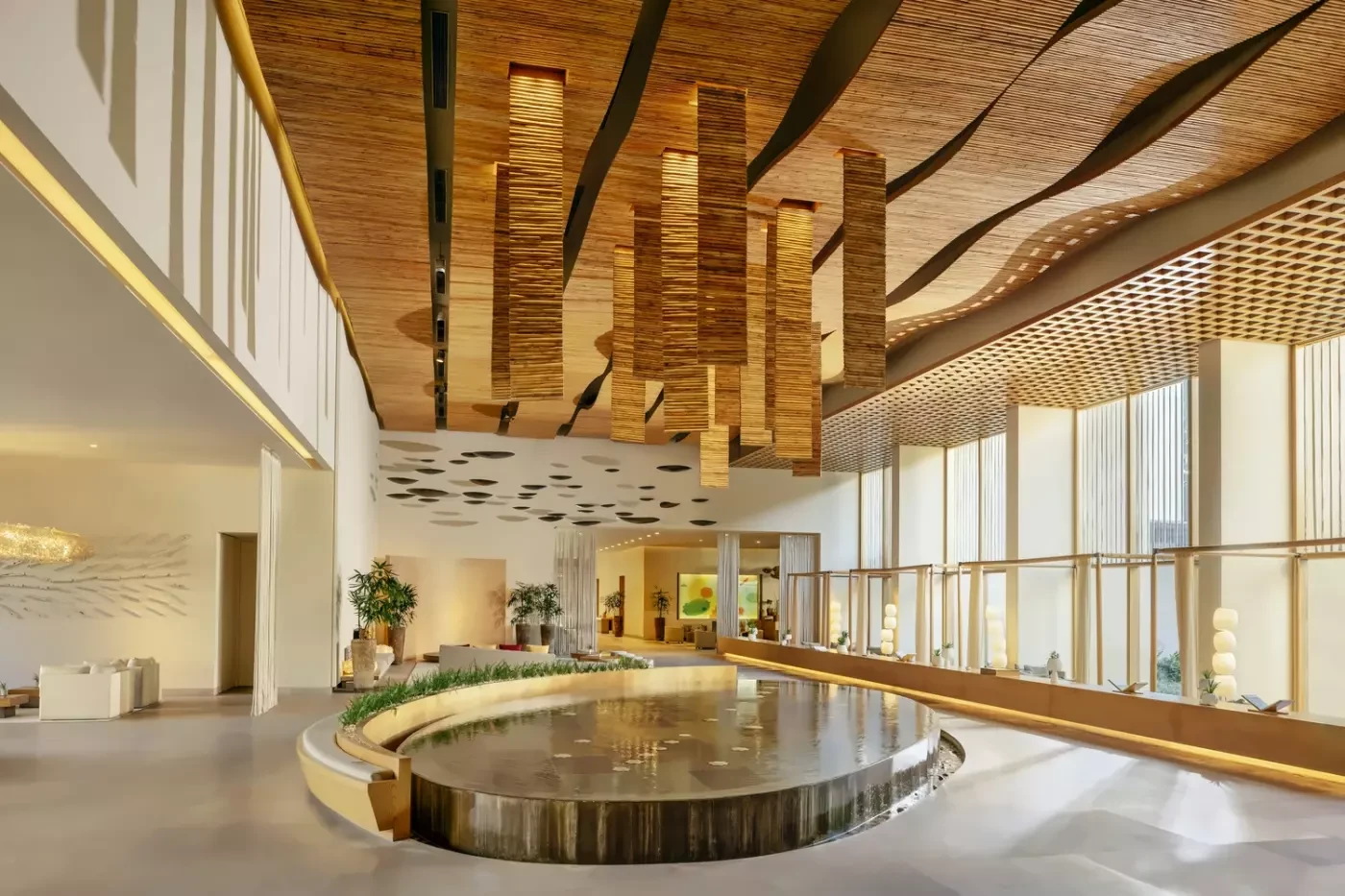
Vana’s contemporary buildings and green setting create a different atmosphere from a grand spa hotel. The retreat is in Dehradun, near the Himalayan foothills, but the purpose is not to collect mountain excursions. Meals, consultations, treatments and time in the grounds give the stay its structure.

Vana lists a five-night minimum for Sleep. Its published program includes two nights of sleep tracking with analysis, yoga nidra, massage and evening drinks intended to accompany the bedtime routine. The tracker offers material for a conversation about sleep patterns; it is not a diagnosis, and the retreat cannot promise a particular result.
Full-board accommodation, nutrition guidance, wellness consultations and screening, daily treatments and group activities already form part of a Vana stay. Sleep gives that wider retreat a specific focus. The useful comparison is therefore with Vana’s underlying retreat, not with an ordinary room rate at a hotel offering an optional spa package.
Vana provides and launders the kurtas worn in most shared spaces. Device use is confined to rooms and Sketchbook, with photography limited to your room. Consider that routine carefully if frequent work calls will be part of the trip.
Choose the bedroom for the night you want
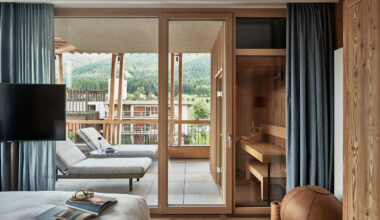
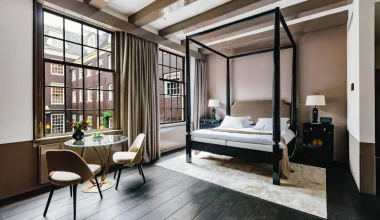
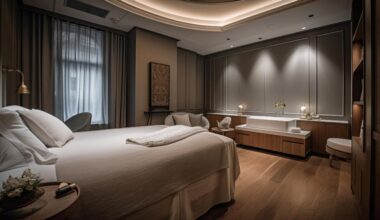
The room still matters. At Vana, pale interiors, broad windows and rooms facing gardens or forest keep the emphasis on the surroundings. A larger suite may offer useful sitting space during a longer retreat, but square footage alone will not answer a light sleeper’s concerns.
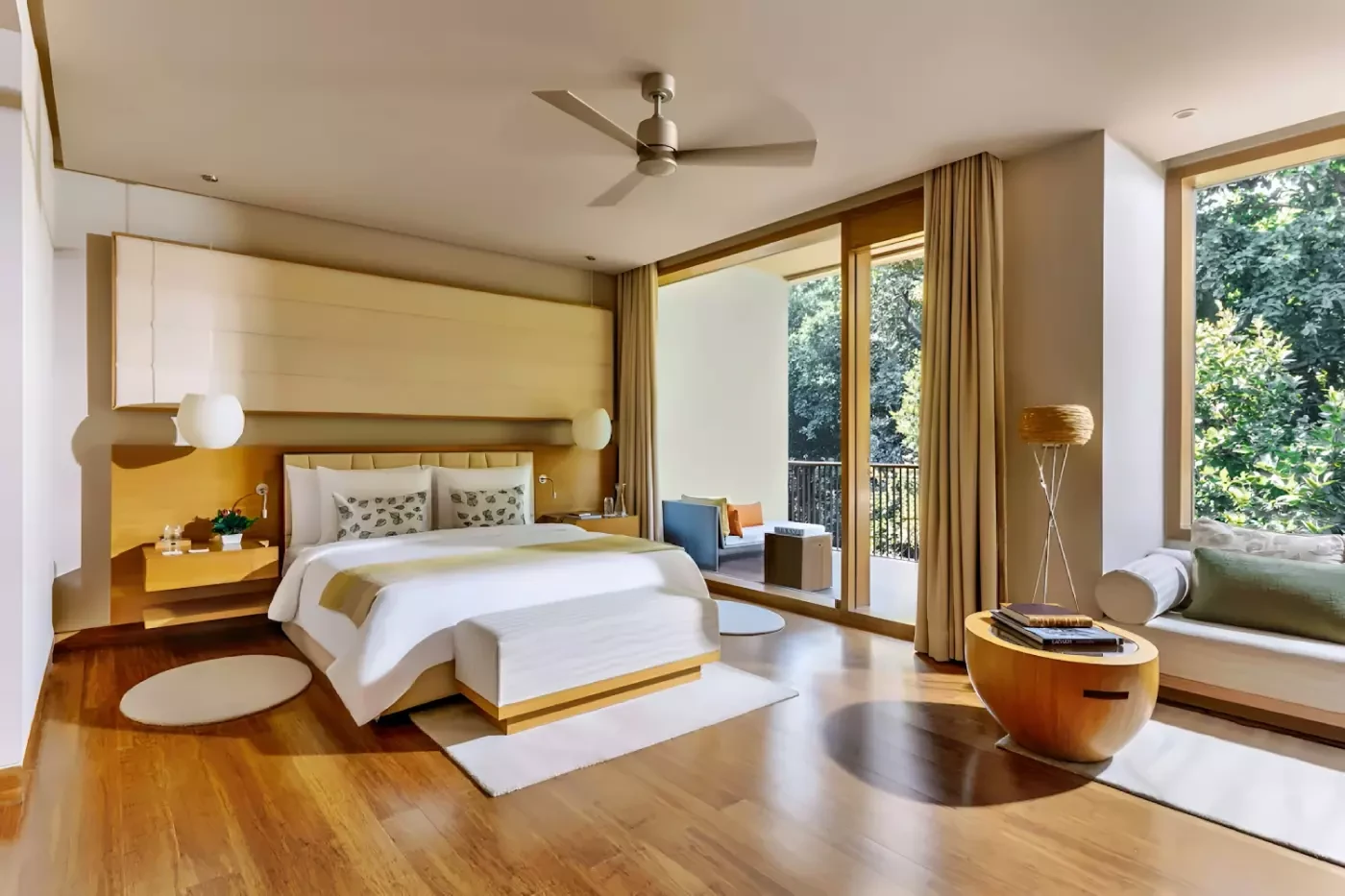
For a light sleeper, location within the building can matter more than additional space. Distance from lifts and shared areas belongs in the room selection, alongside outlook and bedding. No room category guarantees silence. For a couple keeping different hours, a genuinely separate living room is a more useful upgrade than a larger open-plan bedroom.
Meals, music and the hours between appointments
At Vana, three meals and afternoon tea give the day some fixed points, while personal sessions and shared activities fill only part of the available time. This is an opportunity to enjoy the hotel without treating every empty hour as a booking to be made.
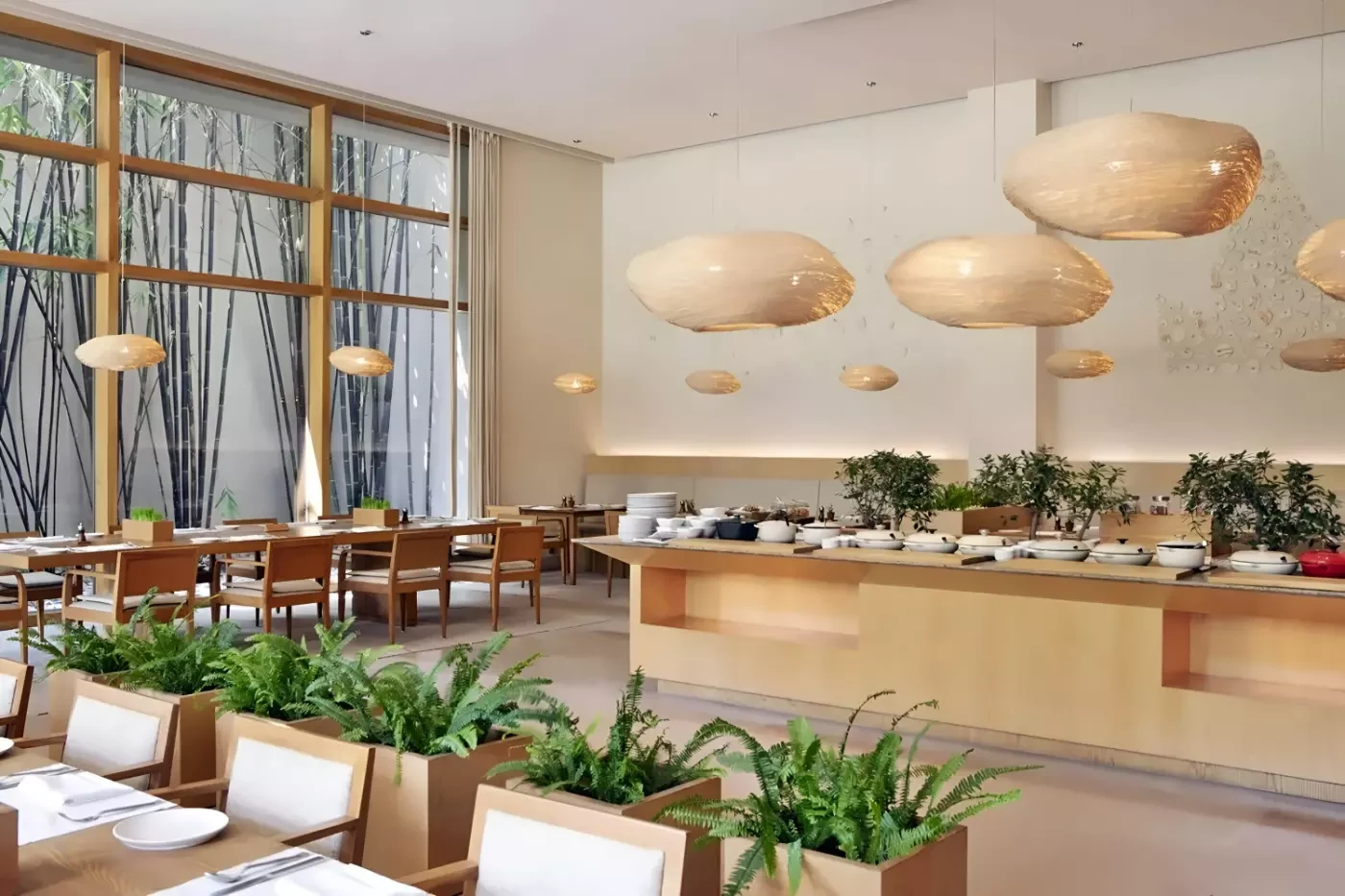
Daily music and quiet hours give Vana a rhythm beyond appointments. Pujas held during the month are optional. You can take an interest without turning every part of the retreat’s life into something to complete.
A workable day leaves space around its appointments: breakfast, a personal session, lunch, then an unhurried afternoon rather than consecutive treatments. Tea and an optional group activity can lead into dinner and a quieter evening. This is a suggested pace, not Vana’s fixed timetable; consultations shape each guest’s program. Nor is this a fasting retreat: meals remain a proper part of the day.
Shared dining tables offer company to solo travelers. Couples should consider a different question: how much of the day they want to share when individual programs may take them in separate directions.
Read the program as carefully as the room rate
PrivateUpgrades brings the room, five-night program and transfers into one proposal, separating the retreat inclusions from optional additions. Room-position preferences and the arrival schedule belong in that planning, not in a series of calls the guest must make after booking.

Clinical and personal information follows a different route. Vana’s wellness team handles the health consultation and explains any assessment or tracking consent directly to the guest. More treatment appointments are not automatically better; enough time to absorb the experience is part of a well-chosen retreat.
Leave the medical details to the right people. Tell the retreat’s qualified team about existing treatment and discuss proposed changes with your own clinician where appropriate. A Travel Designer can coordinate the stay, but should not choose therapies or decide whether a program is medically suitable for you.
Give the journey and the return some breathing space
Five nights at a retreat does not mean five nights away from home. Consider the complete journey, including the arrival time and onward transfer. A late arrival followed by a packed first morning can work against the kind of break you intended to take.
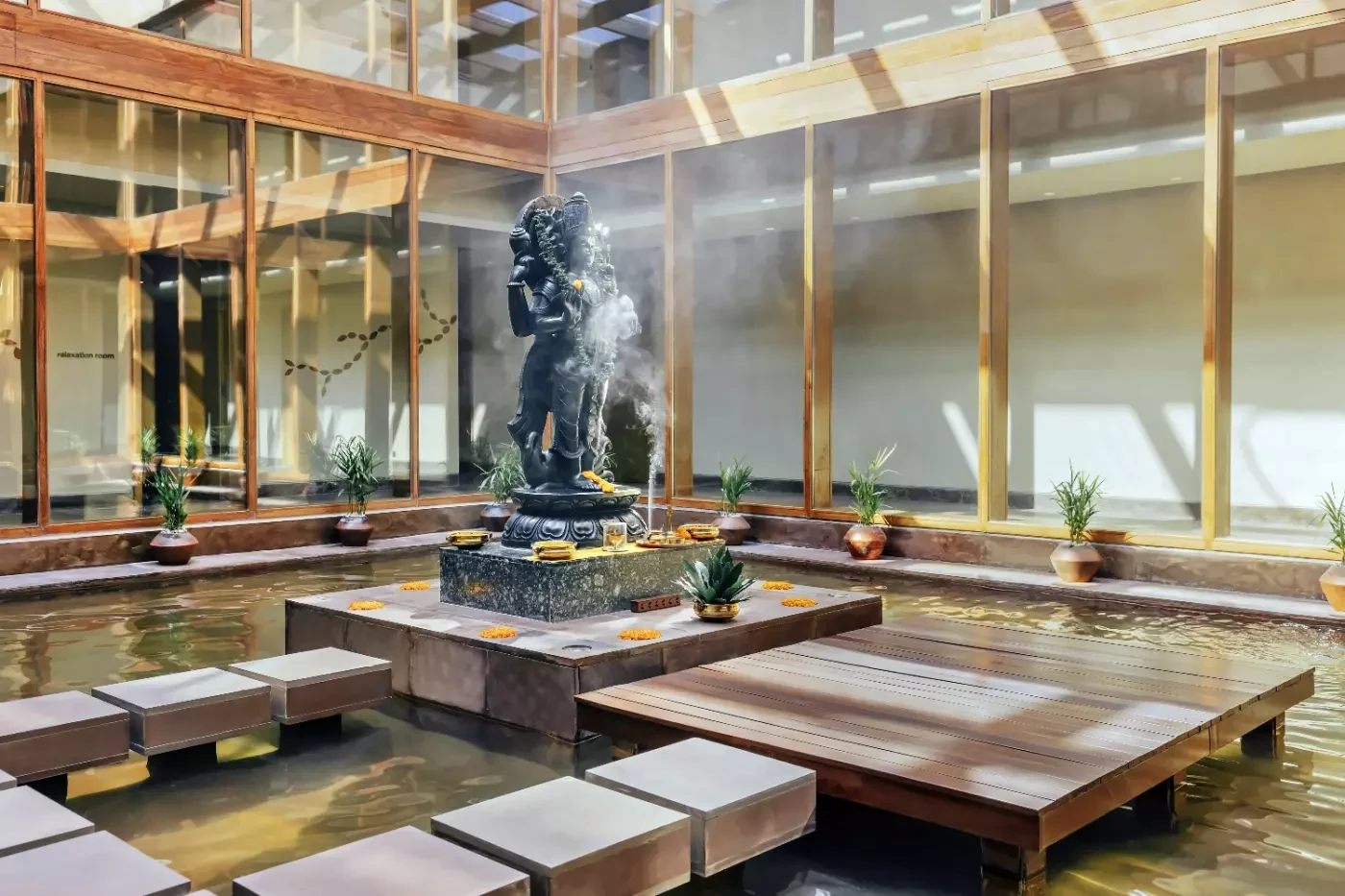
For a long-haul trip to India, keep the first afternoon light. If your available time is very short, a simpler journey and a quiet hotel closer to home may be the more satisfying choice.
Vana provides personalized advice at the end of the stay. Its value lies in what can fit into real evenings, family life and work, beyond the protected days of a retreat. Meals given proper time, less attention to a screen and an evening that does not need to be filled may prove more enduring than any single night’s sleep.