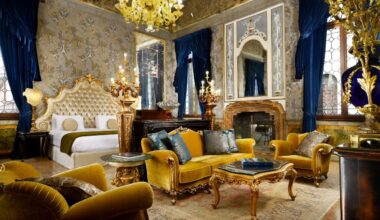
The most luxurious time to travel is not always the most famous season. A quiet luxury season can give travelers better light, calmer restaurants, easier upgrades, more attentive service and a destination that feels less performed.
This guide is not about bargain travel. It is about timing. For PrivateUpgrades travelers, the smartest question is often not “Where should I go?” but “When does this place feel most like itself, before the crowds or after the peak?”
Table of Contents
Key Takeaways
- The idea means traveling just outside the obvious peak, without sacrificing weather, service or atmosphere.
- The best timing can improve privacy, restaurant access, room-category value and the emotional quality of the stay.
- This is not low season for its own sake. It is a precision-timing strategy for high-end travel.
- PrivateUpgrades benefits can matter more in these periods because hotels often have more flexibility to recognize guests well.
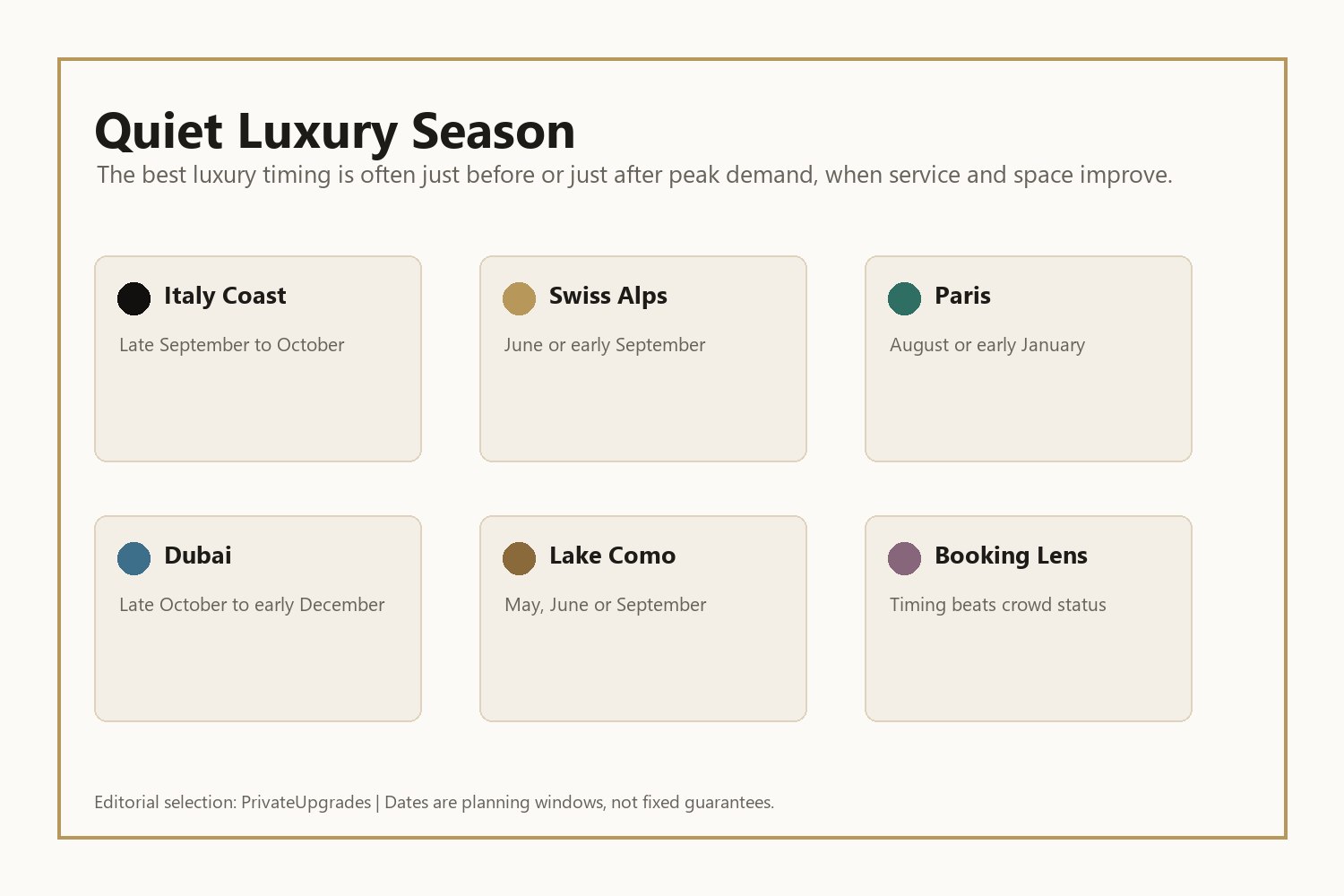
| Trip Style | Best Timing | Best PrivateUpgrades Angle |
|---|---|---|
| Amalfi / Sicily without peak pressure | Late September to October | Italy luxury hotels |
| Swiss Alps without ski-season intensity | June or early September | Swiss luxury hotels |
| Paris with softer rhythm | August weekends or early January | Paris luxury hotels |
| Dubai with better outdoor balance | Late October to early December | Dubai luxury hotels |
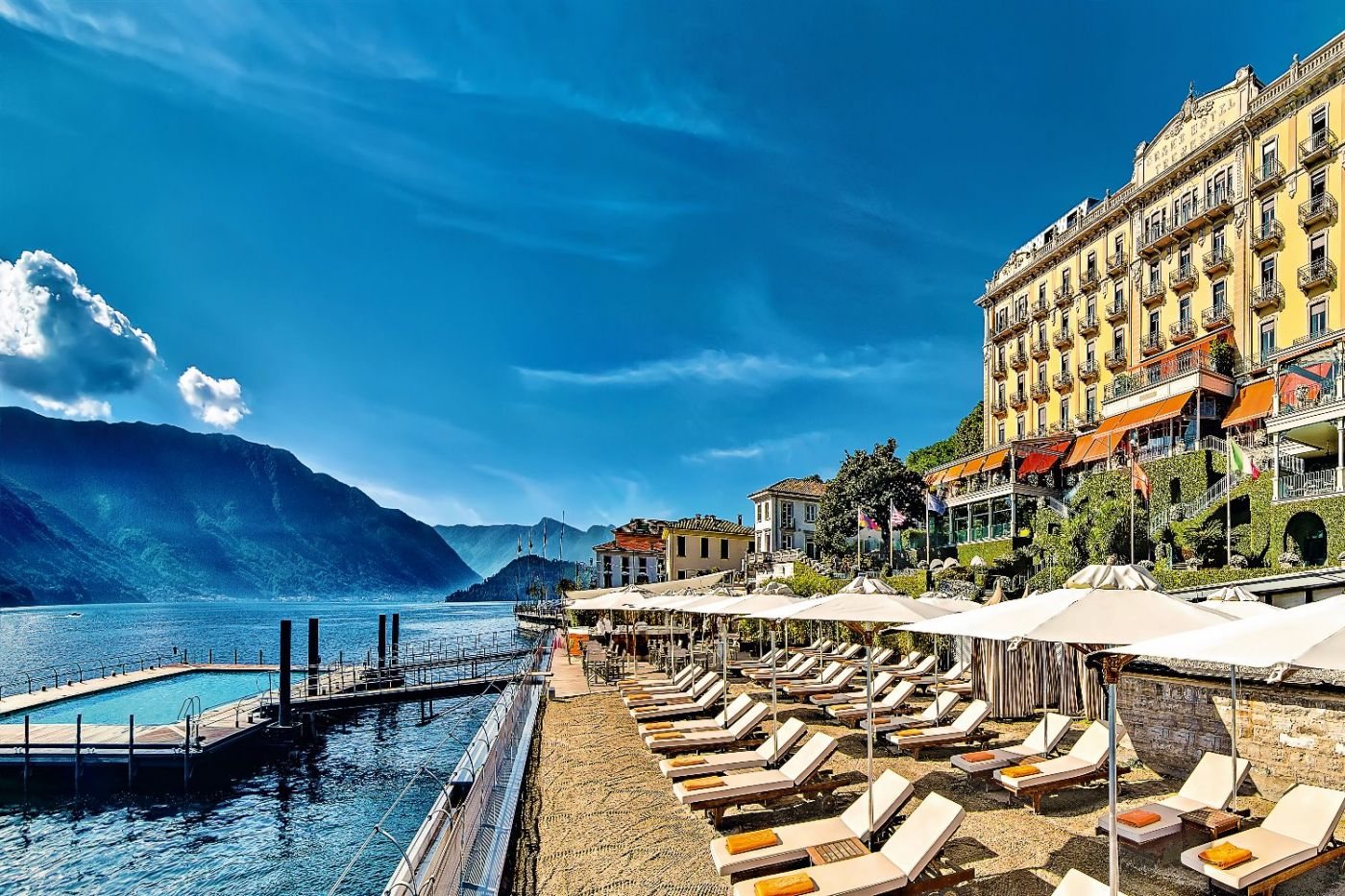
| Lake Como with more space | May, June or September | Grand Hotel Tremezzo |
Planning A Better-Timed Trip
Use PrivateUpgrades to compare luxury hotel promotions, VIP benefits and destination timing before choosing dates. Breakfast, hotel credits, upgrade opportunities, early check-in, late check-out and recognition can be especially valuable when the hotel has more room to breathe.
What The Concept Really Means
Quiet luxury season is the point where a destination still has beauty, service depth and enough energy, but less pressure. The beach club may be calmer. The museum queue may be shorter. The hotel team may have more time. The best terrace table may be possible without planning every hour of the day.
For luxury travelers, this can be more valuable than chasing the single most famous week of the year. Peak season often gives status. Shoulder timing often gives intimacy.
Italy: Amalfi, Sicily And Lake Como After The Rush
Italy is one of the clearest examples. July and August can be beautiful, but they can also be hot, crowded and tightly booked. Late September and October can feel more adult: warmer sea in parts of the south, softer light, calmer roads and a better chance that restaurants feel local again.
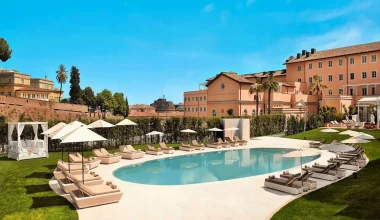
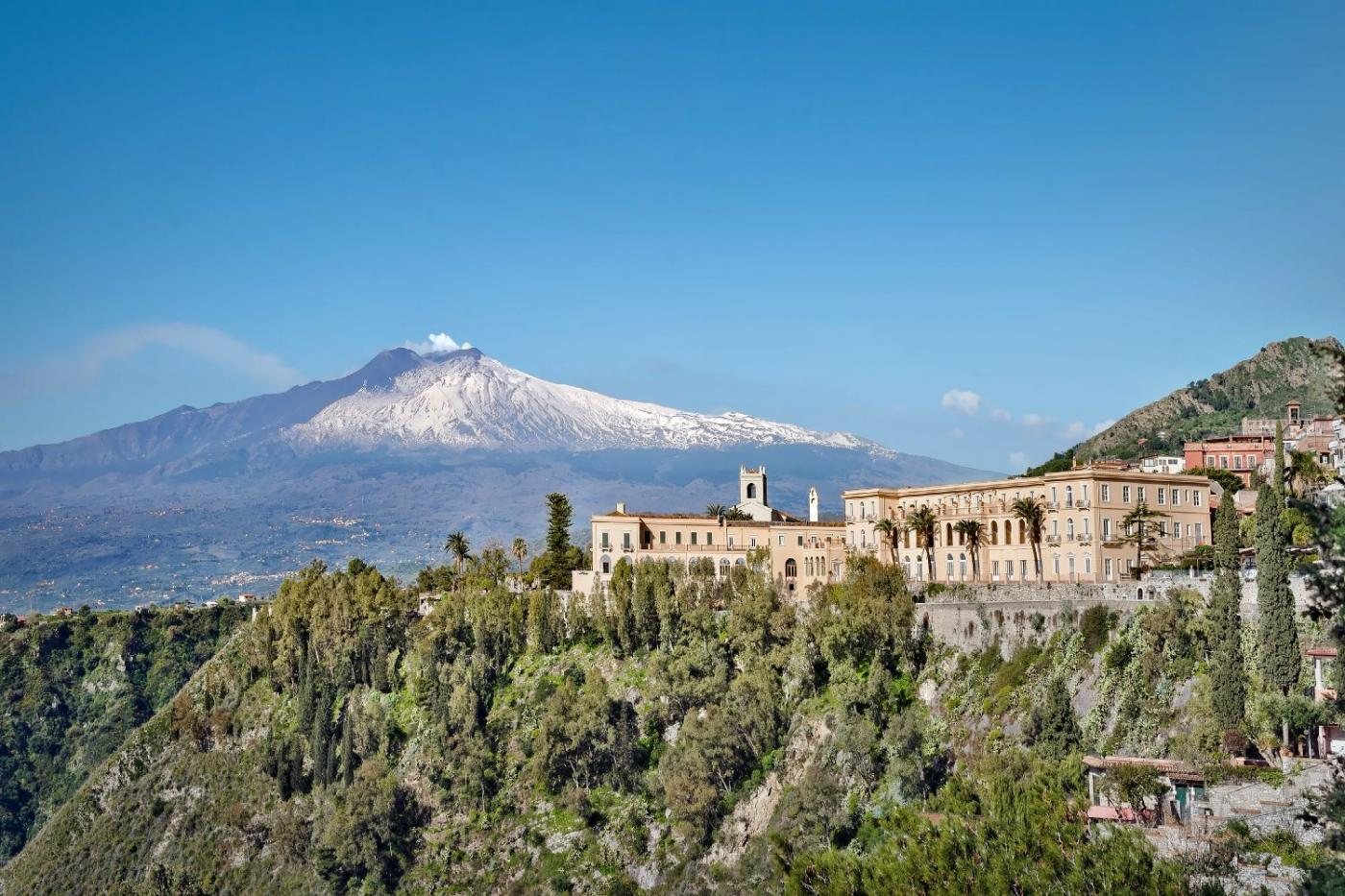
In Sicily, a hotel such as San Domenico Palace, Taormina can feel more cinematic when the day has space around it. On Lake Como, Grand Hotel Tremezzo is often strongest when the lake has atmosphere without full summer compression.
Compare Italy Hotels With VIP Benefits
Swiss Alps: Early Summer And September
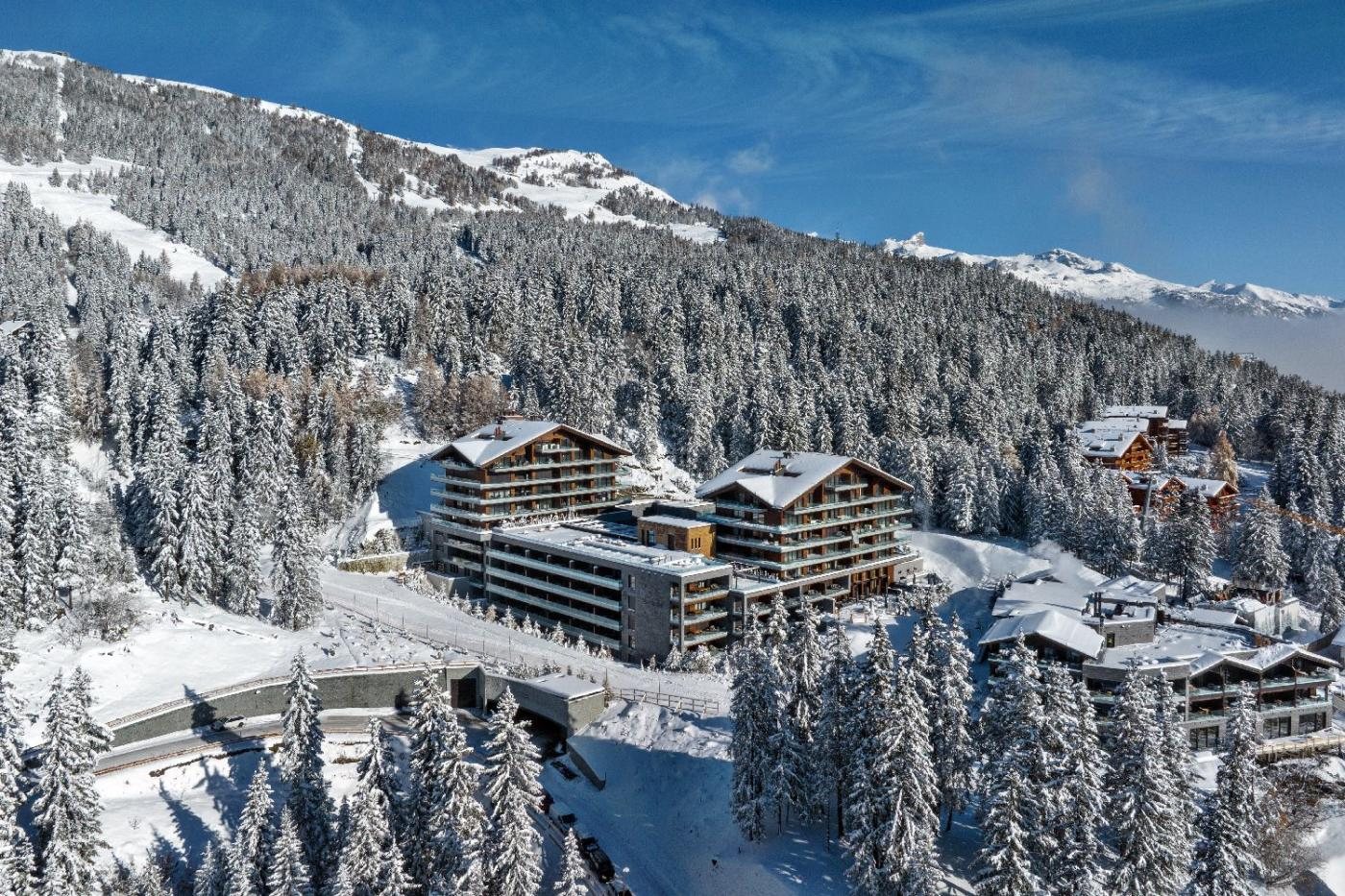
The Swiss Alps are not only a ski story. June and early September can be extraordinary for travelers who want trails, spa time, mountain restaurants and a quieter version of alpine luxury. The hotels feel less transactional than in the busiest winter periods.
In Crans-Montana, Six Senses Crans-Montana works well for travelers who want wellness, mountain air and a more restorative pace. The Alps can become a place to recover, not only a place to perform.
Compare Switzerland Hotels With VIP Benefits
Paris: When The City Softens
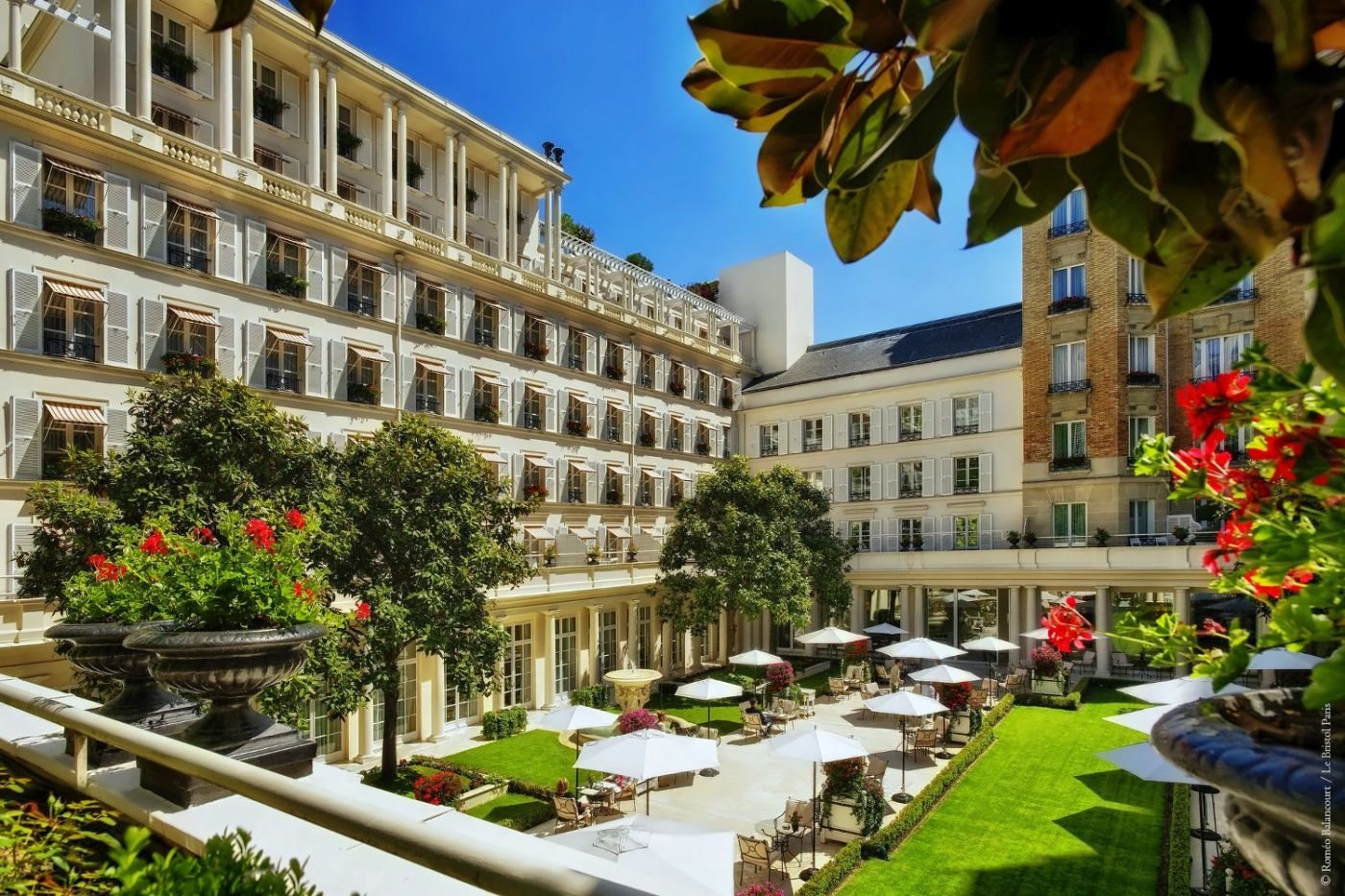
Paris is often considered an always-on destination, but timing still changes the stay. Certain August periods and early January can be surprisingly pleasant for travelers who know exactly what they want: Palace hotels, long lunches, museums, shopping and quieter mornings.
Le Bristol Paris and Royal Monceau represent two different Paris moods: classic Palace calm and more contemporary cultural energy. Both can benefit from dates when the city is less compressed.
Compare Paris Hotels With VIP Benefits
Dubai: The Rebound Season
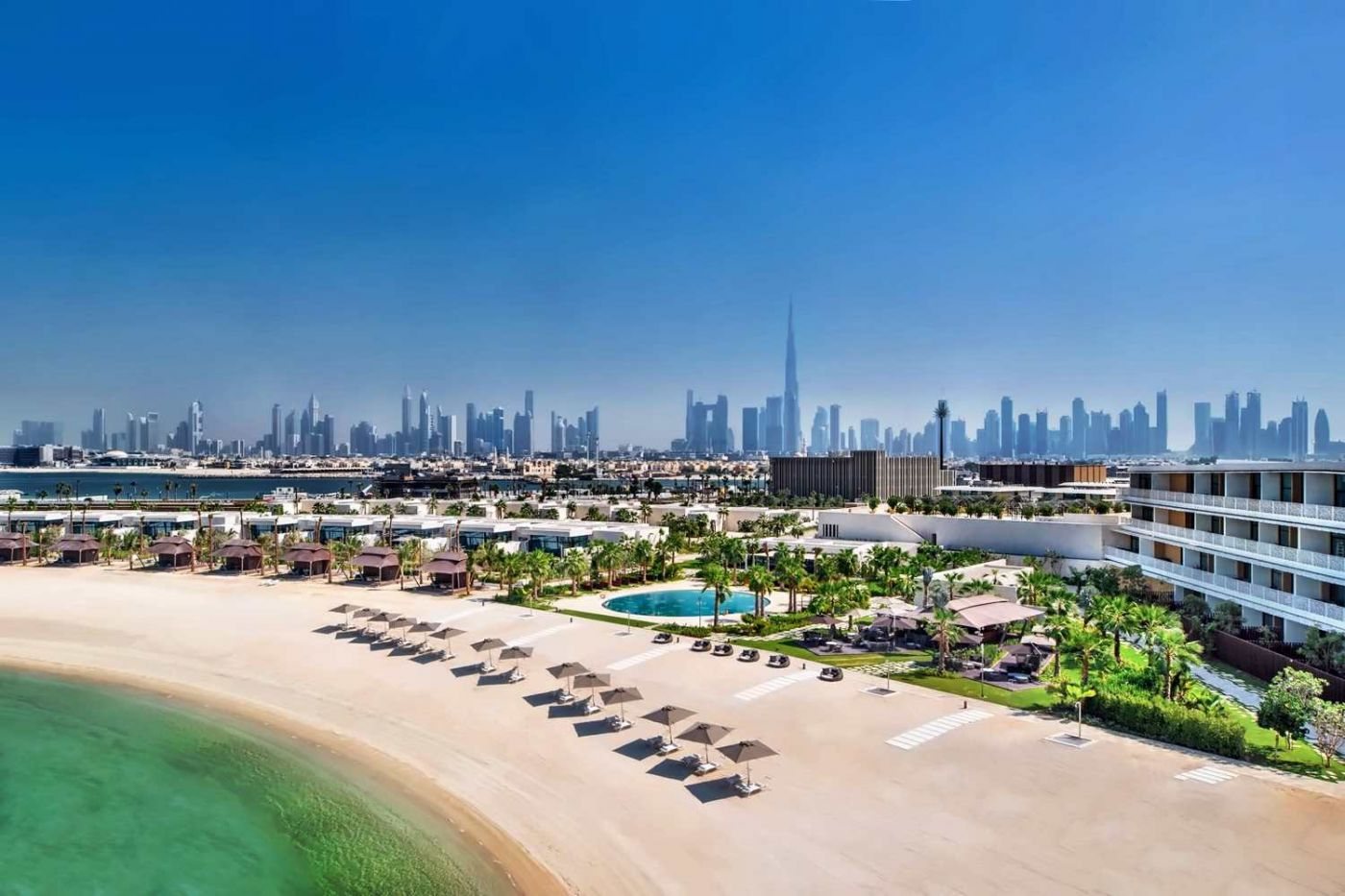
Dubai becomes much more compelling when outdoor life returns. Late October through early December can be one of the smartest windows: beach clubs feel alive, dinners move outside, and the city has more glamour without the harshest summer heat.
For a polished resort stay, Bvlgari Resort Dubai is useful because the setting supports the city-and-sea rhythm. The right dates make the difference between a hotel stay and a proper Dubai weekend.
Compare Dubai Hotels With VIP Benefits
How To Choose The Right Quiet Season
If you want privacy
Choose dates just after peak, when service remains strong but the destination breathes.
If you want better dining
Avoid the weeks when every restaurant and beach club is operating at maximum pressure.
If you want wellness
Choose mountains, thermal hotels or city wellness bases in periods built around recovery.
If you want social energy
Do not go too late. Choose shoulder weeks that still have restaurants, events and warm evenings.
The Booking Lens: Why Timing Can Beat Status
Peak season has its own glamour, but it also carries friction. Restaurants are harder to book, service teams are stretched, popular viewpoints are crowded and the emotional margin of the trip becomes smaller. Quiet luxury season restores that margin.
This does not mean choosing empty destinations. The goal is to travel when the place still has atmosphere but not pressure. That can make a famous hotel feel more personal. It can also make benefits such as upgrade opportunities, hotel credits, early check-in and late check-out feel more valuable in practice.
PrivateUpgrades travelers should use timing as a strategic layer. First choose the destination, then choose the window, then choose the hotel. Reversing that order can lead to expensive trips in weeks that do not match the traveler’s real mood.
How To Read A Destination Calendar
The best timing is usually found by looking at three signals together: weather, hotel compression and local rhythm. If weather is still strong, hotels are less compressed and restaurants remain open, the destination may be entering its most attractive luxury window.
That is why broad seasonal labels are not enough. May on Lake Como is different from November on Lake Como. Early September in the Alps is different from the dead weeks between summer and winter. Late October in Dubai is different from August. Precision is the luxury.
A Three-Night Quiet Season Stay: How To Plan The Rhythm
The first night should use the destination’s softer pace. Choose one excellent dinner rather than several commitments. A quieter travel window works best when the guest can feel the space immediately.
The second day can carry the signature experience: a boat on Lake Como, a spa day in Switzerland, a long museum morning in Paris, a beach lunch in Dubai or a coastal drive in Sicily. Because the destination is less compressed, the day can be ambitious without feeling crowded.
The final morning is often the proof. Late breakfast, a walk, a relaxed checkout request and one more hour on a terrace can make the trip feel more luxurious than a peak-season stay that looked better on paper.
PrivateUpgrades Booking Notes
A quiet-season hotel should still perform like a true luxury hotel. The editorial idea may bring the traveler to the property, but service, room category, breakfast, housekeeping, arrival handling and benefit recognition decide whether the stay feels successful.
That is where booking through PrivateUpgrades can be useful. The hotel choice becomes more practical: which room category carries the view, which dates give the hotel more flexibility, which benefits are available, and whether the stay is better treated as a two-night city break, a long weekend or a slower resort escape.
The best articles in this series are built for that exact decision. They are not trying to replace a destination guide. They are meant to help a luxury traveler choose the right reason to book, then use PrivateUpgrades to turn that reason into a stronger stay.
The Risk Of Going Too Quiet
Quiet timing has one risk: choosing a week when the destination has lost its rhythm. That is why this guide does not recommend empty off-season travel as a universal luxury strategy. A great quiet-season trip still needs restaurants, service culture, hotel atmosphere and enough local life.
The best window sits between pressure and emptiness. It is the moment when a hotel can breathe but the destination still feels alive.
How Far Ahead To Book
Quiet-season travel still rewards planning. The best suites, connecting rooms and terrace categories can sell early even outside peak weeks. For Europe, a two- to four-month lead time is often sensible. For Dubai or major city weekends, event calendars can change availability quickly.
The practical move is to hold the right hotel first, then refine restaurants, transfers and experiences around it. A good date window loses value if the room category is wrong.
What To Avoid
Quiet season should not mean closed restaurants, poor weather or a destination with no rhythm. The wrong off-season week can feel flat. The right shoulder-season week feels privileged.
That is why the decision should be specific. Amalfi in late October is not the same as Amalfi in January. Swiss Alps in June are not the same as November. Dubai in October is not the same as August. Luxury timing needs precision.
What is quiet luxury season?
Quiet luxury season is the travel window just outside peak demand, when the destination still feels attractive but has more space, better rhythm and less pressure.
Is it the same as low season?
No. Low season can mean closed venues or weak weather. The better version is more precise: enough energy, strong service and less crowding.
Which destinations work best for shoulder-timed luxury trips?
Italy, the Swiss Alps, Paris, Dubai and Lake Como can all work well when timed carefully. The best month depends on whether the traveler wants beach, city, wellness or mountain rhythm.
Can PrivateUpgrades benefits be better in quieter periods?
Benefits are always subject to availability, but quieter periods can sometimes improve the practical value of upgrades, early check-in, late check-out and recognition.
Is this a budget-travel strategy?
No. The goal is not to spend less. The goal is to travel with more space, better atmosphere, stronger service flow and a more private feeling.
Methodology
This guide uses current luxury-travel trend reporting, destination seasonality, PrivateUpgrades hotel and promotion availability, and editorial assessment of where shoulder timing creates a better high-end stay. It treats better timing as a planning method, not a discount strategy.
Plan A Better-Timed Trip
Use PrivateUpgrades to compare hotels, benefits and promotions before fixing dates. The best luxury trip may be the one scheduled two or three weeks away from the obvious answer.