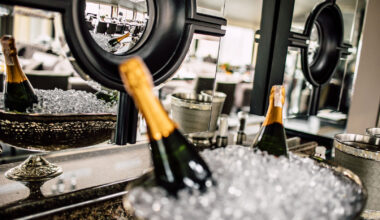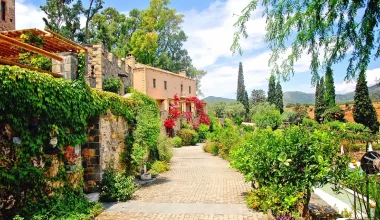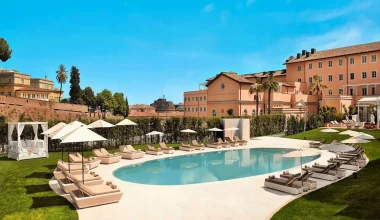
The best museum-quality art hotels do not treat paintings as decoration. They use art to create a sense of place, social energy and memory. The stay begins to feel curated rather than simply furnished.
Table of Contents
Art Hotels By Collection Type
| Art Hotel Type | What It Feels Like | What To Ask Before Booking |
|---|---|---|
| Museum-quality collection | The hotel feels like a private gallery with serious curatorial intent. | Ask whether private tours or art programming are available. |
| Famous Architect Hotels | The building, interiors and collection work together. | Ask which rooms best express the design story. |
| Local artist focus | The stay connects guests to the destination’s creative scene. | Ask about studio visits, gallery access or rotating exhibitions. |
Key Takeaways
- Art-led hotels work best when the collection is integrated into the guest journey.
- The strongest examples connect art with architecture, neighborhood, dining and service.
- For luxury travelers, art hotels are most useful when they sharpen a city break or give a resort stay more cultural depth.
- PrivateUpgrades links should point to hotels where the art story can become a booking reason.
| Traveler Intent | Best Hotel Angle | PrivateUpgrades Link |
|---|---|---|
| Collector energy | The Fife Arms in Braemar | The Fife Arms |
| Museum district stay | The Silo above Cape Town’s art precinct | The Silo |
| Urban cultural glamour | Royal Monceau near Paris art and fashion | Royal Monceau |
| Resort plus serious art | The Dolder Grand above Zurich | The Dolder Grand |
| Miami art-week mood | Faena Miami Beach | Faena Miami Beach |
Planning An Art-Led Stay
Use PrivateUpgrades to compare luxury hotels with strong cultural value, then check benefits such as breakfast, hotel credits, upgrade opportunities, early check-in, late check-out and VIP recognition where available.
Why Art Hotels Are Becoming More Relevant
Luxury travelers are increasingly sensitive to sameness. A perfect room is no longer enough if the hotel feels interchangeable. Art can solve that problem when it is used with conviction. It gives the stay a cultural point of view.
That does not mean every guest needs to arrive as a collector. A hotel with a serious art programme can simply make the day richer: a sculpture glimpsed before breakfast, a photograph that explains the region, a corridor that feels like a private gallery, or a room that carries a stronger sense of authorship.
The Fife Arms
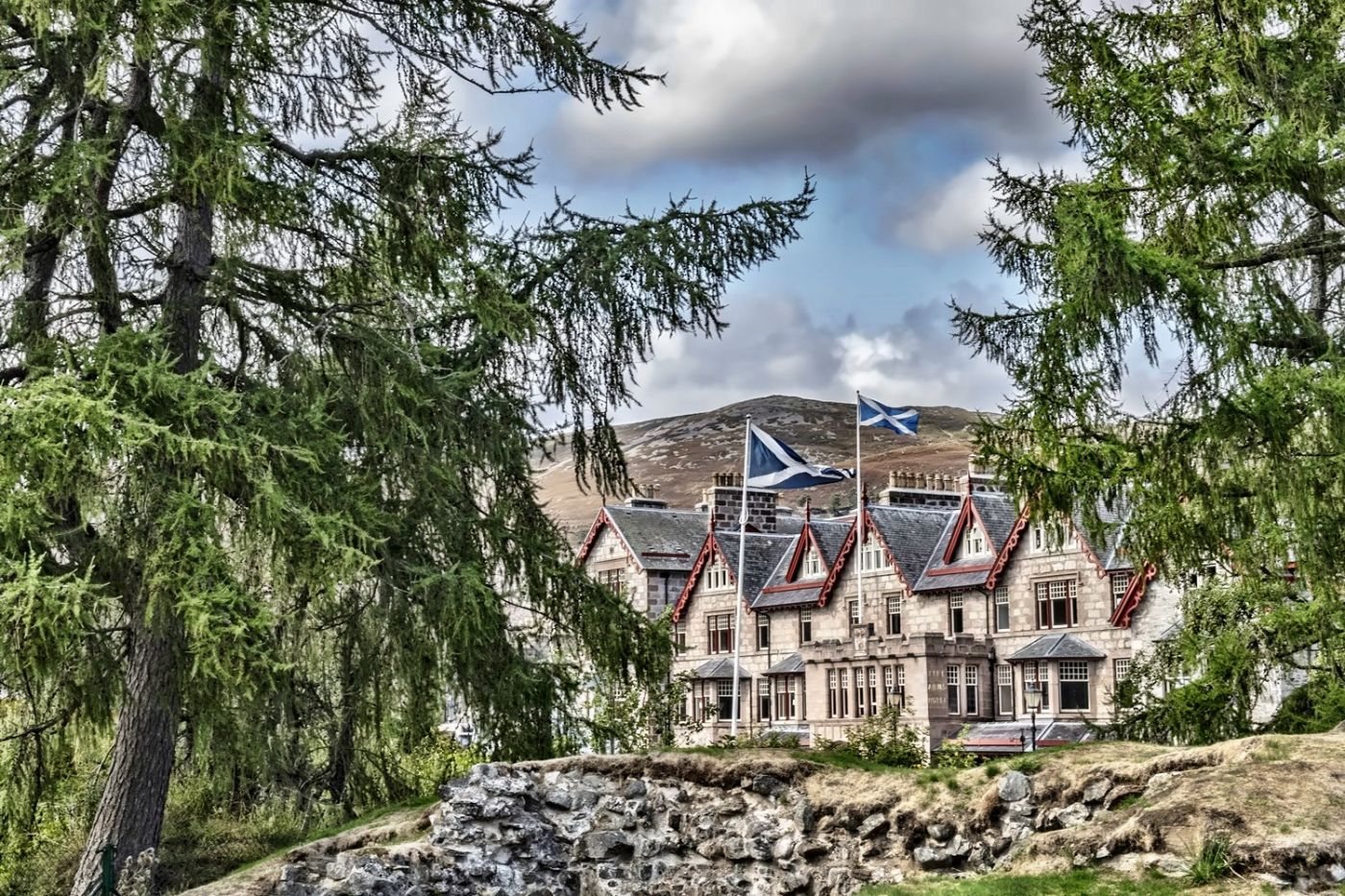
The Fife Arms is one of the best examples of a hotel where the art programme changes the entire stay. In Braemar, the property feels like a collector’s house, a Highland inn and a contemporary cultural address at once.
It is not the kind of art hotel where a few works hang behind reception. The rooms, corridors, dining rooms and public spaces build a layered visual world, with Scottish craft and contemporary collecting held together by a strong editorial hand.
Book The Fife Arms With VIP Benefits
The Silo Cape Town
The Silo has a natural art-hotel advantage because it sits above the Zeitz MOCAA precinct. The building’s industrial shell, bold windows and cultural address make the stay feel connected to Cape Town’s contemporary art scene.
For luxury travelers, this is a strong choice when a trip should combine design, restaurants, waterfront energy and museum time without spreading the itinerary too thin.
Book The Silo With VIP Benefits
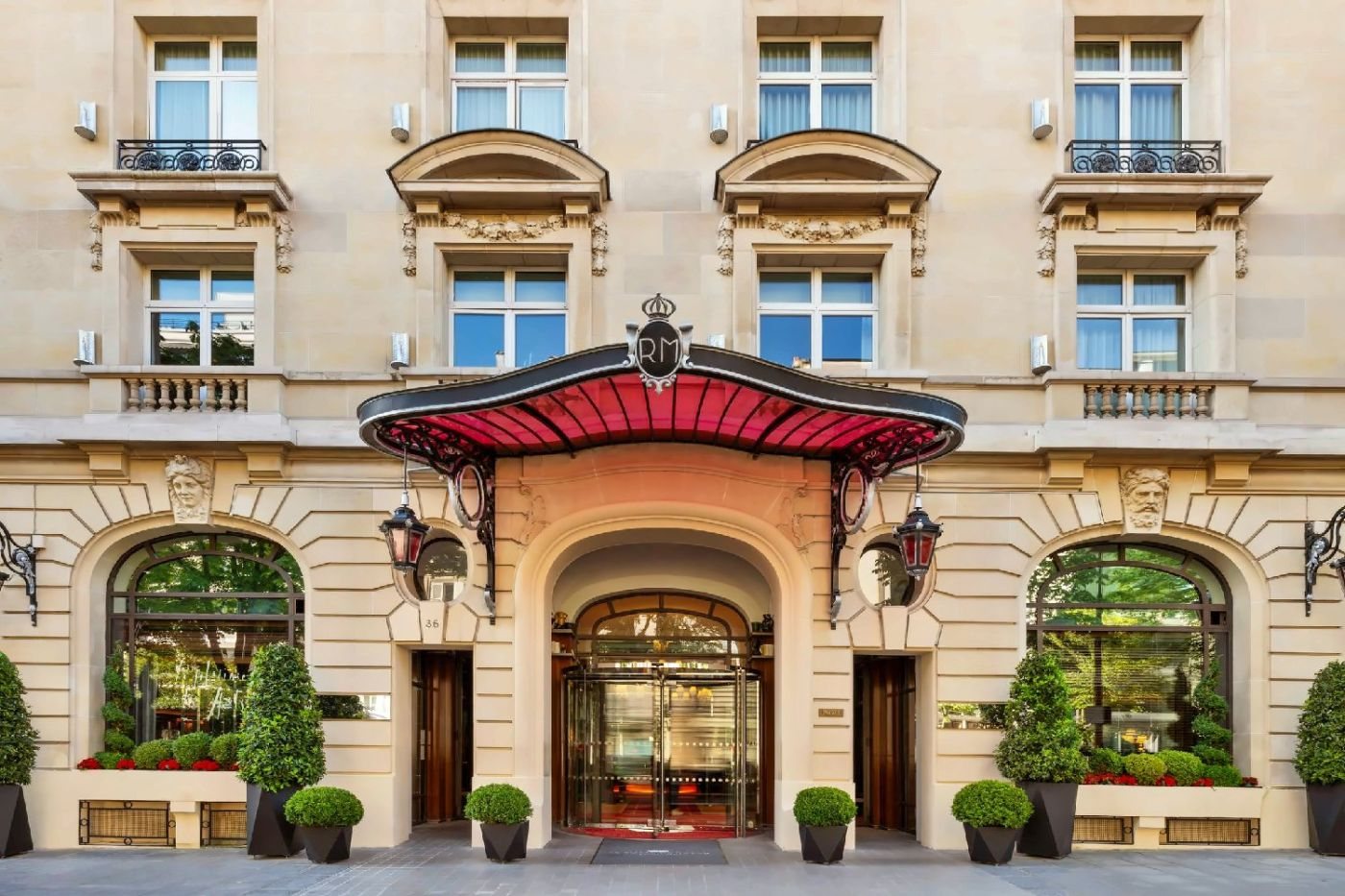
Royal Monceau – Raffles Paris
Royal Monceau gives hotels in Paris a more contemporary art-hotel mood. It works for travelers who want the city to feel glamorous, cultural and social rather than purely historic.
The strongest reason to stay here is the way art, film, design, dining and location come together. It is close to the Arc de Triomphe and luxury shopping, but the hotel feels less ceremonial than the classic Palace icons.
Book Royal Monceau With VIP Benefits
The Dolder Grand
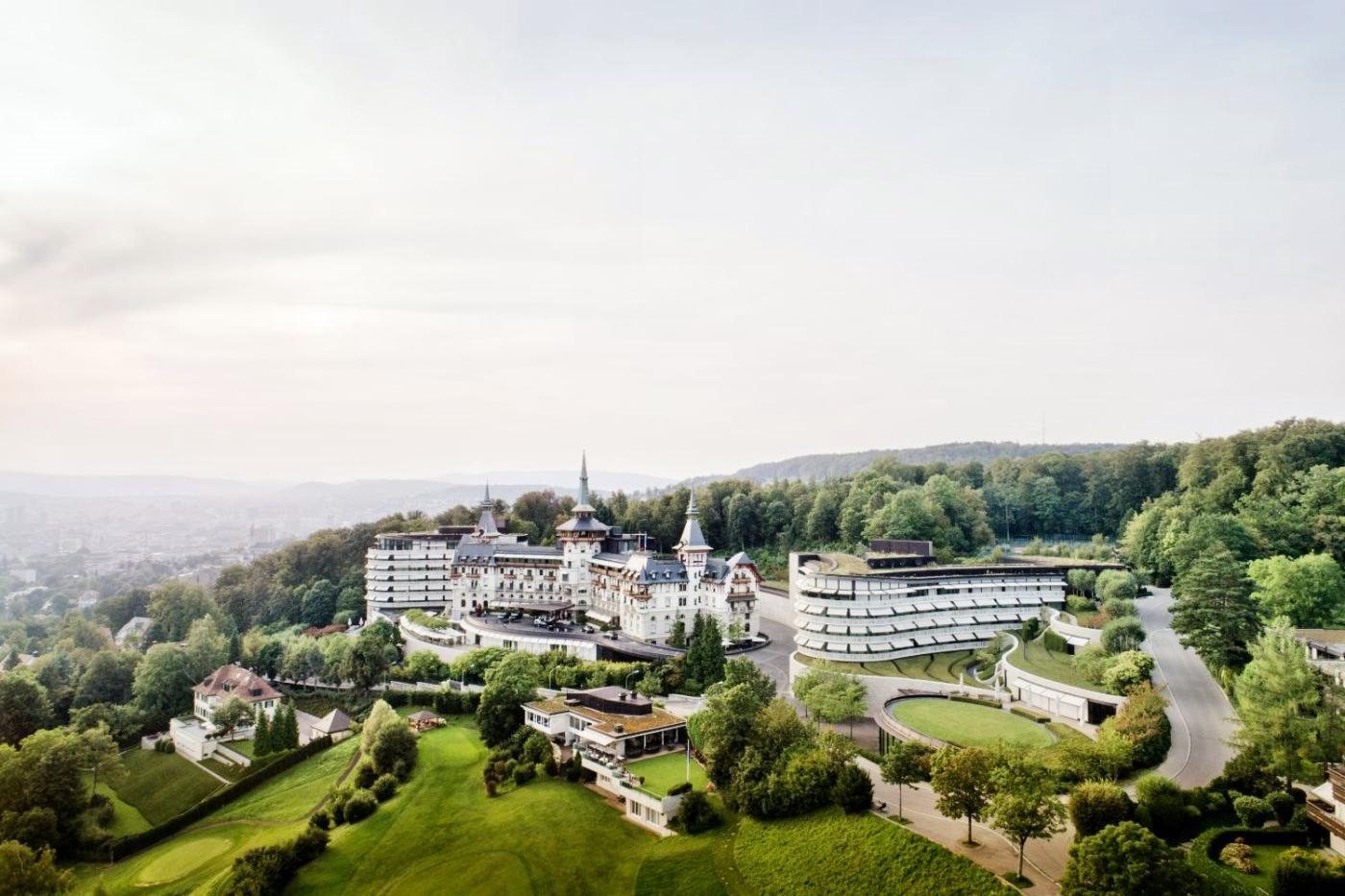
The Dolder Grand is a serious art address wrapped in a hillside resort. The collection gives the public spaces a stronger sense of discovery, while the spa and view over Zurich keep the stay grounded in rest.
It is ideal for travelers who like art, but do not want the trip to become a museum marathon. The art appears naturally between breakfast, spa time, dinner and the city below.
Book The Dolder Grand With VIP Benefits
Faena Hotel Miami Beach
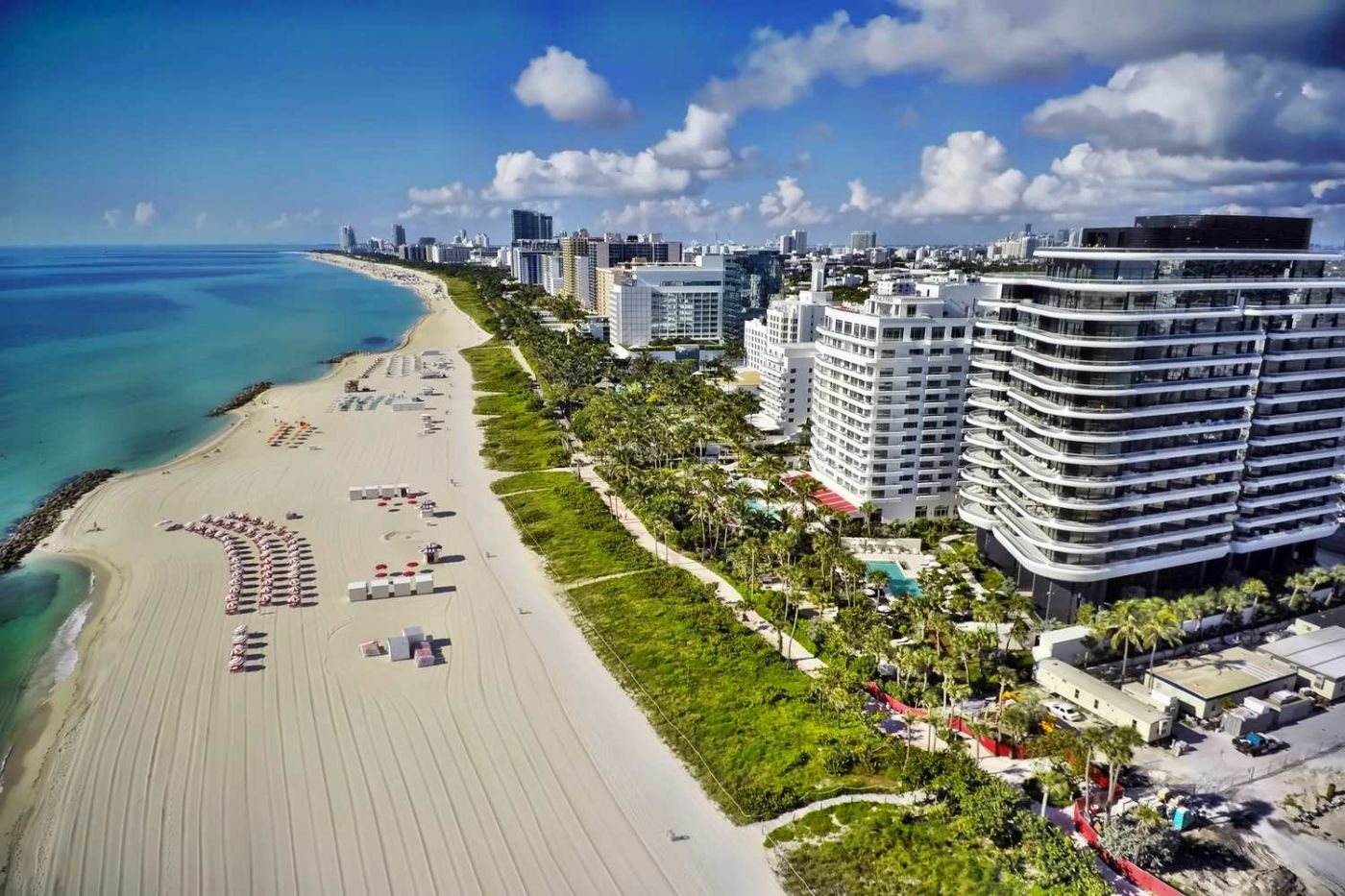
Faena Miami Beach is theatrical, colorful and deliberately expressive. It is not quiet-luxury minimalism. It is a hotel for travelers who want art, performance, beach, restaurants and social energy to overlap.
That makes it especially relevant around Miami’s cultural calendar. The hotel works when the stay should feel cinematic and extroverted rather than purely private.
Book Faena Miami Beach With VIP Benefits
The Peninsula Hong Kong
The Peninsula Hong Kong brings a more polished version of cultural hospitality. Its heritage, city position and art initiatives make it an elegant choice for travelers who prefer refinement to spectacle.
It is strongest when Hong Kong should feel classic but not static: afternoon tea, harbor views, gallery time, dining and a sense of old-meets-new city culture.
Book The Peninsula Hong Kong With VIP Benefits
How To Choose The Right Art Hotel
If you want collection depth
Choose The Fife Arms or The Dolder Grand. They reward slow looking and repeated movement through the building.
If you want museum proximity
Choose The Silo. The hotel is physically connected to Cape Town’s contemporary art identity.
If you want city glamour
Choose Royal Monceau or The Peninsula Hong Kong. Both work well for culture-rich city breaks.
If you want art as theatre
Choose Faena Miami Beach. It is bold, social and best suited to travelers who like visual drama.
The Booking Lens: When An Art Hotel Is Worth It
An art hotel is worth choosing when the collection deepens the destination. In Scotland, that might mean craft, landscape and contemporary collecting. In Cape Town, it might mean a stronger relationship with the city’s museum life. In Paris, it might mean a hotel that makes the stay feel connected to galleries, fashion, cinema and design.
The practical test is simple: would the stay still feel distinctive after the works were removed? If the answer is no, the art may be doing too much decorative work. If the answer is yes, and the art adds another layer, the hotel becomes more compelling.
PrivateUpgrades travelers should also think about timing. Art-led hotels can be especially rewarding around exhibitions, fairs, gallery weekends and cultural festivals. But they can also be attractive outside peak cultural dates, when the hotel itself becomes the quieter cultural experience.
How Art Changes The Daily Rhythm
The best collections change small moments. A guest notices a work on the way to breakfast, returns to it after dinner, or asks the concierge about a local gallery. The hotel begins to create a conversation with the destination. That is more interesting than a room that is merely expensive and anonymous.
For luxury travelers, this also affects mood. Some art hotels are quiet and scholarly. Others are social and theatrical. Choosing between them is less about quality and more about the desired pace of the trip.
A Three-Night Art Stay: How To Avoid Gallery Fatigue
The best way to use an art hotel is not to turn every hour into a museum visit. Start with the hotel itself. Notice the works in public spaces, ask about the collection, and let the building create a cultural mood before adding outside appointments.
The second day can carry the larger cultural plan: galleries in Paris, the museum precinct in Cape Town, design shopping in Zurich, or local craft and landscape in Scotland. The hotel then becomes a return point rather than a separate attraction.
On the final day, leave time for the works you missed. Art hotels reward repetition. A piece that felt decorative on arrival may feel more meaningful after the destination has started to explain itself.
PrivateUpgrades Booking Notes
A art-led hotel should still perform like a true luxury hotel. The editorial idea may bring the traveler to the property, but service, room category, breakfast, housekeeping, arrival handling and benefit recognition decide whether the stay feels successful.
That is where booking through PrivateUpgrades can be useful. The hotel choice becomes more practical: which room category carries the view, which dates give the hotel more flexibility, which benefits are available, and whether the stay is better treated as a two-night city break, a long weekend or a slower resort escape.
The best articles in this series are built for that exact decision. They are not trying to replace a destination guide. They are meant to help a luxury traveler choose the right reason to book, then use PrivateUpgrades to turn that reason into a stronger stay.
Collection, Context And Conversation
The best art hotels create context. They give guests a reason to ask questions, look twice and connect the property to the destination’s creative life. That can happen through a formal collection, a close relationship with local artists, or simply a building curated with unusual care.
For the reader, the practical value is simple: art can make a hotel less interchangeable. It gives the stay a cultural texture that remains after the room category and rate are forgotten.
What To Avoid
A hotel is not an art hotel just because it has expensive works in public spaces. The difference is curation. The best examples make the art legible without turning the stay into a lecture.
Luxury travelers should avoid hotels where the art feels like branding rather than culture. The collection should make the place more specific, not simply more expensive-looking.
FAQ: Museum-quality Art Hotels
What are museum-quality art hotels?
They are hotels with serious, curated art programmes or collections that shape the guest experience. The art is integrated into the building, public spaces, rooms or cultural programming.
Which art hotel is best for collectors?
The Fife Arms and The Dolder Grand are especially strong for travelers who enjoy moving slowly through a collection. Both make art part of daily hotel life.
Which art hotel is best for a city break?
Royal Monceau in Paris, The Peninsula Hong Kong and The Silo in Cape Town each work well for a culture-focused city stay. The best choice depends on whether you want glamour, heritage or contemporary museum energy.
Are art hotels good for families?
They can be, especially when the art is visible, playful or tied to the destination. Families should choose hotels with strong service and spacious room categories, not only a famous collection.
Can I book museum-quality art hotels with PrivateUpgrades benefits?
Yes. Selected PrivateUpgrades hotels can include benefits such as breakfast, hotel credits, upgrade opportunities, early check-in, late check-out and VIP recognition where available.
Methodology
This guide uses official hotel information, cultural context, PrivateUpgrades hotel availability and editorial assessment of whether the art changes the stay. It avoids generic art-hotel claims and focuses on museum-quality art hotels where the collection supports the travel decision.
Plan A Culture-Led Luxury Stay
Use PrivateUpgrades to compare luxury hotels where art is more than decoration. The right hotel should make the city or landscape feel more intelligent, more personal and more memorable.