A London grand hotel, a Copenhagen hideaway and a Polynesian island share MICHELIN’s attention. Their Keys reveal distinction, not the same kind of holiday.
A MICHELIN distinction can lead to a remarkable dinner or a remarkable hotel stay. Keys concern the latter. They draw attention to places worth traveling for, but a London grand hotel and a secluded island can earn recognition for quite different pleasures.
MICHELIN Keys recognize hotels for the quality of the overall guest experience. They run from One to Three Keys and are independent of both MICHELIN restaurant Stars and conventional hotel star classifications. For a traveler choosing between unfamiliar properties, they are a useful endorsement. They do not tell you which room faces the garden, whether the pool suits children, or how far you will be from the places you came to see.
Read the award first, then look closely at the stay it describes. That second step is where a good hotel choice becomes a personal one.
What One, Two and Three MICHELIN Keys mean
The Key distinction began in 2024. MICHELIN describes One Key as “a very special stay,” Two as “an exceptional stay” and Three as “an extraordinary stay.” These are levels within its hotel selection, not a conversion of one, two or three conventional hotel stars.
| Distinction | How to read it |
|---|---|
| One Key | A hotel singled out for a particularly memorable stay. It is already an award, not the bottom rung of a basic accommodation scale. |
| Two Keys | A stronger distinction within the selection, recognizing an exceptional overall experience. |
| Three Keys | The highest Key distinction: a hotel MICHELIN considers remarkable enough to become a reason for the journey. |
Inspectors consider the hotel’s design and architecture, service and upkeep, individual character, relationship to its setting, and the experience delivered for the price. A spectacular lobby alone is not the test. Neither is a long facilities list.
MICHELIN says its inspectors stay anonymously and pay their bills. Their judgment differs from the guest-review score you may see alongside a hotel listing. The two can be useful in different ways: one is an expert selection, the other reflects travelers’ reported stays.
There are also hotels in the MICHELIN Guide without a Key. Being selected and being awarded a Key are not the same status. Equally, a hotel without one may still suit your trip better than an awarded property across town. The distinction helps with discovery; it should not erase your own requirements.
MICHELIN Keys vs Stars: three systems, different questions
The Connaught makes the difference tangible. Its Three Keys recognize the hotel experience in Mayfair. The Three Stars belong to Hélène Darroze at The Connaught and recognize the restaurant’s cuisine. Neither award automatically supplies the other.
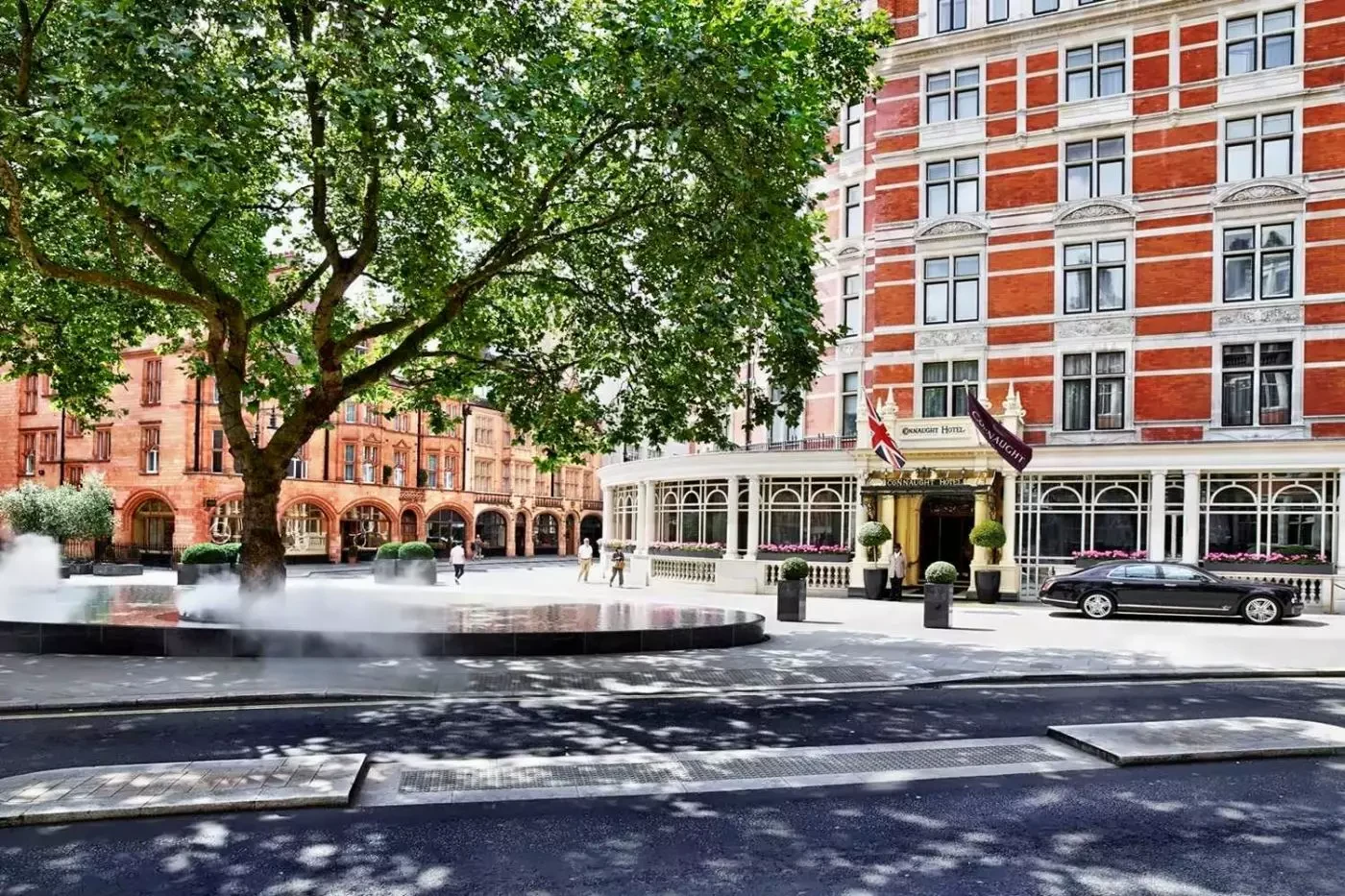
The independence of the awards is useful. A hotel can excel through its rooms, service and setting without a Starred restaurant; a remarkable restaurant can sit inside a hotel without Keys. At The Connaught, a food-led trip brings both distinctions into play, but the table still needs its own reservation.
Conventional hotel stars are different again. They belong to classification systems whose rules depend on the responsible organization and destination. The Hotelstars Union, for example, uses inspected criteria covering rooms, reception, services, food and leisure facilities. It is not MICHELIN’s Key system, and the awards cannot be translated into each other.
A Five-Star hotel with One Key is therefore not a contradiction. The labels answer different questions: one describes a classification, the other an editorial distinction. For practical comfort, look at the details of a five-star stay, from room layout to the facilities you will use.
The same distinction can lead to very different stays
MICHELIN’s 2025 global selection places Capella Sydney and Nimb at One Key, Six Senses Douro Valley at Two, and The Brando at Three. The variety is more useful than a simple ladder: a city hotel, a Tivoli address, a wine-country estate and an island resort ask for very different holidays.
Capella Sydney: the building and the city
Capella Sydney occupies the former Department of Education building, where a substantial historic exterior opens into contemporary interiors. Its appeal is urban: architecture, art and a central base for exploring Sydney, with a hotel worth returning to between outings.

The distinction draws attention to the building’s second life, but the room aspect shapes your daily experience of it. Some categories look into the atrium; others face outward. For travelers who like watching a city wake up, an outward view may be worth more than a few additional square meters.
Nimb: Copenhagen through Tivoli
At Nimb, the white facade and individually decorated rooms belong to the world of Tivoli Gardens. This is a different sort of One-Key stay from Capella: smaller in scale, closely tied to the park and particularly appealing when Tivoli is part of the reason for coming to Copenhagen.
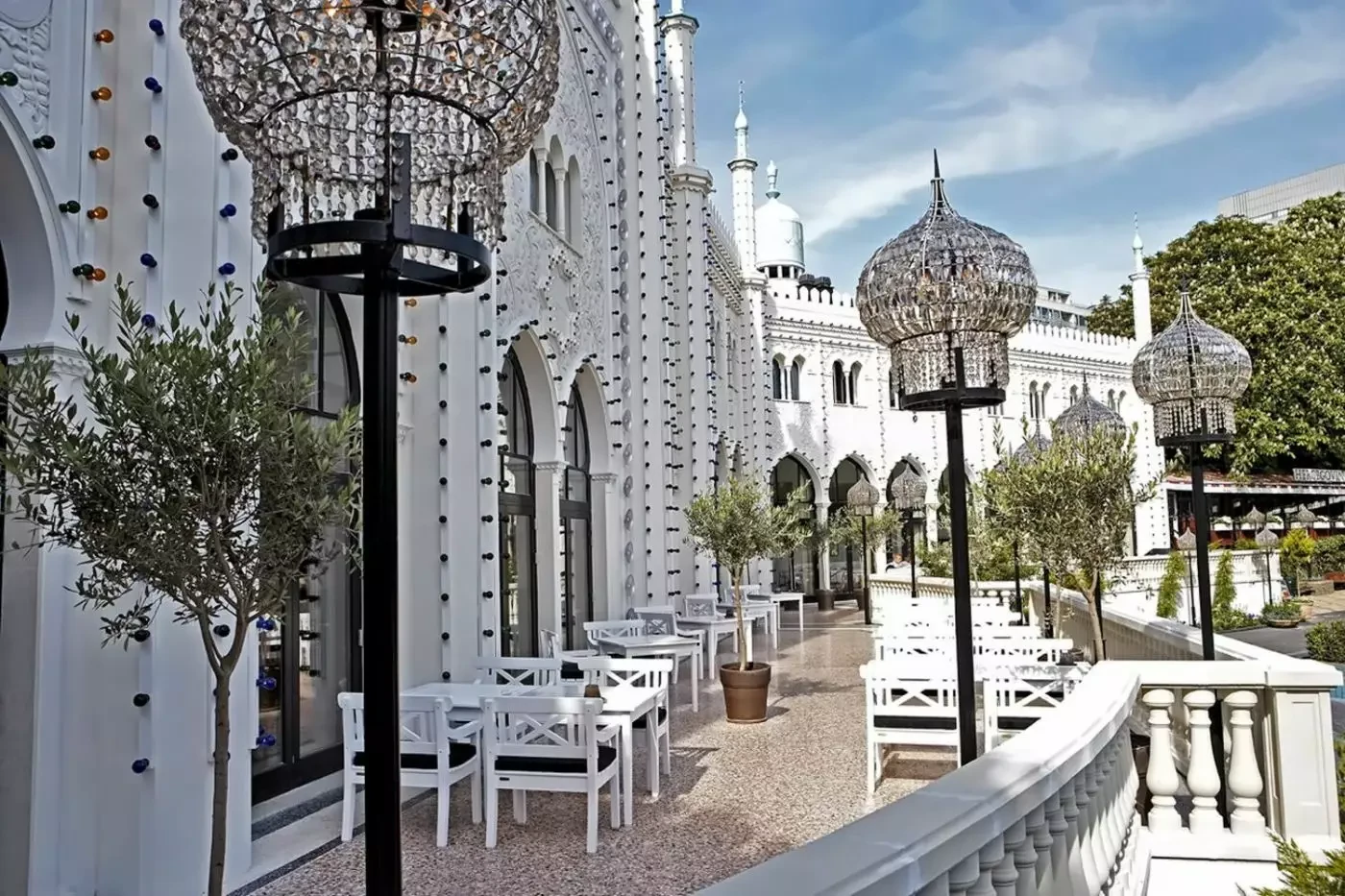
Tivoli opens in distinct seasons, with closures between them, so the garden experience depends on the dates. Nimb’s terrace categories are worth considering for coffee outdoors during an open season. A weekend focused on restaurants and design museums may call for a different balance between the park and the rest of the city.
Six Senses Douro Valley: leave time for the estate
Six Senses Douro Valley brings the hotel into the center of a country stay. The restored manor house, Wine Library, gardens and spa make a persuasive case for unhurried time on the property, alongside visits to the surrounding wine region.
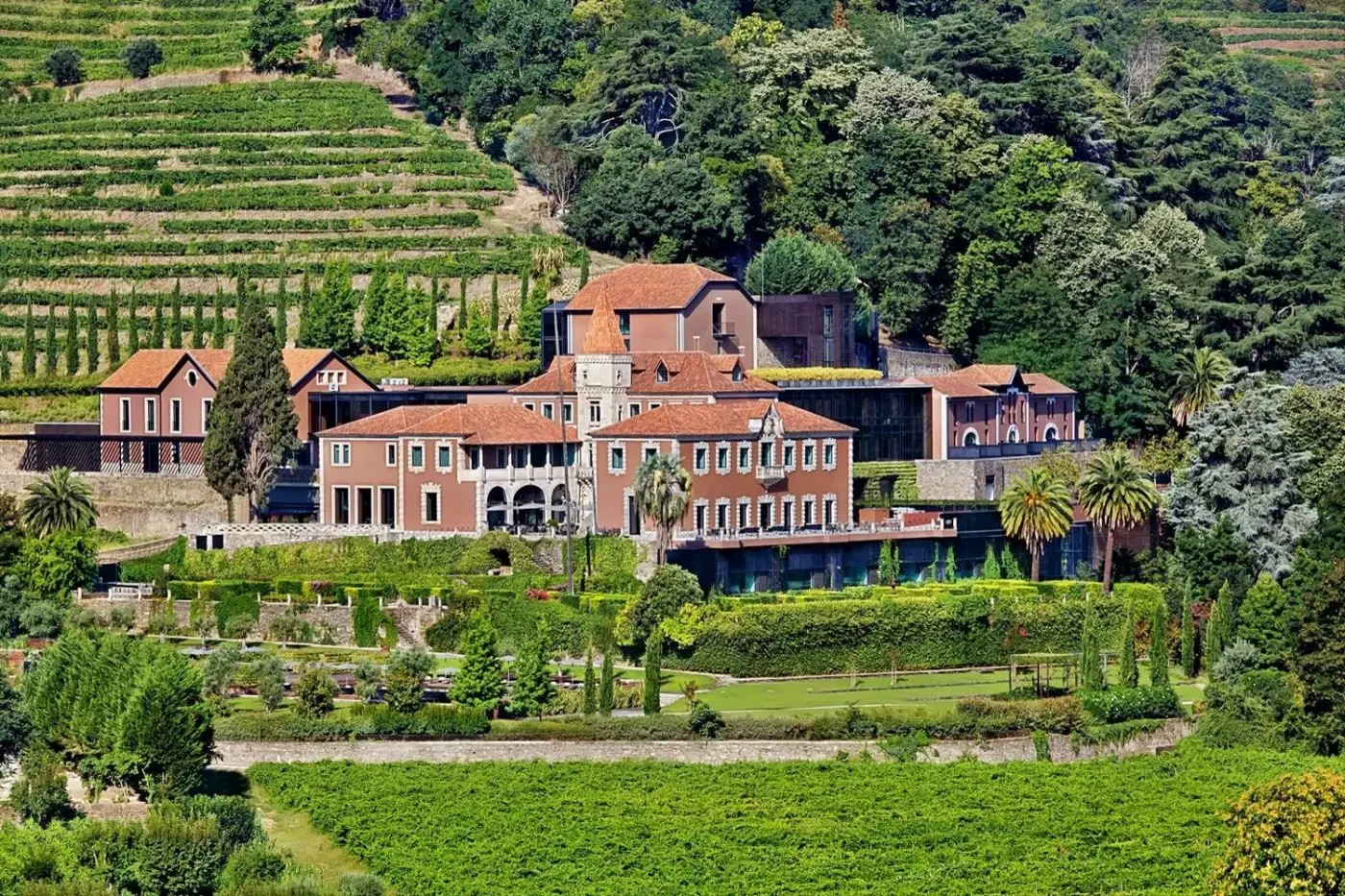
Two Keys may put it on your list, but the calendar will determine how much you enjoy what you have booked. A night between long drives leaves little room for a tasting, a treatment and an afternoon outdoors. Stay longer if those are the attractions. Travelers who want only a convenient bed after a full day of touring should weigh whether they will use the hotel enough to justify the rate.
The Brando: the journey is part of the choice
The Brando sits on Tetiaroa, north of Tahiti. Private-pool villas, beach and lagoon life make it a destination in its own right, rather than a hotel chosen to be near a busy town. Its Three Keys belong to that whole experience.

That does not mean the highest award is the right answer for every traveler. Island access, the length of the journey and what you want to do between swims all matter. For someone who loves independent restaurants and evenings exploring a town, a remote resort may be less satisfying than a city hotel with fewer Keys. The best choice is the one whose everyday pleasures match your own.
From an award to a reservation that fits
Use the Keys to find a few hotels worth examining, then compare the same essentials at each. Start with the exact room category and dates. A headline rate for an entry-level room tells you little about the cost of the terrace suite, connecting rooms or guaranteed view you need.
Then put two plausible stays beside each other, rather than comparing awards in isolation. Nimb with a terrace during Tivoli’s open season is a different proposition from a city hotel chosen for museums. Three nights in the Douro give a wine-country hotel time to justify the journey; a single night on a packed driving route may not.
PrivateUpgrades helps turn that shortlist into a room and rate that suit the trip, with inclusions and eligible benefits made clear. Breakfast, transfers and cancellation terms belong in the comparison; a possible upgrade should remain an extra, not the reason the room works.
The most rewarding use of the Keys is to discover a hotel you might otherwise have overlooked. Follow the distinction to an unfamiliar address, then let your own interests decide whether to stay.