Dinner is usually the last event on a hotel itinerary. At a hotel with an observatory, it can be the interval before the most interesting part of the evening. The conversation changes, the lights recede and a patch of sky becomes something you can begin to read.
For a good stargazing holiday, a remote address is only the start. You need a usable observing site, knowledgeable guidance and a hotel you would enjoy even if clouds arrive. Primland in Virginia and Soneva Fushi in the Maldives offer two quite different answers: a mountain lodge with an observatory above it, and an island resort where astronomy is part of the evening’s possibilities.
Neither is a promise of a particular sky. Choose between them by the holiday you want around the telescope, then give the observing itself enough time and flexibility.
Primland: A Mountain Stay With an Observatory Upstairs
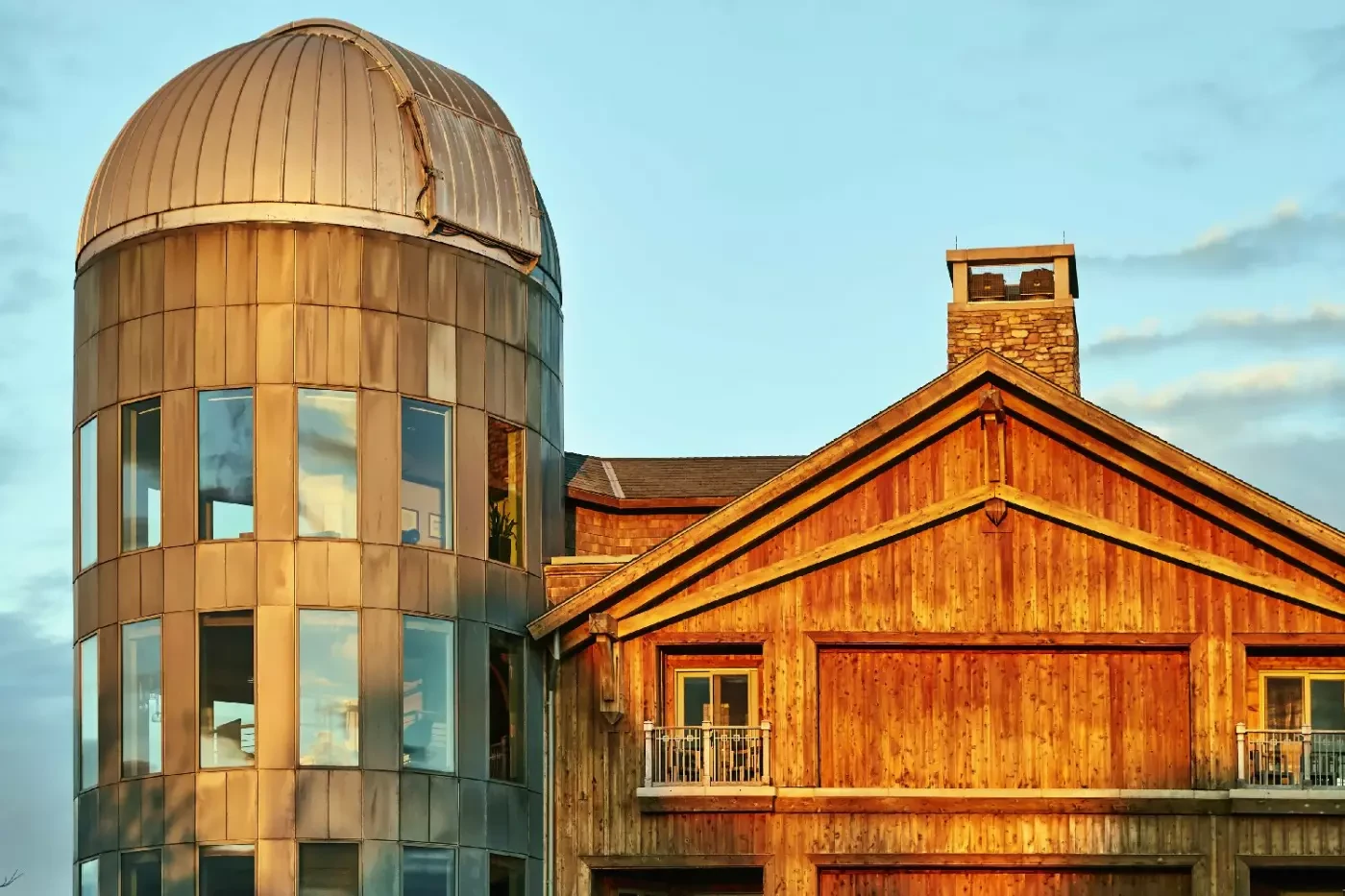
The observatory tower is a defining feature of The Lodge at Primland, in Virginia’s Blue Ridge Mountains. This is a country retreat of wooded slopes, broad views and substantial timber interiors. Stargazing belongs to the hotel rather than requiring a separate late-night excursion far from it.
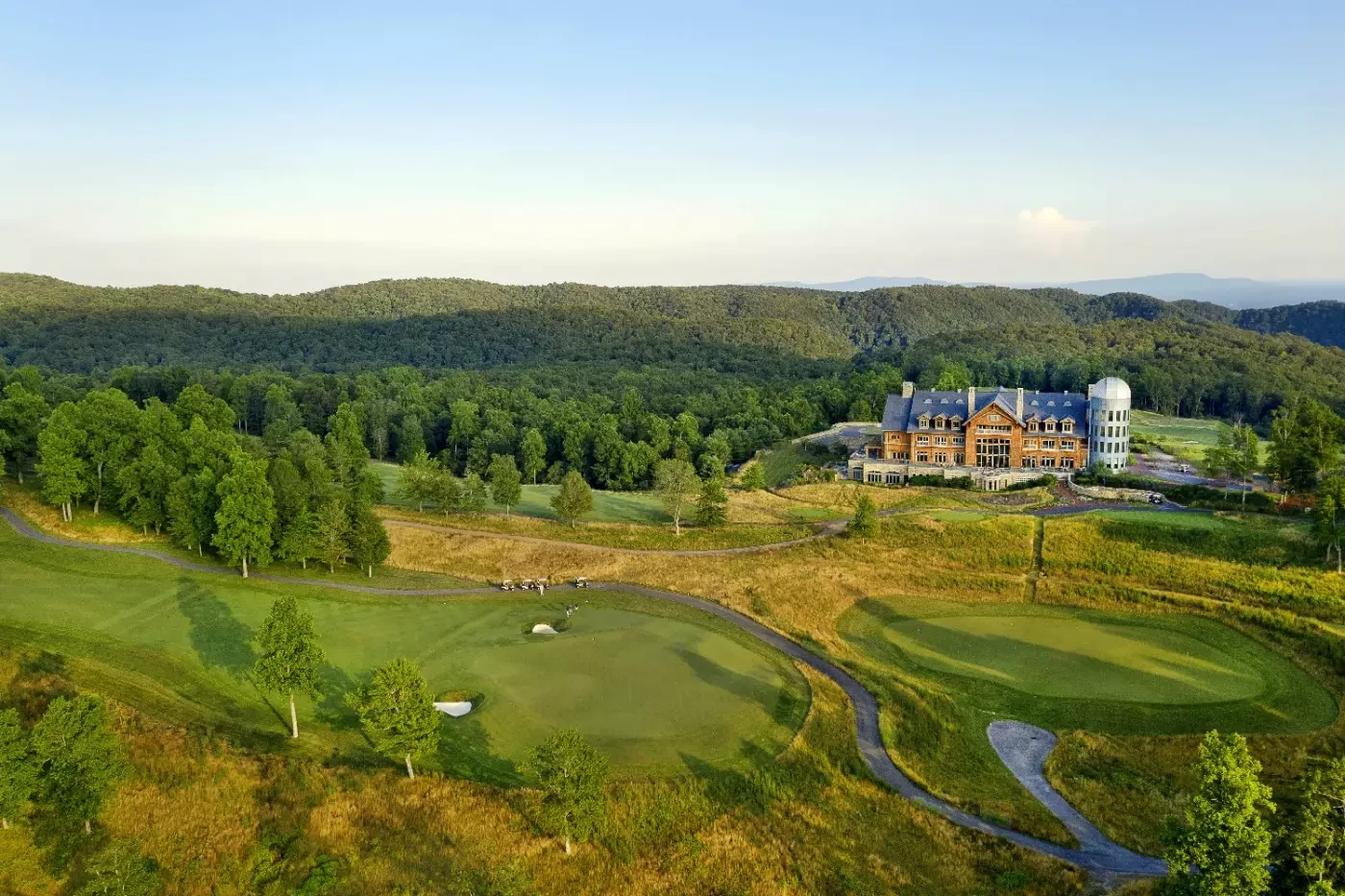
The observatory operates year-round, weather permitting. Primland currently lists sessions at 8.30pm and 9.30pm from September to February, moving to 9.30pm and 10.30pm from March to August. The published price is $60 per person including the service charge. That earlier winter slot makes a useful difference for families and anyone who prefers not to turn the evening into a late night.
For a first encounter with astronomy, guidance matters more than knowing a list of objects in advance. Moving between the telescope’s narrow field and the sky overhead helps turn isolated points of light into places you can recognize. A guided session gives that small act of looking some context, with targets chosen for the night’s conditions.
During the day, the estate gives the trip a country-house shape: walks, time by the indoor pool or a long meal before the evening program. Guests who enjoy golf or other outdoor pursuits can build those into the stay, while a non-playing companion need not spend the day waiting for darkness.
Choose Primland for a few nights in the mountains with astronomy as a recurring possibility. It is a particularly appealing alternative to making one observatory visit the sole purpose of a long drive.
At Primland, Choose Convenience or Seclusion
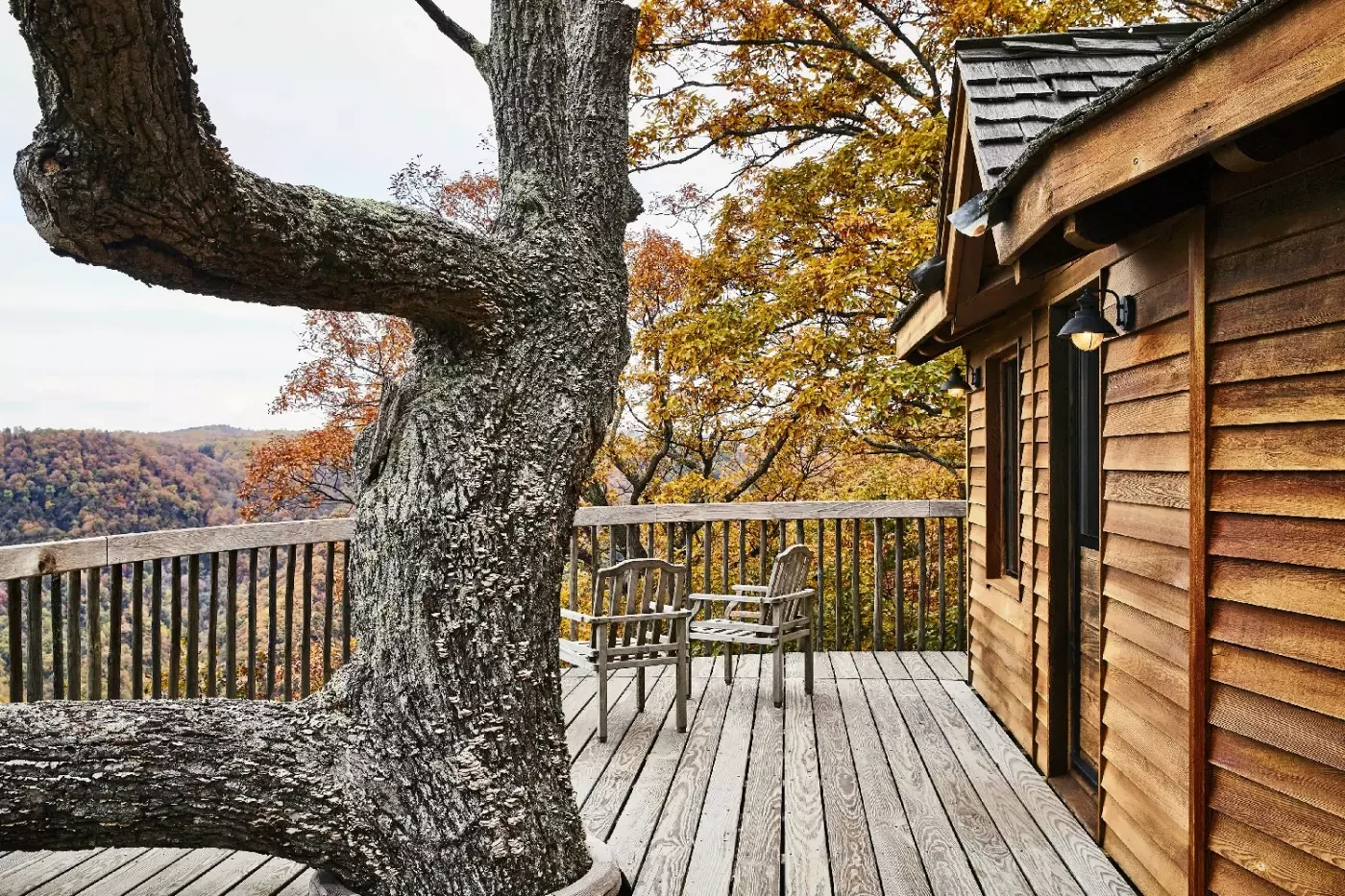
A room in the Lodge keeps the observatory and the hotel’s main spaces close. A tree house offers a more separate retreat, with the surrounding landscape doing much of the work. Both can be attractive, but they create different evenings.
The Celestial Suite is in the Observatory Tower, directly below the observatory. It has two levels connected by a spiral staircase, with the bedroom above the living area. The location is a lovely fit for the theme of the trip, but the layout matters too. Anyone who prefers a single-level room should consider that before being persuaded by the name.
The suite’s location does not include private use of the observatory: the session is a separate reservation. For the simplest evening, a Lodge room is the practical choice. A tree house makes more sense for a couple drawn to secluded mornings and a deck in the trees, who are happy to make the journey back after observing.
Soneva Fushi: The Sky After a Day on the Island
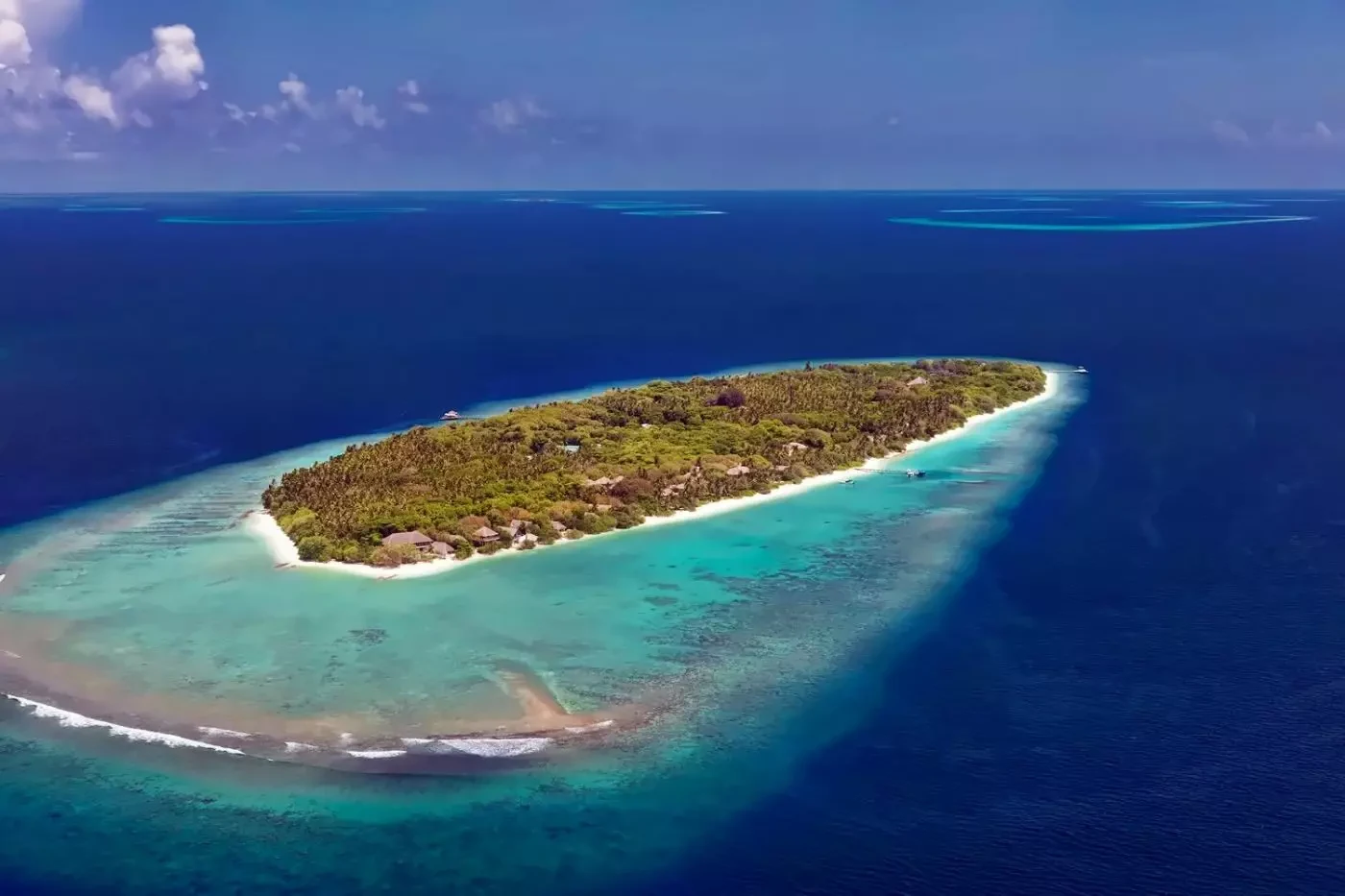
At Soneva Fushi, in Baa Atoll, the observatory is part of a much larger island stay. The resort lists a resident astronomer, and its astronomy offering sits alongside beach time, dining and family activities. Come for several days on the island, with the night sky as one of the reasons to linger.
An evening with the astronomer extends a day spent outdoors into a very different landscape. The hotel’s program can suit a curious beginner as readily as a guest with a particular question. Special visits by guest astronomers have their own calendars, so choose the stay for the resident offering unless a specific event is confirmed.
In the Maldives, January to March is the dry northeast-monsoon season; the wetter southwest monsoon generally runs from mid-May to November. That makes the early months a useful starting point for an island trip with astronomy in mind, not a guarantee of cloudless evenings. April and December are transition months. A flexible stay still matters more than one carefully chosen night.
Soneva Fushi offers both beach and overwater accommodation. A beach villa tucked into greenery can feel wonderfully sheltered, but that shelter is not necessarily an open view of the whole sky. Choose the villa for privacy, space and the way you want to spend the day. Use the dedicated observing setting for astronomy.
This is the better fit for travelers who want a tropical holiday first, especially when different members of the party have different interests. One evening with the astronomer can sit naturally beside another spent over dinner or back at the villa.
If the island holiday is still taking shape, the wider choice of Maldives atolls and resorts also deserves attention. The transfer, reef and villa setting will shape many more hours than the telescope session alone.
Book a Hotel You Will Enjoy Before Sunset
A stargazing trip still contains far more daylight than telescope time. At Soneva Fushi, spacious villas and island experiences make it easy for the holiday to work on several levels. At Primland, the appeal lies in the mountain setting and the pace of a country retreat.
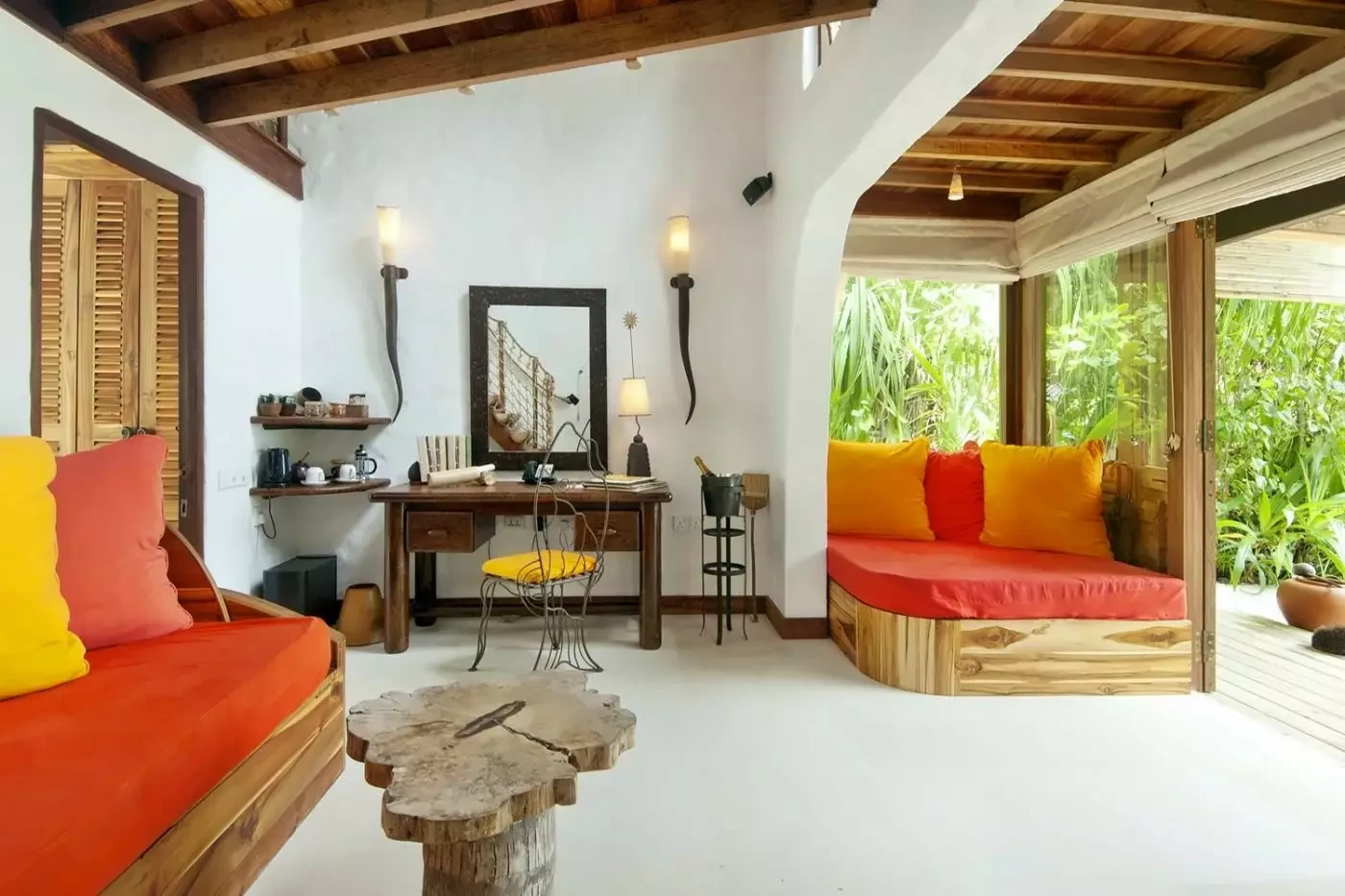
Ask the least astronomy-minded person in the group which version sounds better. That answer is often more useful than comparing telescope specifications. A partner who wants to swim, read and have dinner somewhere appealing should not feel they have signed up for an expedition.
| Your priority | The more natural fit |
|---|---|
| A short mountain break | Primland, with scheduled observatory sessions as part of a country stay. |
| A longer beach holiday | Soneva Fushi, combining island life with an astronomy experience. |
| The simplest late-night return | A room in Primland’s main Lodge, rather than accommodation elsewhere on the estate. |
| A specific celestial event | Visibility at that latitude and hour comes first; the hotel’s address alone cannot establish it. |
For both properties, leave more than one evening available if observing matters to you. Several nights create more opportunities, though they cannot guarantee clear weather. Reserve the first suitable session, not just the final night.
The Moon Matters as Much as the Hotel
A full moon can make an island beach or mountain landscape beautiful after dark. Its brightness also obscures fainter stars. For a darker-sky trip, nights around new moon are a useful starting point; on other dates, a session before moonrise or after moonset can make more sense than rejecting the whole week.
The object matters as much as the phase. Planets, constellations and the Milky Way occupy different parts of the sky through the year, and may not be visible during a hotel’s scheduled session. Virginia and the Maldives do not offer interchangeable views simply because both hotels have telescopes.
A moonlit visit need not be disappointing. The moon itself can reward attention, especially when shadows help reveal its surface rather than the disk being fully illuminated. Let the night’s conditions guide the choice of objects instead of measuring the evening against one image you hoped to reproduce.
When a particular celestial event is the reason for the journey, PrivateUpgrades coordinates the dates and session with the astronomy team before the hotel plan is finalized. Weather remains the variable no reservation can settle. Several evenings give the trip more flexibility than a single overnight stop.
Make the Evening Comfortable
Finish dinner with enough time to reach the meeting point without rushing. A warm layer matters in the Blue Ridge Mountains; on the island, light clothing and suitable footwear for the paths are more useful than dressing for a formal dinner. Comfort becomes important once you stop moving.
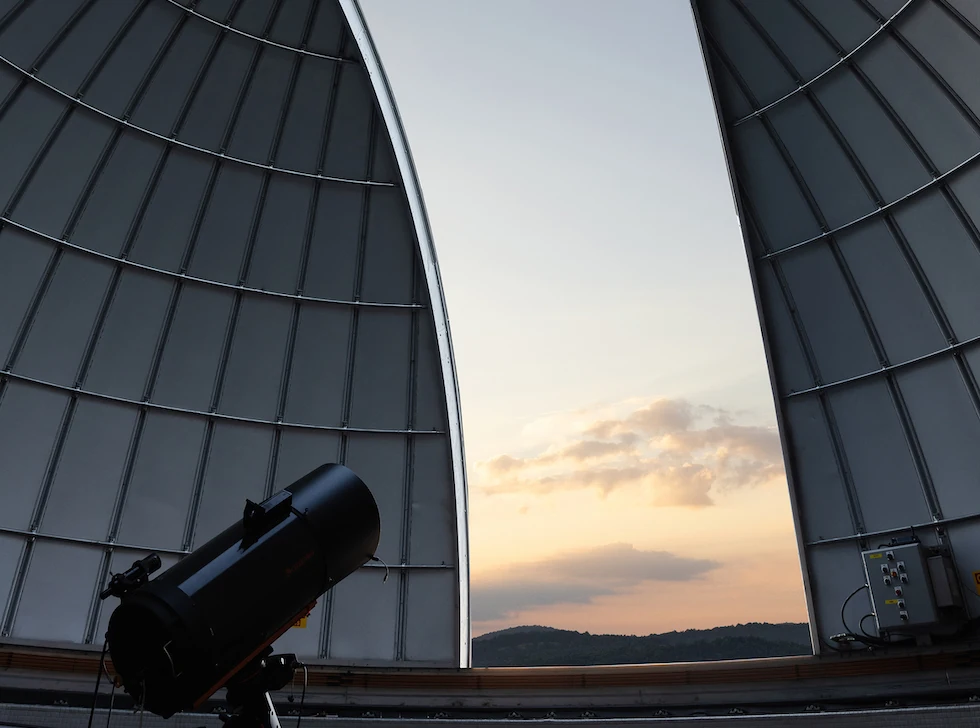
Keep your phone dim and avoid using its flashlight around other observers. Your eyes need time to adjust to darkness; repeated bright screens work against that. Follow the guide’s lighting advice and give yourself a few minutes to look without trying to photograph everything.
For children, the early session is often the more appealing prospect. A bright moon or a recognizable planet can hold more interest than a long search for a faint object. This is a shared evening, not an endurance exercise.
A guided group session is for observing, not setting up an elaborate personal photography station. Leave the telescope equipment to its operator and keep bright screens out of other guests’ sight. Anyone whose priority is photography needs a separately arranged session suited to it.
Two holidays with a different life after dark
A dedicated telescope session is not the same experience as dinner beneath the stars. We pair the room with the appropriate astronomy reservation, including its cost and weather terms, rather than treating the observatory as an amenity that automatically comes with the key.
Choose Primland if the mountain retreat appeals in daylight; choose Soneva Fushi if the island is the holiday you want. Then an evening at the observatory adds something neither a room photograph nor a telescope specification can convey: a better understanding of the sky above the place where you are staying.