Some luxury hotels are beautiful because of interiors. Others are compelling because the building itself has a name, an author and a story. The strongest famous architect hotels make architecture part of the reason to travel.
Table of Contents
Key Takeaways
- Famous architect hotels work best when the building story is visible throughout the stay, not only on the exterior.
- Pritzker links are useful, but the guest experience still needs comfort, service and strong room logic.
- The best booking choice depends on whether the traveler wants a city tower, winery landmark, cultural conversion, or calm high-rise retreat.
| Traveler Intent | Best Architecture Angle | PrivateUpgrades Link |
|---|---|---|
| Pritzker-level city statement | Jean Nouvel and Cidade Matarazzo | Rosewood Sao Paulo |
| Sculptural wine-country hotel | Frank Gehry in Rioja | Hotel Marques de Riscal |
| New York skyline architecture | Christian de Portzamparc’s One57 | Park Hyatt New York |
| Calm high-rise minimalism | Kerry Hill’s restrained Aman language | Aman Tokyo |
| Industrial landmark conversion | Thomas Heatherwick’s grain-silo transformation | The Silo Cape Town |
Planning An Architecture-Led Stay
PrivateUpgrades can help compare luxury hotels with strong architectural value, then check benefits such as breakfast, hotel credits, upgrade opportunities, early check-in, late check-out and VIP recognition where available.
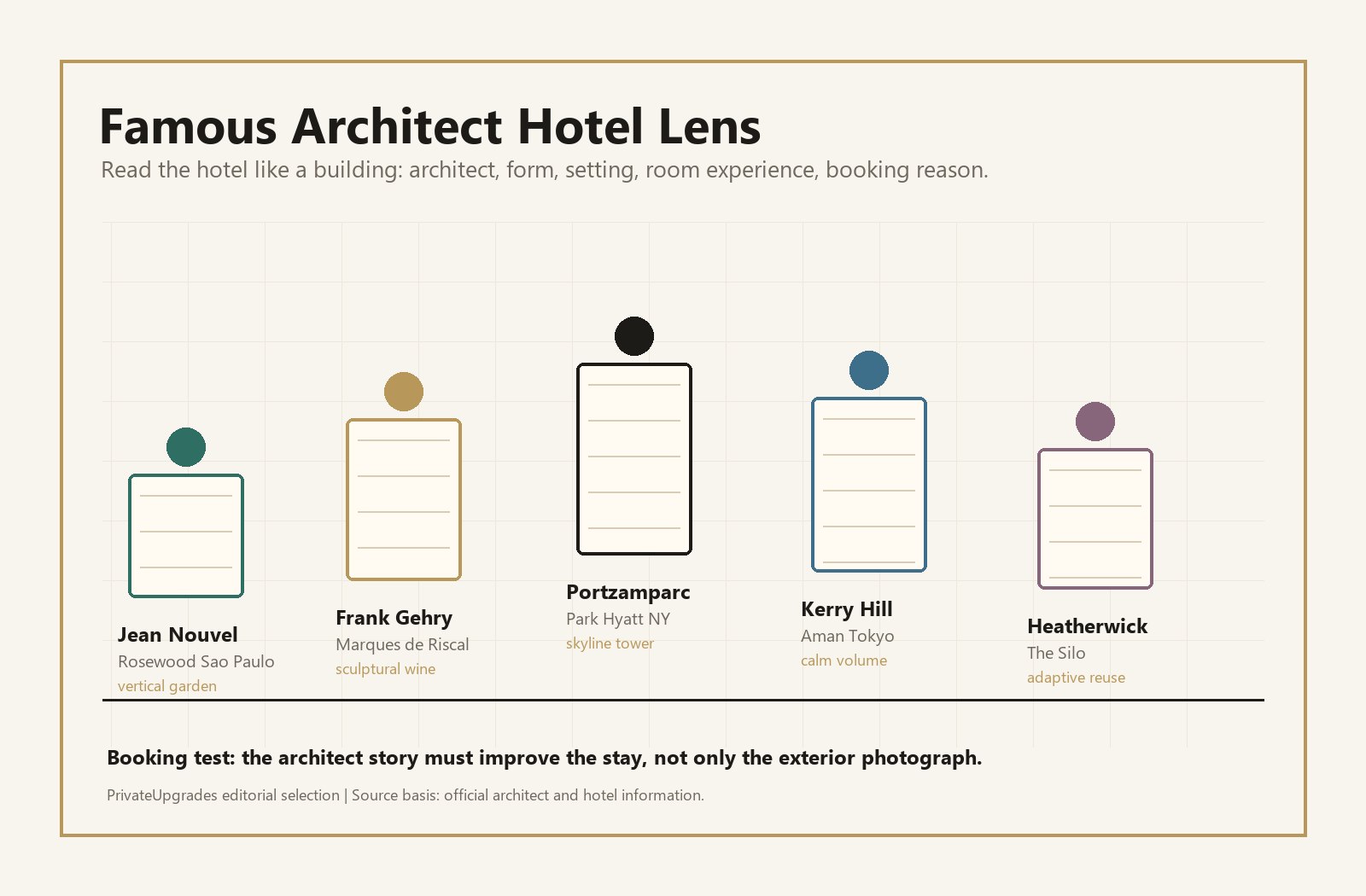
This is the key distinction from a normal design-hotel article. The focus is not furniture, mood or lobby styling alone. It is whether the architect, building and destination create a stay that could not happen in the same way anywhere else.
Why Famous Architects Change The Hotel Stay
A famous architect does not automatically create a better hotel. But when architecture and hospitality work together, the stay becomes more memorable. Arrival feels intentional. The view is framed. The lobby has scale. The restaurant and room belong to a larger spatial idea.
That is why famous architect hotels should be judged differently from ordinary luxury hotels. The question is not only whether the hotel is comfortable. The question is whether the building gives the trip a sharper sense of place.
Rosewood Sao Paulo
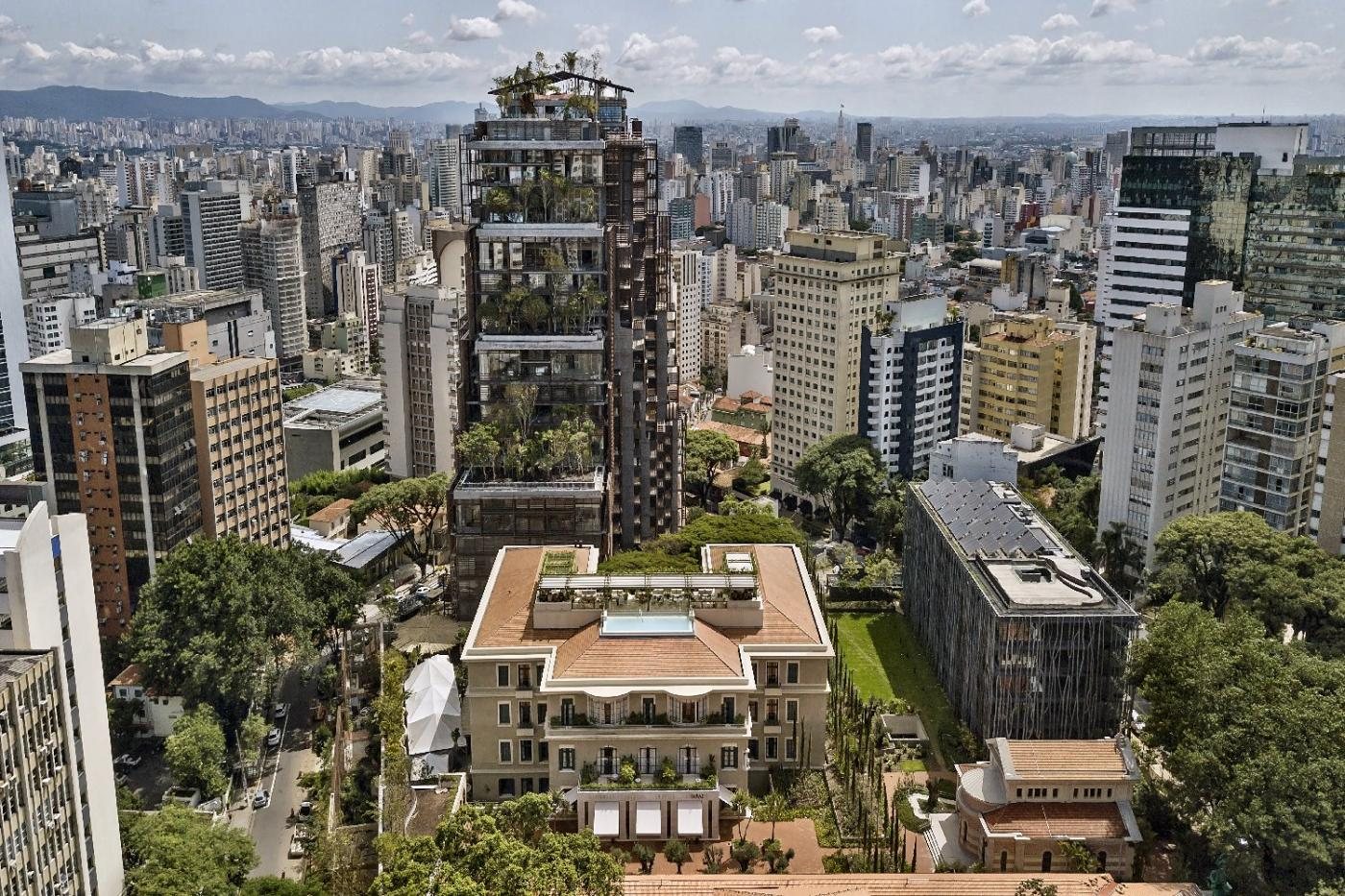
Rosewood Sao Paulo is the clearest Pritzker-linked hotel in this guide. Jean Nouvel’s tower rises from the restored Cidade Matarazzo complex, turning a layered historic campus into a vertical garden and contemporary urban resort.
For luxury travelers, the power is in the mix: Brazilian art, restored heritage, tropical planting and a modern tower that feels specific to Sao Paulo. It is not a neutral luxury box. It is a hotel with architectural authorship.
Book Rosewood Sao Paulo With VIP Benefits
Hotel Marques de Riscal
Hotel Marques de Riscal is one of the most useful examples because the architecture is immediately legible. Frank Gehry’s titanium ribbons turn a wine-country hotel into a sculptural object that belongs to the landscape and disrupts it at the same time.
This is the right choice for travelers who want architecture to be emotional and photogenic, but still tied to a clear travel purpose: wine, food, countryside and a strong sense of arrival.
Book Hotel Marques De Riscal With VIP Benefits
Park Hyatt New York
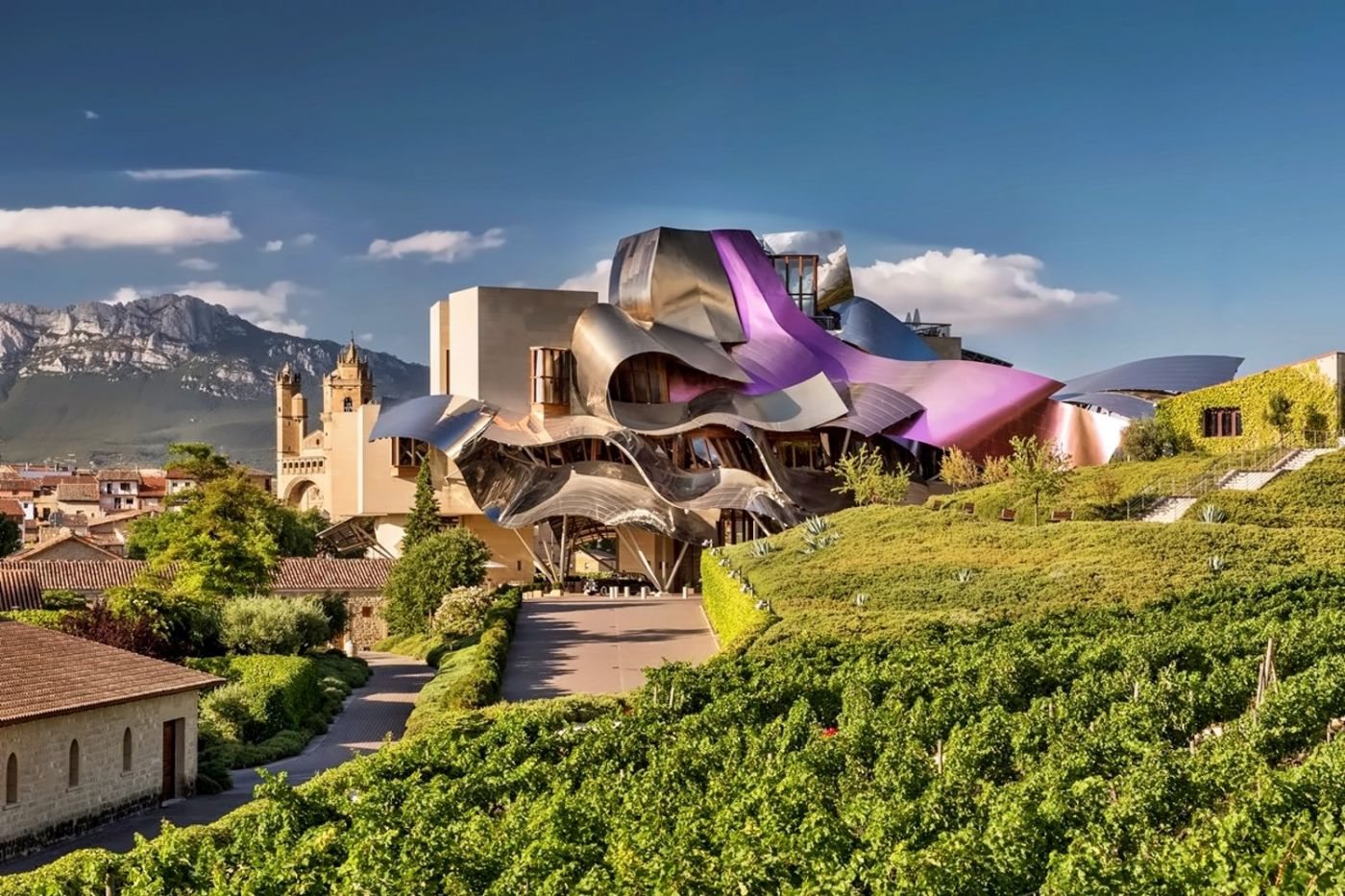
Park Hyatt New York brings a different architectural story. The hotel sits within One57, the Christian de Portzamparc-designed tower that helped reshape the Billionaires’ Row skyline.
The stay is not about decorative architecture. It is about height, Central Park proximity, Midtown precision and the feeling of occupying a major New York vertical address. For travelers, that can be more relevant than a purely historic hotel story.
Book Park Hyatt New York With VIP Benefits
Aman Tokyo
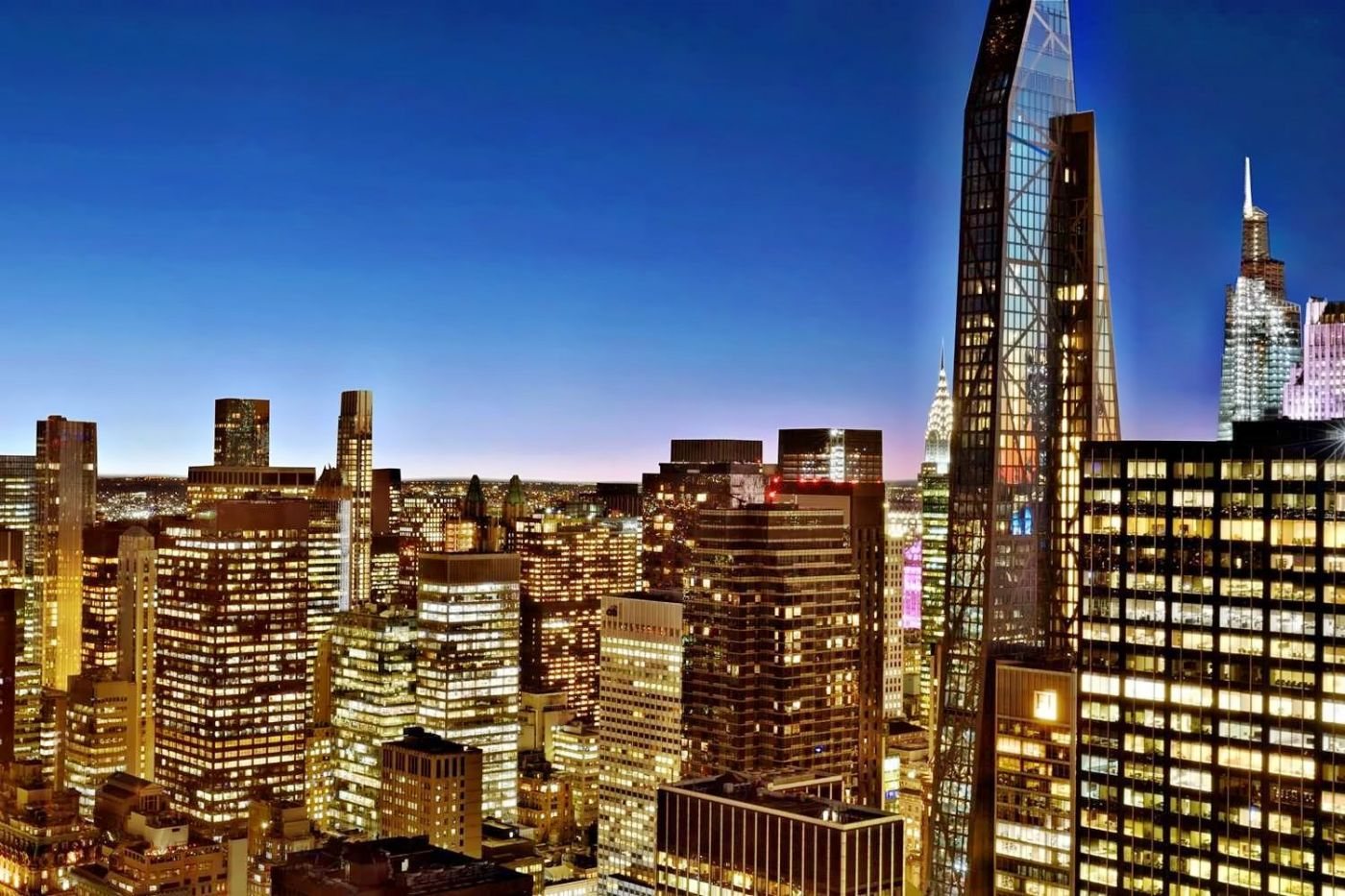
Aman Tokyo is not a Pritzker-name hotel, but it belongs here because the architectural experience is unusually disciplined. Kerry Hill’s language of volume, stone, washi paper, light and silence makes Tokyo feel calmer from above.
The hotel works when architecture should reduce noise rather than create spectacle. After Ginza, Marunouchi or museum time, the return to Aman feels almost ceremonial.
Book Aman Tokyo With VIP Benefits
The Silo Cape Town
The Silo is a landmark conversion rather than a Pritzker hotel. Its value comes from transformation: an industrial grain silo became a sculptural hotel above the V&A Waterfront and beside one of Cape Town’s major contemporary art anchors.
The building gives guests a different way to see the city. The windows, concrete bones, waterfront setting and mountain views make the stay spatially memorable before any restaurant reservation is added.
Book The Silo With VIP Benefits

How To Choose A Famous Architect Hotel
If you want a Pritzker link
Choose Rosewood Sao Paulo or Hotel Marques de Riscal. Both give the stay a clear architect-author story.
If you want skyline architecture
Choose Park Hyatt New York. The hotel is tied to a major contemporary New York tower.
If you want quiet architecture
Choose Aman Tokyo. It is more about space, light and calm than exterior drama.
If you want adaptive reuse
Choose The Silo. The building’s former industrial life is central to the stay.
The Booking Lens: Architecture Must Still Work As Hospitality
The common mistake is to book a building and forget the hotel. Architecture can create desire, but service, room category, sleep quality, breakfast, bathroom planning and arrival handling decide whether the stay succeeds.
PrivateUpgrades travelers should use the architecture as the first filter, then check the practical details. Which room has the right view? Does the hotel fit the trip rhythm? Are benefits available? Is the building a one-night curiosity or a place to enjoy for three nights?
Why This Is Not A Generic Design-Hotel List
The hotel still needs to feel luxurious, but the hook is not decoration. It is the relationship between building, architect, setting and guest experience.
How To Match The Architect Story To The Trip
Choose Rosewood Sao Paulo when the trip should feel urban, contemporary and culturally layered. Choose Hotel Marques de Riscal when architecture should be sculptural and tied to wine country. Choose Park Hyatt New York when a skyline address and Central Park proximity matter more than resort atmosphere.
Choose Aman Tokyo when architecture should calm the city rather than compete with it. Choose The Silo when the traveler wants adaptive reuse, cultural context and an industrial landmark with a strong sense of place.
These are not interchangeable hotels. They answer different travel moods, and that is why architecture can be a more useful planning filter than a generic luxury ranking.
Questions To Ask Before Booking
First, ask whether the best architectural feature is visible from the room or mostly from outside. A hotel can be famous for its facade, but the guest may spend more time with an interior courtyard, skyline view, spa route or restaurant terrace.
Second, ask whether the building improves the practical stay. Does it create quiet? Does it frame the view? Does it make arrival feel special? Does it help the hotel feel connected to the destination? These questions matter more than whether the building is instantly recognizable on Instagram.
Third, ask how long the stay should be. Hotel Marques de Riscal can work beautifully as a one- or two-night architectural wine-country stop. Rosewood Sao Paulo and Aman Tokyo can support longer city stays. The Silo and Park Hyatt New York can work well when architecture is one part of a wider cultural or city itinerary.
Finally, ask whether the architecture supports the traveler, not only the photograph. The best hotel buildings create anticipation before arrival and ease after check-in.
That is the difference between architectural tourism and architectural hospitality. The first is about seeing a building. The second is about living inside it for long enough that the design changes the rhythm of the trip.
For a luxury traveler, that rhythm is the point: arrival, view, sleep, breakfast, movement through the building, and the feeling of returning to a place that has its own architectural intelligence and emotional logic.
A Three-Night Architecture Stay
The first night should let the building do its work. Stay close, have a drink, understand the lobby, and let the room establish the point of view. A famous-architect hotel often makes the least sense when guests rush away immediately after arrival.
The second day should connect the hotel to the destination: Sao Paulo’s cultural energy, Rioja’s wine landscape, New York’s vertical theatre, Tokyo’s controlled calm, or Cape Town’s waterfront and mountain setting. The final morning should be slow enough to notice why this hotel could not be anywhere else.
What To Avoid
A big architect name is not enough. Avoid hotels where the building is more interesting than the stay, or where the design is difficult to use. Luxury architecture should not make breakfast awkward, rooms dark, service complicated or the guest feel like a visitor in a museum.
The best famous architect hotels are still hotels first. They simply give the stay a stronger architectural memory.
What are famous architect hotels?
They are hotels where a named architect, architectural movement or landmark conversion is central to the stay. The building is part of the travel reason, not only a backdrop.
Which hotel has the clearest Pritzker connection?
Rosewood Sao Paulo has a strong Jean Nouvel connection, while Hotel Marques de Riscal is a clear Frank Gehry hotel. Both make architecture highly visible to the guest.
Is Aman Tokyo a famous architect hotel?
Aman Tokyo is included for its architectural experience rather than a Pritzker label. Kerry Hill’s restrained design language makes the hotel one of Tokyo’s strongest high-rise luxury retreats.
Are architecture hotels good for first-time luxury travelers?
Yes, if the building supports comfort and service. The best examples make the trip more memorable without making the stay complicated.
Can I book architecture-led hotels with PrivateUpgrades benefits?
Yes. Selected hotels on PrivateUpgrades can include breakfast, hotel credits, upgrade opportunities, early check-in, late check-out and VIP recognition where available.
Methodology
This guide uses official architect and hotel information, current PrivateUpgrades availability, and editorial assessment of whether the building is a true reason to book. It focuses on famous architect hotels where architecture changes the stay rather than repeating a generic design-hotel list. Hotels were also checked for practical luxury relevance, not only architectural fame.
Plan An Architecture-Led Stay
Use PrivateUpgrades to compare luxury hotels where the building story matters. The right architecture hotel should make the destination feel sharper before the first dinner reservation is made.