Madrid rarely reveals itself before dinner. The city becomes clearer as the light softens, terraces fill and the pace turns social. That is why a successful weekend here should not be planned as a race between monuments. It needs a good radius, one serious museum morning, a long lunch and a hotel that supports the mood of the trip.
A well-planned 48 hours in Madrid can be enough to understand the city’s appeal, provided the hotel is chosen with intent. A first visit works differently from an art-led return. A shopping weekend in Salamanca asks for another base than two nights built around cocktails, design and late dinners. This guide follows one practical Madrid itinerary, then shows how five hotels can turn it into five distinct stays.
For 48 hours in Madrid, spend Friday evening in Centro, keep Saturday for the Prado and El Retiro, then use Sunday for Salamanca, Chamberí or the Royal Palace. Choose the hotel by the part of Madrid you want to return to, not simply by its star rating.
| When | The Plan | Why It Works |
|---|---|---|
| Friday evening | Check in, reset and take one orientation walk | Keeps the arrival composed |
| Saturday morning | Prado Museum and El Retiro | Pairs Madrid’s strongest art address with time outdoors |
| Saturday afternoon | Salamanca shopping, a second museum or the hotel spa | Lets the trip follow your priorities |
| Saturday night | One serious dinner and one bar | Leaves room for Madrid’s late rhythm |
| Sunday | Chamberí, the Royal Palace or quieter streets near the hotel | Protects the final hours from unnecessary crossings |
How to Spend 2 Days in Madrid Without Rushing
The strongest 48-hour plan is deliberately selective. Madrid’s centre is walkable, but the city is larger than it first appears. Crossing it repeatedly for lunch, shopping and a hotel break soon consumes the day. Choose one main area each morning. Leave space for an unplanned café or gallery, and treat the return to the hotel as part of the itinerary rather than lost time.
For a first weekend, the useful line runs from Centro Canalejas and Puerta del Sol through Barrio de las Letras to the Prado and Retiro. It connects old Madrid, the museum district and the park without forcing a rigid schedule. Salamanca and Chamberí then reveal a calmer, more residential version of the capital. They are close enough to join the plan, but different enough to deserve several unhurried hours.
The question of where to stay in Madrid is therefore practical, not cosmetic. Hotel geography changes the rhythm. Guests at Four Seasons Hotel Madrid or The Madrid EDITION can step into the historic centre within minutes. Mandarin Oriental Ritz, Madrid places the Prado and Retiro almost at the door. Rosewood Villa Magna suits days built around Salamanca, Serrano and a measured return to the spa. Santo Mauro turns the hotel itself into a quiet interval between Chamberí and the busier centre.
Friday: Arrive, Reset and Step Out
Madrid rewards a composed arrival. Arrange the airport transfer before the flight and ask the hotel to note the expected arrival time. Resist booking a major dinner too soon after landing. A short reset matters more than squeezing another sight into the first afternoon.
Once settled, take an orientation walk rather than a formal tour. From Centro, move through Puerta del Sol towards Plaza Mayor, then leave the busiest streets for the smaller lanes around Las Letras. From the Prado, walk through Plaza de la Lealtad and along the museum axis before crossing into the literary quarter. Salamanca calls for a different opening: Serrano, the side streets around Jorge Juan and an aperitif close to the hotel. Santo Mauro guests can begin in Chamberí, where the evening feels local before the centre enters the weekend.
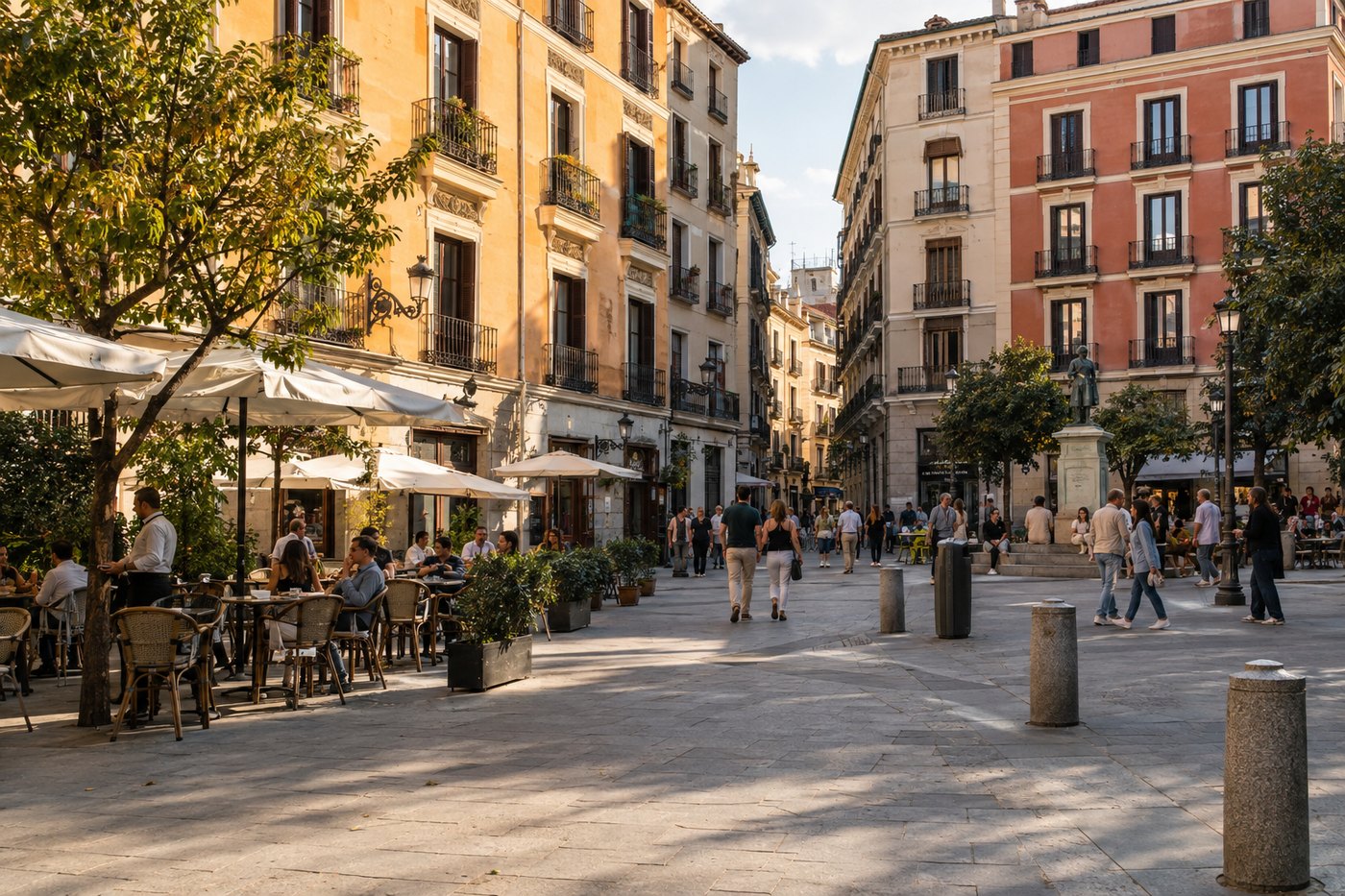
The first dinner should fit the arrival day. A hotel restaurant is often the intelligent choice after a long journey, particularly when it has its own character. Dani at Four Seasons puts the skyline into view without another transfer. Deessa at Mandarin Oriental Ritz deserves a dedicated reservation and a settled evening rather than a hurried first-night slot. The restaurants and bars at The Madrid EDITION keep the energy inside the hotel. Villa Magna and Santo Mauro both allow the night to remain quieter.
Madrid eats late, but there is no merit in forcing the city’s timetable after an early flight. Choose one good table, order with appetite rather than ambition and keep the first night open enough to follow the room’s mood. A terrace, a garden-facing window or a drink in a handsome bar can be a better beginning than another address on a list.
Saturday: The Prado, Retiro and a Proper Lunch
Give Saturday morning to the Prado. A timed ticket and an early start protect the rest of the day. The museum does not reward completionism; select a small group of works or one period, then leave while your attention is still sharp. Guests staying at Mandarin Oriental Ritz have the rare advantage of returning to the hotel for coffee, a change of shoes or a pause before lunch. From Four Seasons, the museum district is close enough to reach on foot without turning the morning into a commute.
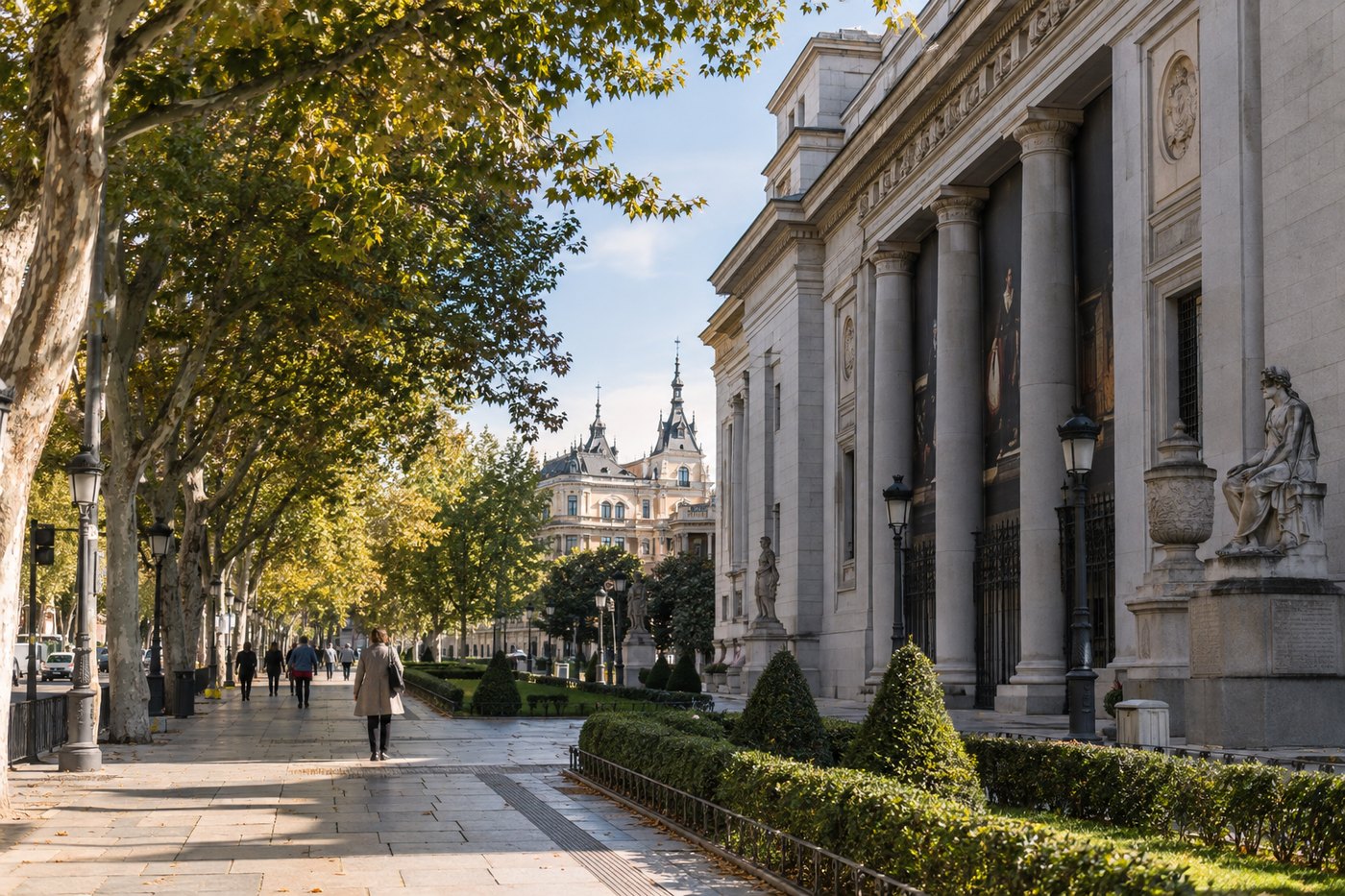
After the galleries, cross towards Retiro. The park and the Paseo del Prado form part of Madrid’s UNESCO-listed Landscape of Light. The pleasure is less academic: shaded paths, broad lawns and room to let the museum settle. A short walk is enough. The weekend should still have energy for lunch.
Lunch is the day’s centre of gravity. Reserve a table that permits two hours rather than one that requires another dash across town. This is the moment for traditional Madrid cooking, a modern Spanish menu or a hotel dining room chosen for the chef rather than convenience. Leave the afternoon flexible. The city can absorb a strict itinerary, but it rarely improves one.
Saturday Afternoon: Choose One Direction
Art travellers can continue to the Thyssen-Bornemisza or Reina Sofía, though a second large museum should be a deliberate choice. Shoppers should move to Salamanca and work around Serrano, Ortega y Gasset and the surrounding streets. Design-minded guests may prefer smaller galleries, bookshops and independent stores in Las Letras and Salesas. Those who value recovery can return to the hotel for the pool, spa or an hour in the room before evening.
This is where hotel selection starts to show. Four Seasons offers a substantial wellness centre and a 14-metre indoor pool above the city. Mandarin Oriental Ritz has a heated indoor pool and a more cocooned spa atmosphere. Rosewood Villa Magna is the natural fit for a treatment followed by time in its garden-facing spaces. The Madrid EDITION brings the day back to a social rooftop setting in season. Santo Mauro offers less resort-style depth, but its private garden and small scale provide something the larger hotels cannot: genuine separation from the city’s tempo.
Saturday Night: Madrid After Dark
Plan dinner later than at home, but do not over-program the night. A reservation followed by one bar is enough. The Madrid EDITION suits guests who want the hotel to remain part of the evening. Its Punch Room and rooftop life create an easy progression from dinner to drinks. Four Seasons has a polished two-stage option in Dani and Isa. Mandarin Oriental Ritz is more ceremonial, with Pictura and the Palm Court carrying the atmosphere of a grand hotel.
Salamanca evenings feel more measured, especially when the return is to Rosewood Villa Magna. Santo Mauro is the counterpoint to the city-centre scene: arrive back through the garden, take a final drink and let the palace become the last address of the night.
Sunday: A Quieter Side of the City
Sunday should not repeat Saturday at lower intensity. Begin with breakfast, then choose the part of Madrid that the first day missed. From Salamanca, walk towards Retiro before the main paths fill, or stay north and explore the neighbourhood’s quieter streets. From Santo Mauro, explore Chamberí and the streets around the Museo Sorolla. The museum itself is currently closed for expansion and rehabilitation, so check its official status before planning a visit. Guests in Centro can move west towards the Royal Palace or return to Las Letras when its lanes are calmer.
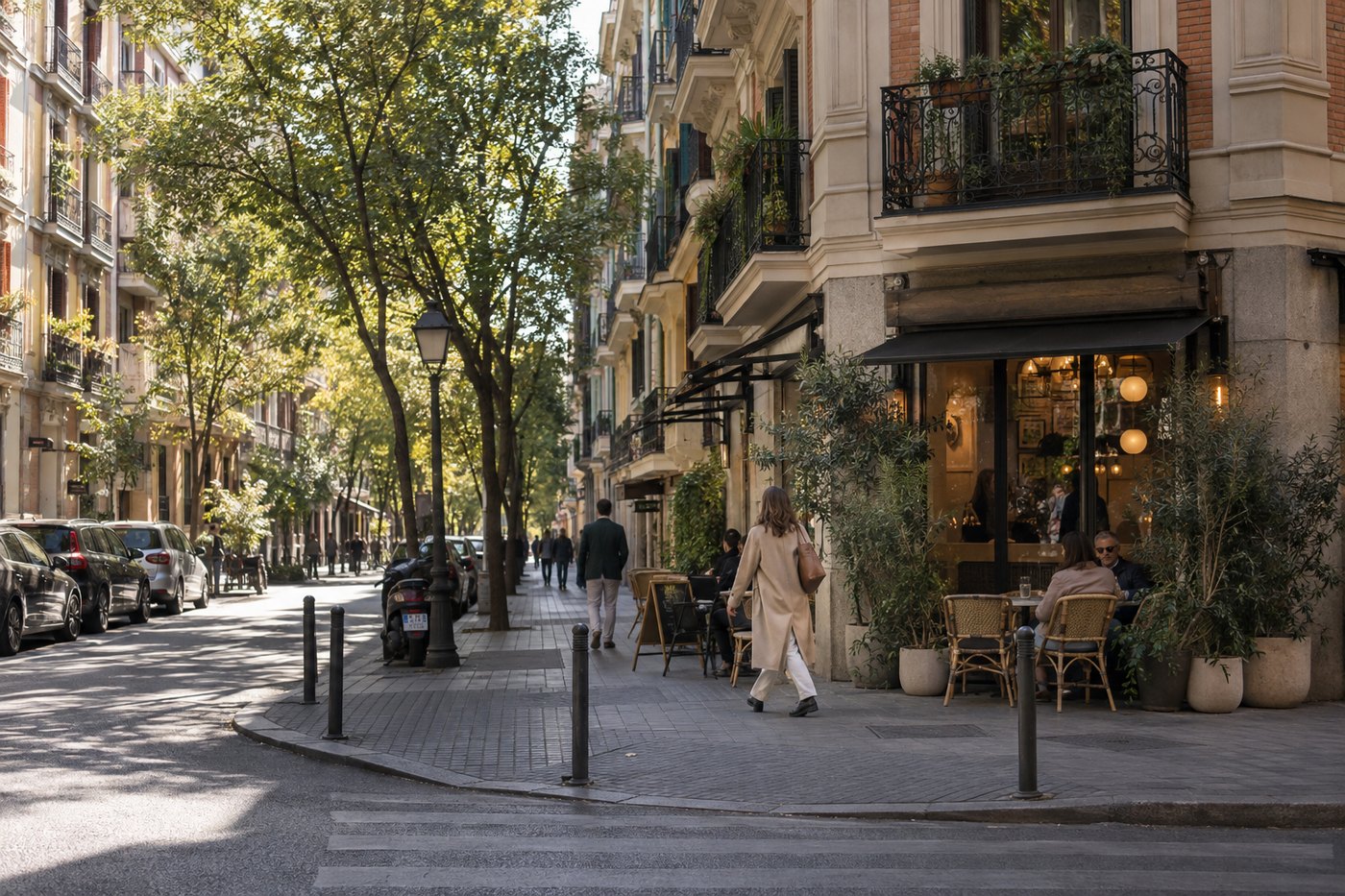
Keep the final lunch close to the hotel or on the route to the airport. The most expensive mistake on a two-night city break is not a mediocre meal. It is losing the last afternoon to unnecessary crossings, luggage collection and uncertainty about departure. A confirmed late check-out, when available, has unusually high value in Madrid. It preserves time for a walk, lunch and a proper change before the flight.
If the schedule allows one final hour, use it for something small: a café terrace, a bookshop, a last circuit of Retiro or a drink in the hotel garden. Madrid’s scale can tempt visitors into adding one more landmark. The better ending is usually a scene you can actually remember.
Five Hotels, Five Different Madrid Weekends
Four Seasons Hotel Madrid: The First Visit, Made Easy
Four Seasons Hotel Madrid is the strongest all-round base for travellers who want centrality without sacrificing the machinery of a full-service hotel. It occupies seven historic buildings within Centro Canalejas and has 200 rooms and suites. Puerta del Sol, Gran Vía, Las Letras and the museum axis all sit within a practical walking radius.
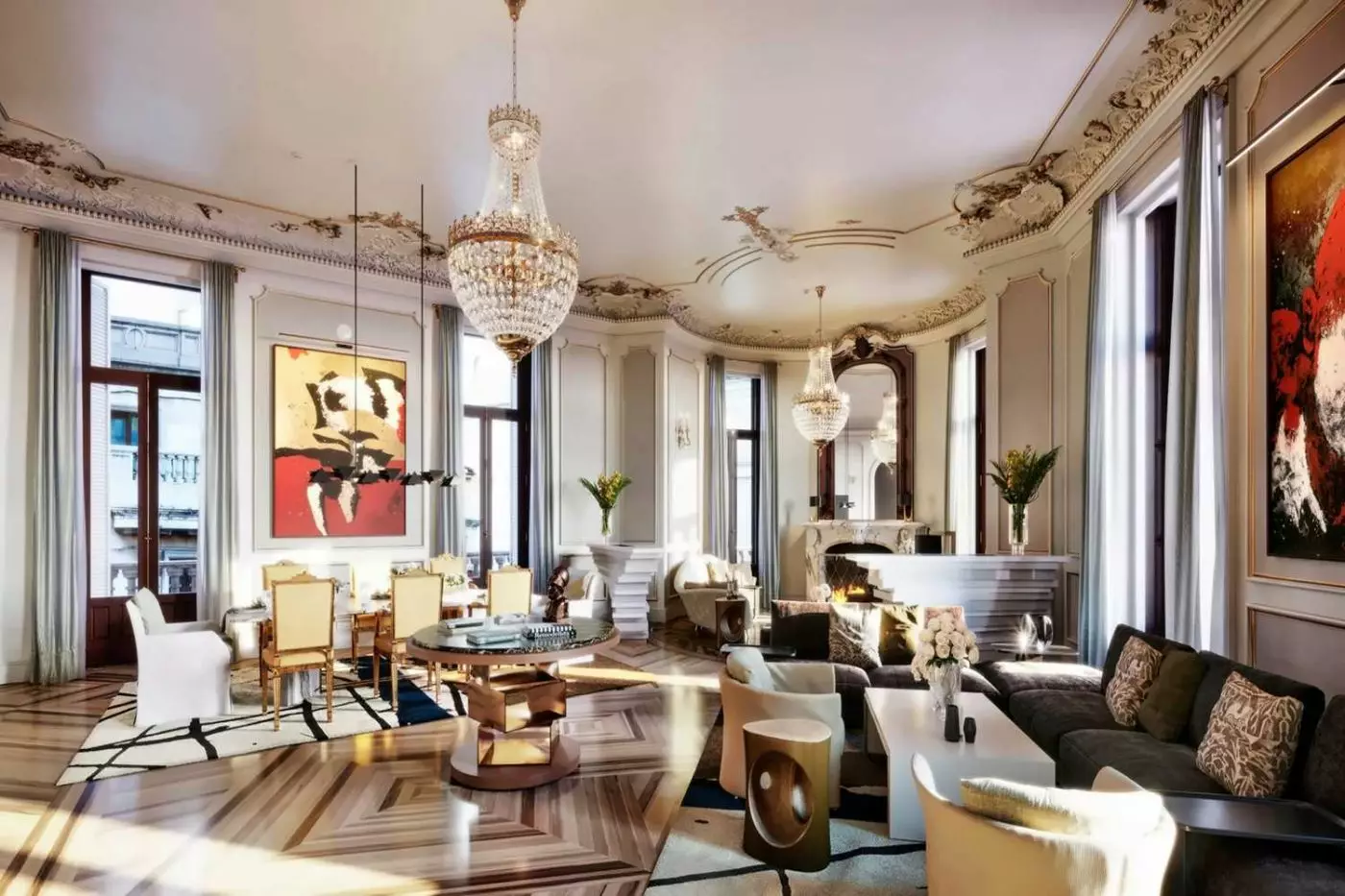
The scale earns its place on a short trip. Dining, wellness and concierge depth can rescue a rain-heavy afternoon or simplify a late arrival. Direct access to Galería Canalejas also makes shopping unusually frictionless. Dani gives the stay a visible rooftop moment; Isa shifts the mood later in the evening.
Room orientation matters more than sheer size. Courtyard rooms favour quiet, while city-view categories create a stronger connection to the capital. Consider a terrace in mild weather, but only when the category confirms it. The trade-off is intimacy: this feels like an important city hotel, not a concealed residence. Travellers seeking a private garden or residential mood should look to Santo Mauro or Villa Magna. For a first Madrid weekend, however, few hotels make the city easier to understand.
Mandarin Oriental Ritz, Madrid: Art Before Everything Else
Some hotels improve an itinerary by removing journeys. Mandarin Oriental Ritz, Madrid does this for art. It stands opposite the Prado, near Retiro and within the Landscape of Light. Its 100 rooms and 53 suites look towards quiet courtyards, gardens, the square or the museum district according to category.
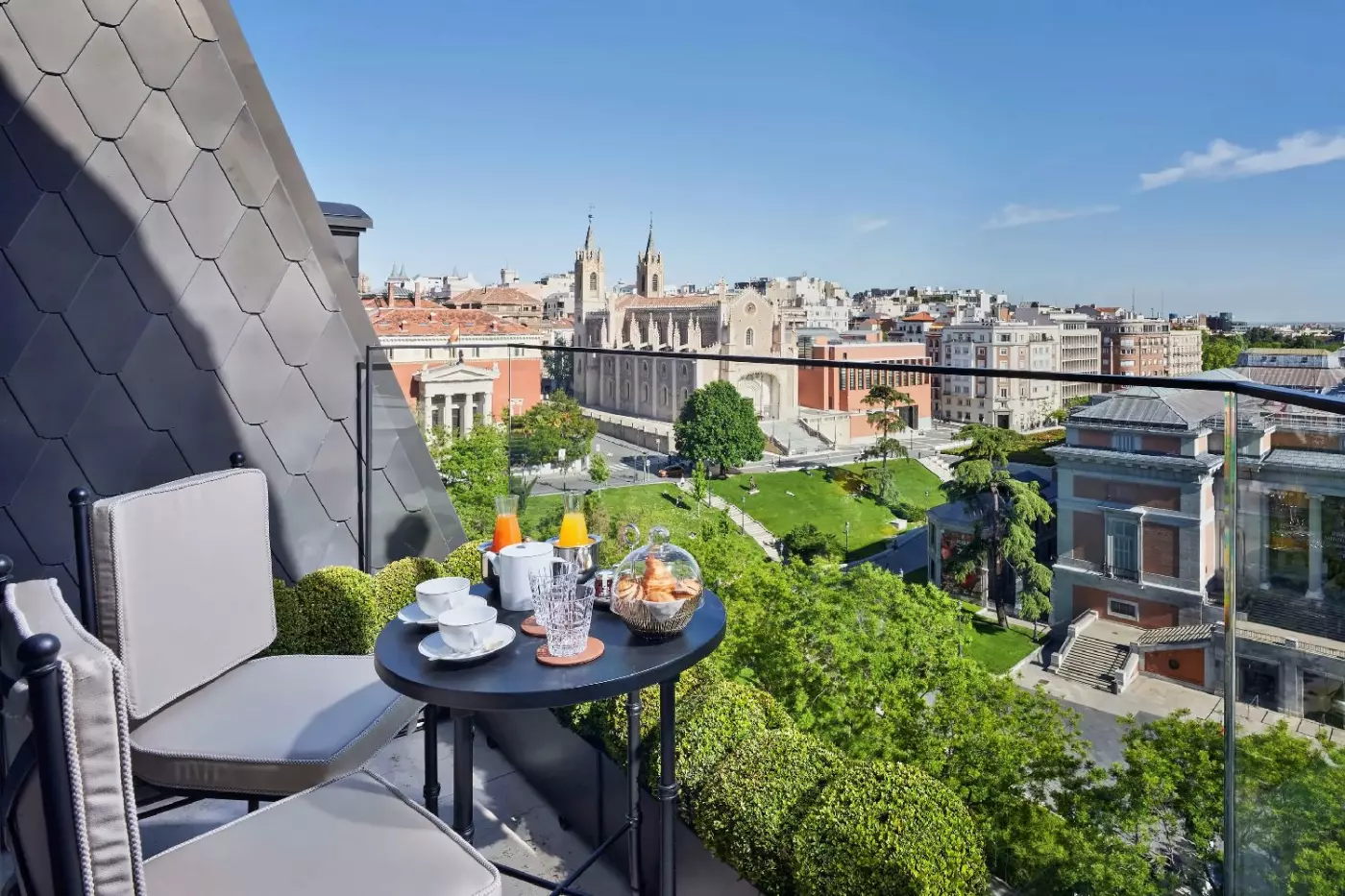
The address changes Saturday morning. There is no need to negotiate traffic before a timed museum entry, and the hotel remains close enough for a genuine pause between culture and lunch. That convenience rewards travellers who prefer depth over volume: two focused hours at the Prado, a walk in Retiro, then time to absorb both.
The building carries ceremony. The Palm Court, Ritz Garden and Pictura preserve the pleasure of a grand hotel, while Deessa gives serious diners a reason to keep an evening on property. The indoor pool and spa offer a quieter reset than a rooftop scene.
Do not book purely for the name. Decide whether the view, historic setting and museum proximity will shape the stay. A courtyard room can be calm but visually restrained; higher categories with landmark outlooks carry more of the emotional value. Guests who want contemporary nightlife may prefer The Madrid EDITION. Those who want fashion shopping at the door will be better placed at Villa Magna.
Rosewood Villa Magna: Salamanca, Shopping and Space to Exhale
Rosewood Villa Magna sits on Paseo de la Castellana with Salamanca and Serrano close by. Its 154 rooms and suites feel more residential than ceremonial. The gardens, dining and wellness slow the weekend without isolating guests from the city.
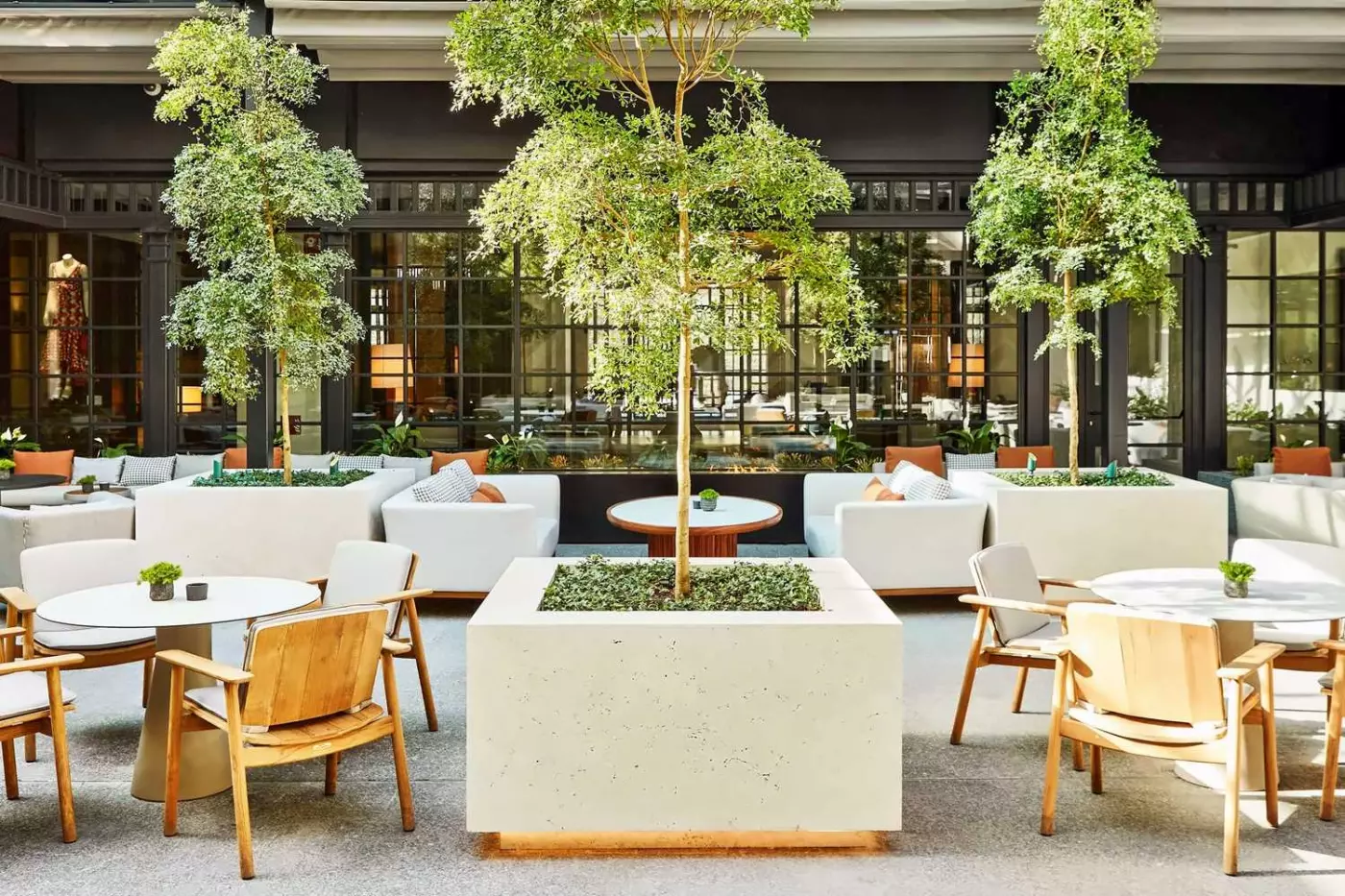
This is the right address when shopping is part of the plan, but it is not only a retail choice. Salamanca brings broad streets, polished restaurants and an easier return after the crowds of Centro. Garden-facing accommodation strengthens the sense of retreat; Castellana-facing rooms connect more directly to the city. The larger suites and top-floor houses make sense for privacy, entertaining or a longer stay, not simply for status. Sense spa adds substance to an afternoon kept deliberately light.
Villa Magna asks guests to accept some movement. The Prado and old centre are accessible, but they are not steps away. In return, the hotel provides a calmer base and a neighbourhood that still works after sightseeing ends. It is the most convincing of these five for travellers whose Madrid is built around Salamanca, good lunches and discreet service.
The Madrid EDITION: Design, Rooftop Energy and Late Nights
The case for The Madrid EDITION begins with contrast. It sits on a relatively calm square near Puerta del Sol, yet the hotel itself is social, contemporary and designed to carry the evening. The 200-key property includes 177 rooms, 21 suites and two penthouses. Some categories add terraces or broader city views.
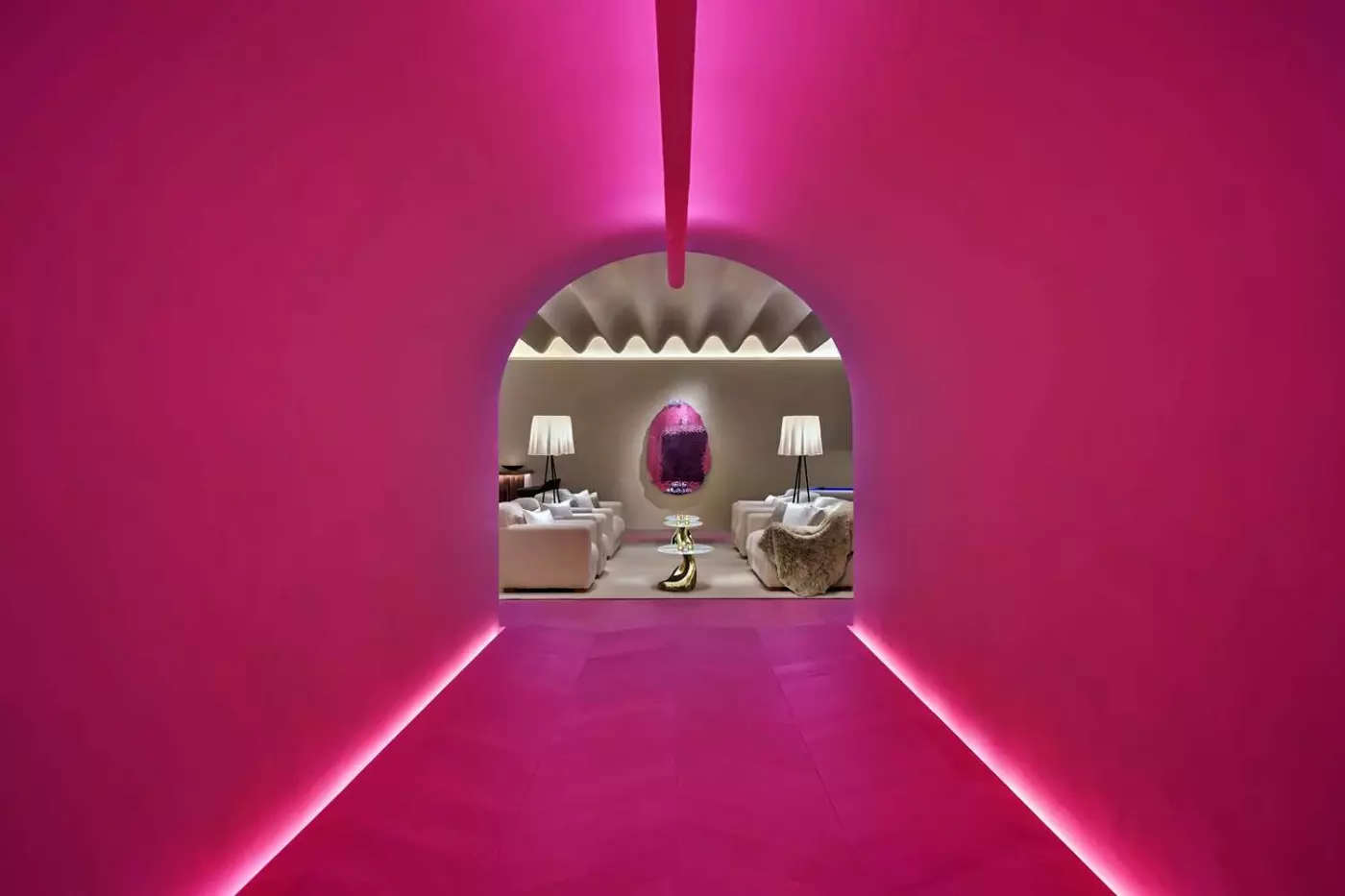
For a two-night friends’ trip or a design-focused weekend, the concentration of restaurants, bars and rooftop space is useful. Guests can spend the day across Centro and return without ending the night. The seasonal rooftop pool and cabanas give the hotel an urban-resort quality, though high-demand seating should never be assumed.
The best room is not automatically the largest. A confirmed terrace or view can add more than extra internal space. Light sleepers should discuss orientation and elevation before booking; a hotel chosen for energy still needs to deliver rest. The EDITION is less suited to travellers who want Belle Époque grandeur, a residential address or the Prado immediately outside. Its strength is a modern Madrid weekend in which the hotel becomes one of the plans.
Santo Mauro: Privacy Behind the Garden Gate
With only 49 rooms and suites, Santo Mauro, a Luxury Collection Hotel offers the most intimate stay in this group. The former residence of the Duke of Santo Mauro is arranged across three buildings around a private garden in Chamberí. Its historic salons and residential scale change the emotional register from the moment of arrival.
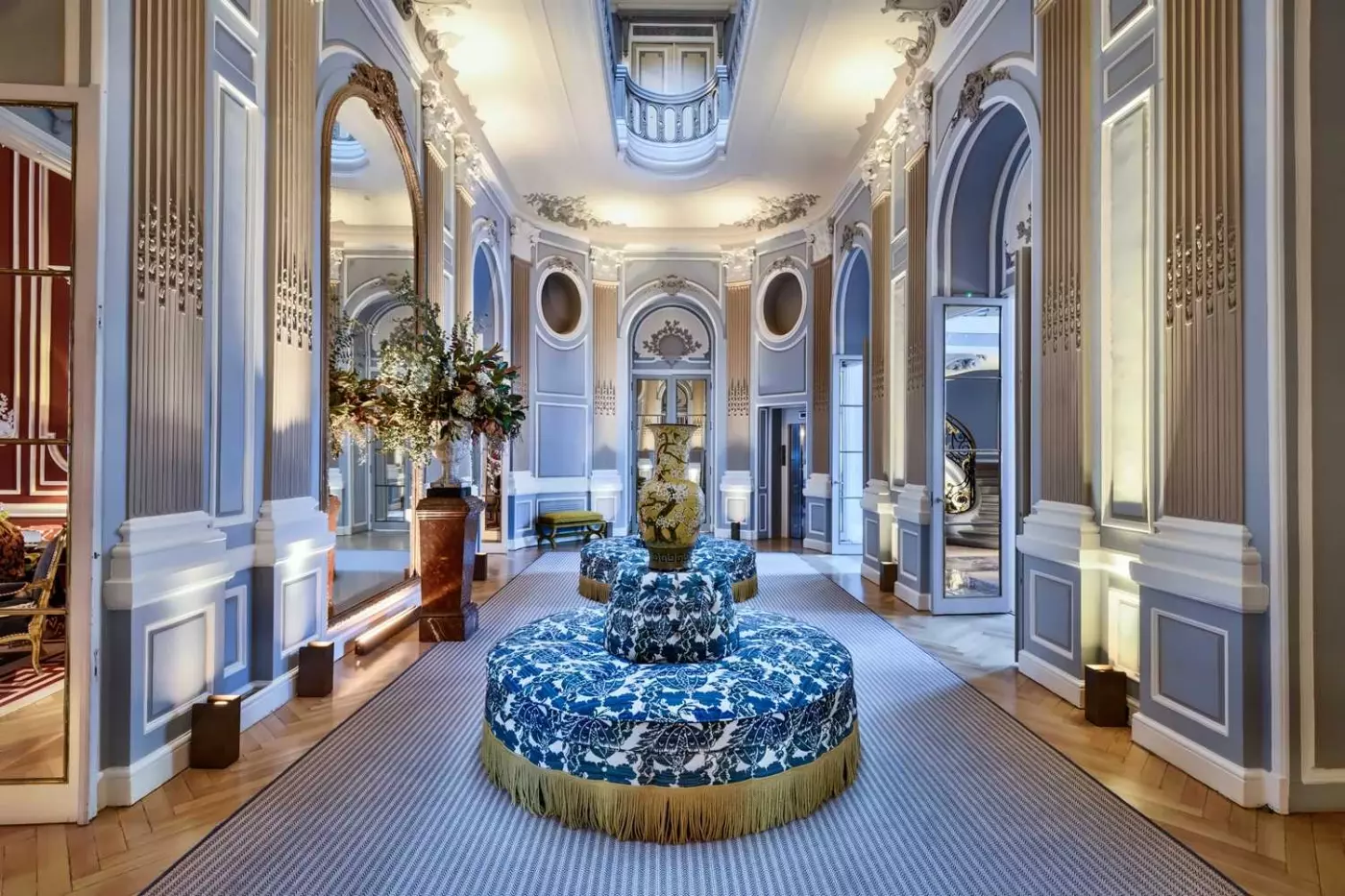
This is the choice for privacy and atmosphere rather than a famous view. The former library now houses La Biblioteca, while the garden gives breakfast or a late drink a setting protected from the capital. Chamberí also suits travellers who know Madrid and want to see more than the central landmarks. Ask about the building before choosing the room. In a converted estate, position can matter as much as category: proximity to the garden, the character of the original palace and the route through the property all affect the stay.
Santo Mauro has fewer facilities than the larger urban resorts. Guests wanting a rooftop pool, a broad spa programme or several lively dining options should choose elsewhere. What it provides is rarer: a small, composed hotel that gives Madrid a private-house cadence.
How to Choose the Right Madrid Hotel
Choose Four Seasons Hotel Madrid for a first visit, maximum walkability and a full-service base that can handle several interests at once.
Choose Mandarin Oriental Ritz, Madrid when the Prado, Retiro and grand-hotel ritual are the centre of the weekend.
Choose Rosewood Villa Magna for Salamanca, shopping, residential polish and meaningful wellness time.
Choose The Madrid EDITION for design, rooftop life, a social hotel and evenings that run late.
Choose Santo Mauro for privacy, garden calm, historic character and a less obvious Madrid address.
The deciding question is not which hotel is most impressive. It is which inconvenience you want to remove. First-time visitors may value centrality. Art travellers need proximity to the museum axis. Shoppers benefit from Salamanca. A short social trip needs energy close to the room. Privacy seekers should not have to cross a vast lobby to find calm.
The PrivateUpgrades Approach
Planning a luxury weekend in Madrid begins with the trip’s purpose. Then compare room categories and current benefits across PrivateUpgrades’ Madrid hotels. This keeps the search across Madrid luxury hotels focused on fit rather than a generic ranking. Eligible bookings may include daily breakfast, hotel credit, upgrade priority, early check-in, late check-out and VIP recognition. The exact package depends on the hotel, rate and dates.
For two nights, timing benefits can be more valuable than a token room improvement. Early access protects Friday. A confirmed late departure, when available, protects Sunday. Breakfast matters when it keeps the morning calm; a hotel credit is strongest when it supports a restaurant or spa visit already built into the plan. Ask for the details that affect the stay: view, terrace, building, connecting configuration, noise sensitivity and the arrival or departure hour.
Madrid Weekend FAQ
Are 48 hours enough for Madrid?
Yes, if the plan is selective. One museum morning, one major neighbourhood each day and a centrally useful hotel can produce a satisfying first impression. Three nights are better for travellers who want several museums, long meals and time in both Centro and Salamanca without compression.
Which area is best for a first weekend in Madrid?
Centro Canalejas and the museum axis are the easiest choices for a first visit. They place Puerta del Sol, Las Letras, the Prado and Retiro within a practical route. Salamanca offers a calmer, more polished base; Chamberí suits repeat visitors and guests who value a residential mood.
Which Madrid hotel is best for museums?
Mandarin Oriental Ritz, Madrid has the strongest museum location of these five, directly beside the Prado and close to the Thyssen-Bornemisza, Reina Sofía and Retiro. Four Seasons Hotel Madrid is also well placed for travellers who want to combine museums with the historic centre.
Which hotel suits a lively Madrid weekend?
The Madrid EDITION is the clearest fit for design, rooftop time, cocktails and a social atmosphere. Four Seasons offers a more polished version of an active central stay, with rooftop dining and a substantial wellness centre.
When is the best time for a weekend in Madrid?
Spring and autumn usually offer the easiest conditions for walking, terraces and park time. Summer can be intensely hot, making a hotel pool, shaded lunch and afternoon rest more important. Winter has a quieter cultural rhythm and can suit museum-focused trips, though outdoor plans require flexibility.
What should be confirmed before booking?
Confirm the room outlook, terrace or balcony access, bedding, connecting arrangements, breakfast terms and the status of early arrival or late departure. Spa appointments and important restaurants should be reserved in advance. Seasonal pools, rooftop access and outdoor seating remain subject to weather and hotel operations.
Madrid does not need to be conquered in a weekend. Choose the right radius, protect the long lunch and let the hotel carry part of the experience. The city will leave enough unfinished to justify the return.