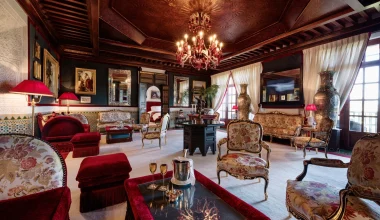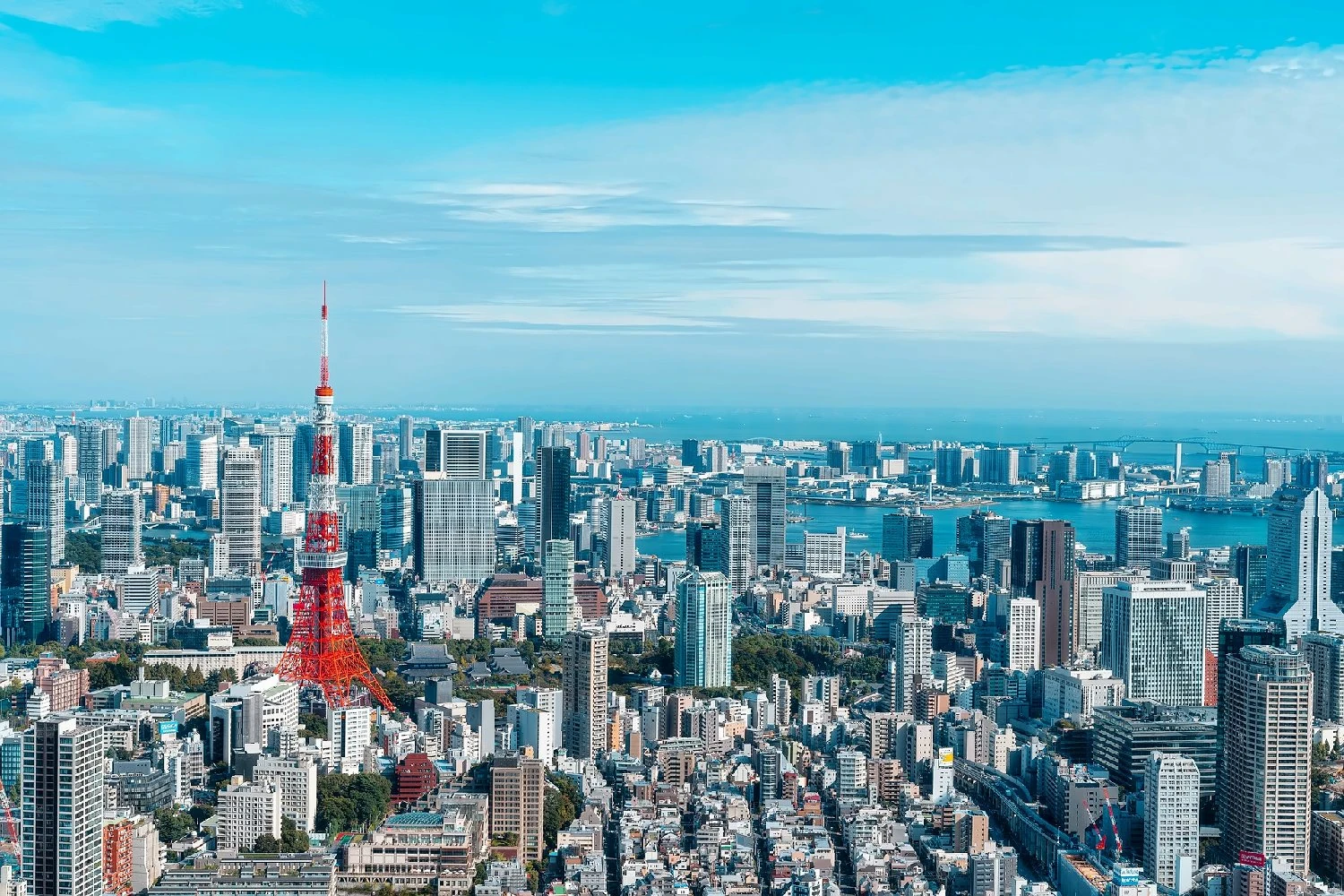
Tokyo is worth visiting for the range of pleasures it puts within a single day: an exhibition in Roppongi, the food halls of Nihonbashi, a walk beside the Imperial Palace and dinner that deserves an evening of its own. The difficulty is deciding what to leave out. A satisfying first trip needs fewer cross-city journeys and more time in the places that interest you.
Its hotels are part of that appeal. A garden-facing address in Hibiya feels different from a retreat high above Otemachi, even when both offer easy access to central Tokyo. Here are five reasons to make the journey, with a hotel that gives each one a useful starting point.
Food and craftsmanship reward an unhurried afternoon
Nihonbashi brings together long-established shops, department stores and contemporary architecture. Mitsukoshi and Takashimaya make browsing as compelling as shopping: leave room in the day for their food floors instead of treating lunch as a gap between reservations. The pleasure is in looking closely, from the wrapping of a small purchase to the choice of something seasonal to eat.
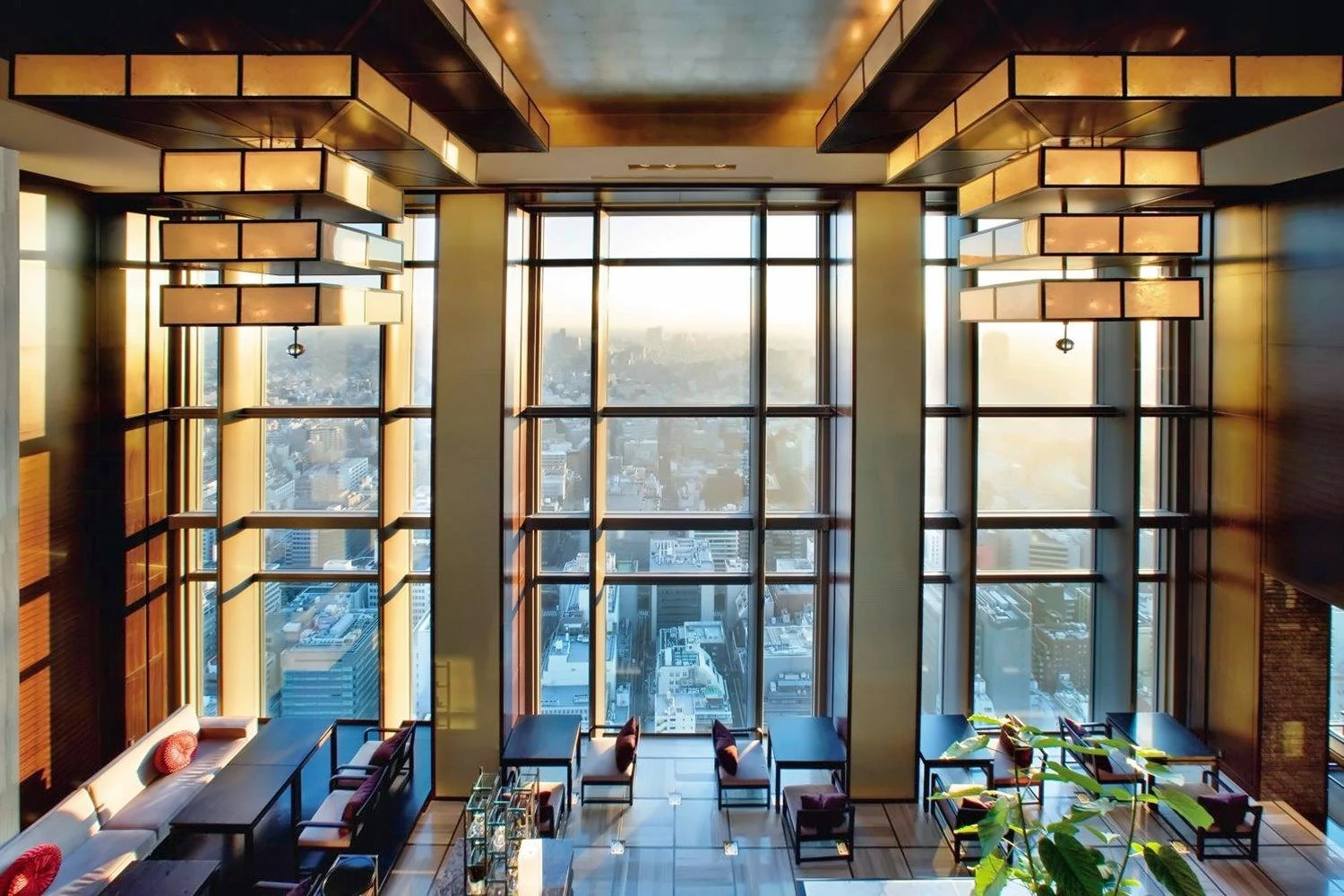
Mandarin Oriental, Tokyo places you in Nihonbashi itself. It suits a stay with food and craft at its center, particularly if you prefer exploring one district properly to collecting landmarks across the city. This is a different proposition from staying amid Shibuya’s evening crowds.
For dinner, choose one reservation that genuinely matters and let the rest of that day remain flexible. A succession of elaborate meals can become tiring, especially just after a long-haul flight. Tokyo deserves an appetite as well as an itinerary.
Art and design extend well beyond the galleries
Roppongi is a convincing reason to visit in its own right. The Mori Art Museum, the National Art Center, Tokyo and the Suntory Museum of Art offer distinct programs rather than one interchangeable museum experience. At Tokyo Midtown, the Suntory Museum’s Kengo Kuma-designed setting makes the building part of the visit.
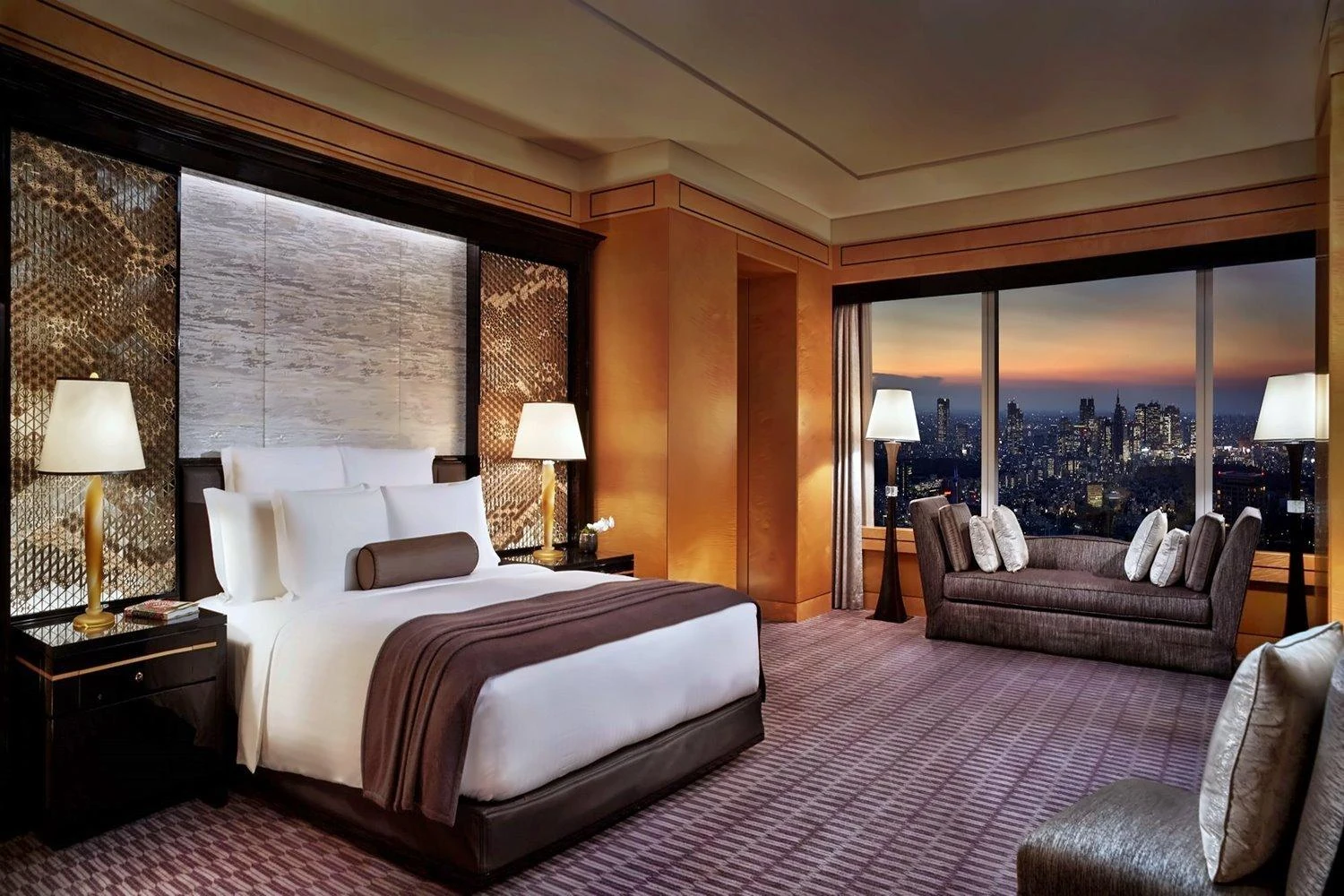
The Ritz-Carlton, Tokyo occupies the upper floors of Midtown Tower in Roppongi. For an art-led trip, the address is more useful than a generic promise of being “central.” You can build a day around the district and return to a room above the city before dinner.
Allow the exhibitions to determine the order of your visits. Three museums in a day would leave little time for the surrounding streets; one substantial exhibition, followed by lunch and a walk, is the more enjoyable plan.
Quiet spaces change the experience of a very large city
Tokyo’s scale need not dictate the pace of your stay. Hibiya Park and the landscape around the Imperial Palace provide a welcome change after shopping or a busy station. Scheduling this breathing space is especially useful on the first morning, when an ambitious sightseeing program may be less appealing than it looked at home.
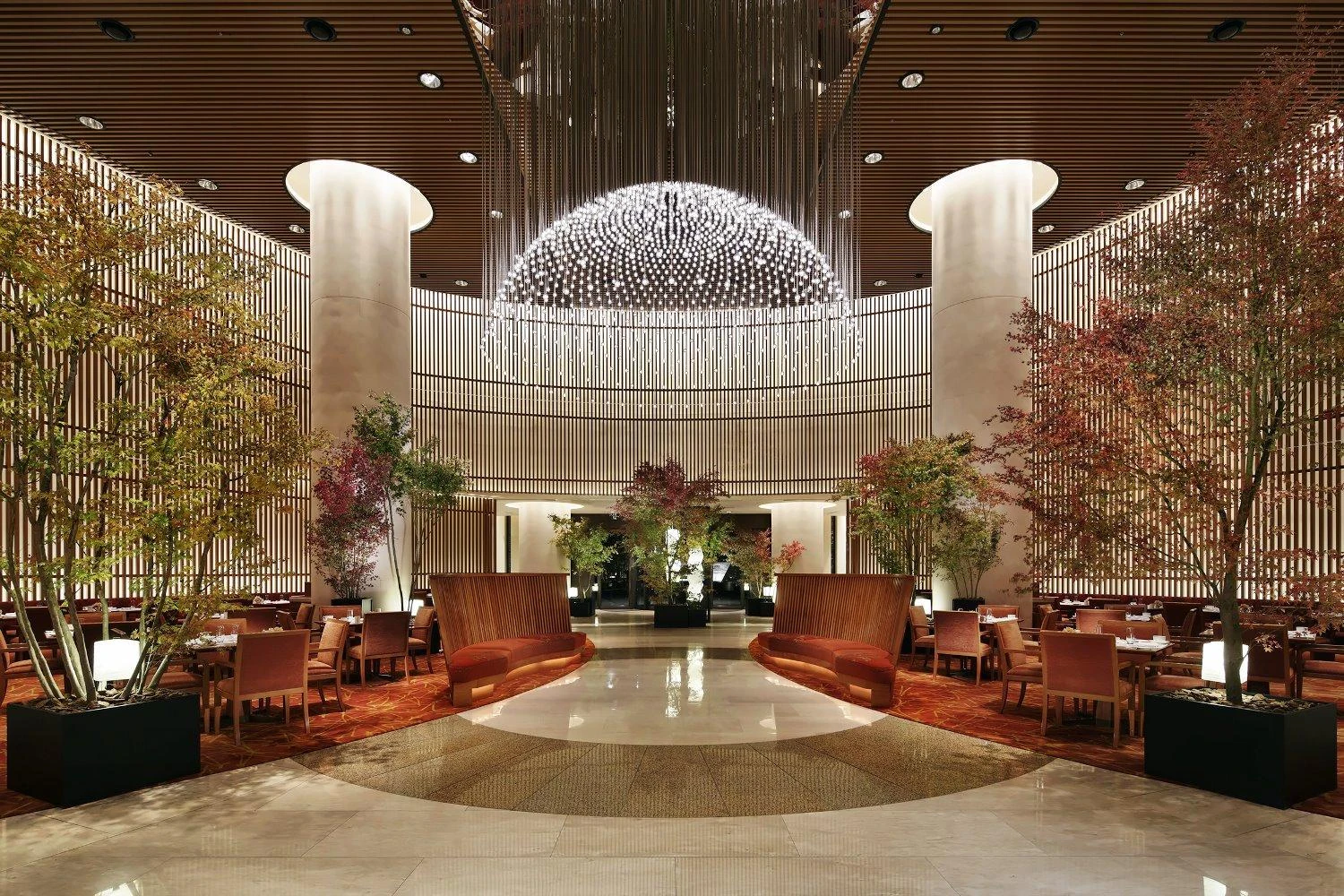
The Peninsula Tokyo stands opposite the Imperial Palace and Hibiya Park, within walking distance of Ginza. That combination works well for travelers who want shopping and restaurants without giving up a nearby place to walk. The location, rather than an extra facility you might never use, is the reason to put it on your shortlist.
The hotel can be a reason to slow down
At Aman Tokyo, the 30-meter indoor pool and Otemachi setting offer a persuasive argument for keeping part of an afternoon free. There is little sense in choosing a hotel for its spa and then returning only in time to sleep.
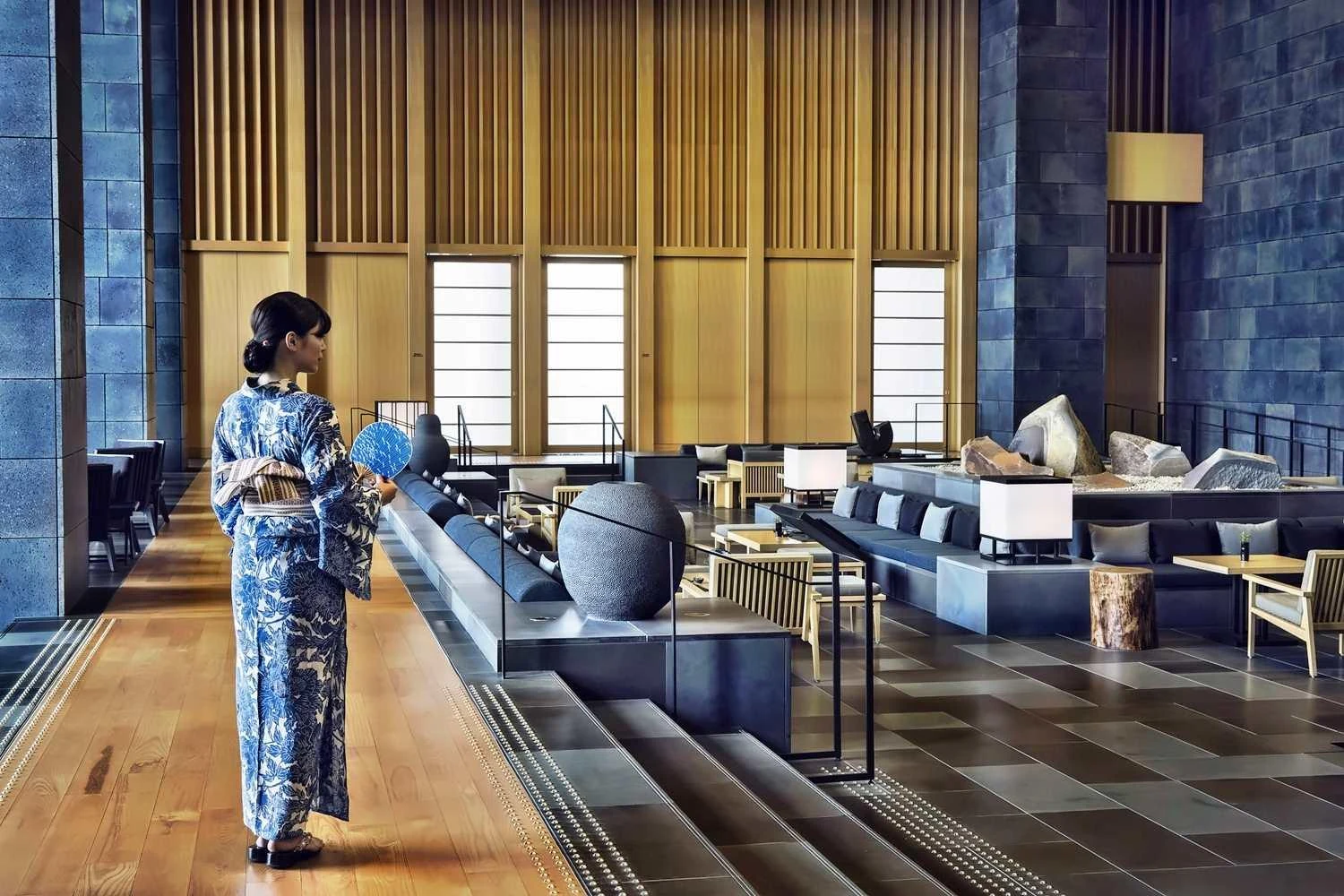
The hotel’s onsen-style baths should not be confused with a stay at a countryside hot-spring ryokan. This is an urban retreat, with the city still central to the experience. It is particularly appealing when you want the contrast between busy streets and generous space back at the hotel.
A skyline view is worth paying for if you intend to enjoy it over breakfast or before dinner. If most of your waking hours will be elsewhere, prioritize the location and the room layout. A photograph of a spectacular suite does not describe every category in the building.
Tokyo makes a generous beginning to a wider Japan journey
Shangri-La Tokyo is beside Tokyo Station, an especially practical address when your trip continues by Shinkansen. The appeal is not simply the train connection: staying here also places Marunouchi and Nihonbashi within the natural orbit of your visit.
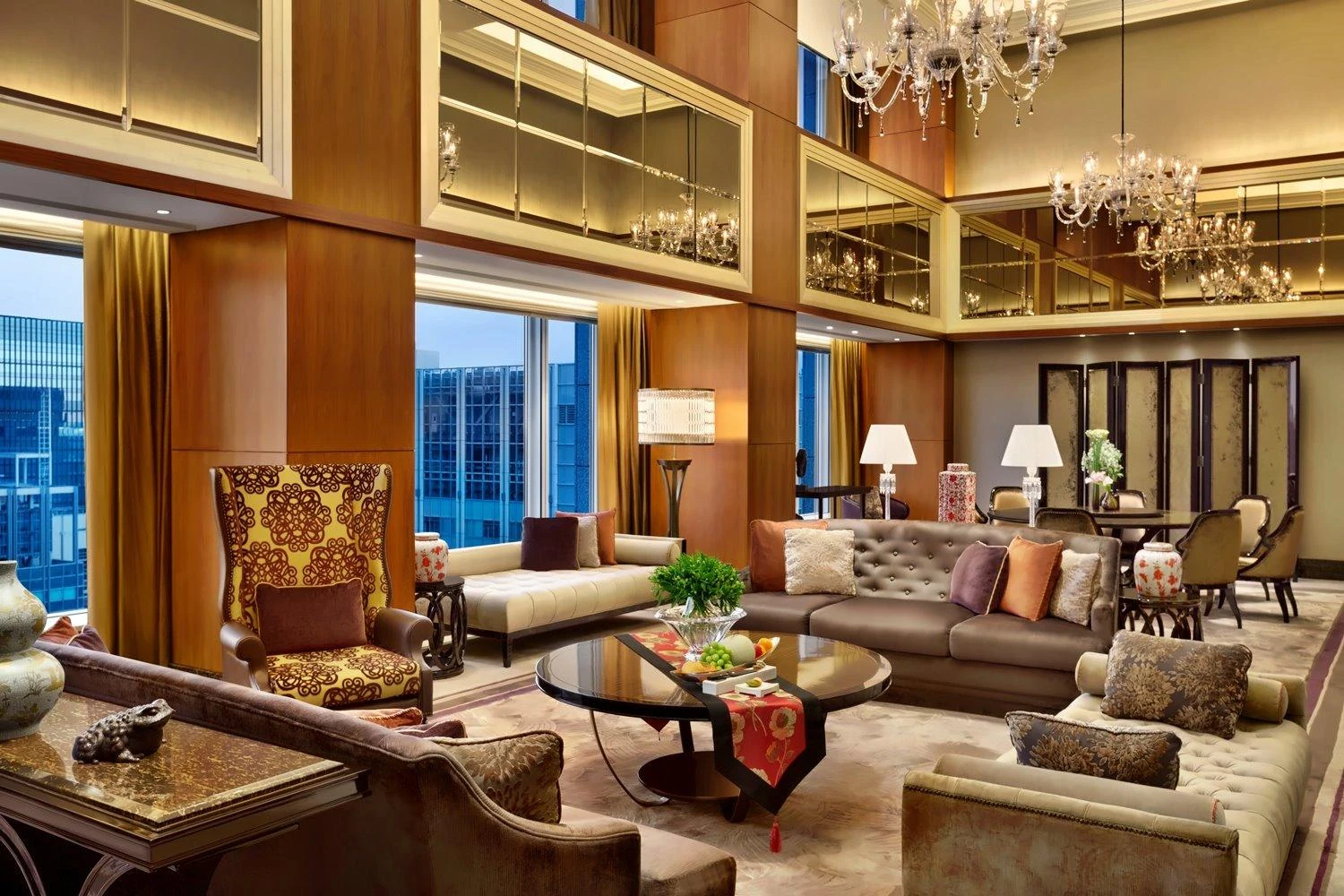
Resist reducing Tokyo to an overnight stop before Kyoto. For a first visit, we would allow four or five nights if the wider journey permits it. That is a suggested pace, not a minimum needed to see a fixed list of sights. It gives you room for an arrival day, several contrasting districts and a return to somewhere you enjoyed.
Turn those interests into a stay that works
Choose your main interests before choosing the address. For a closer comparison of locations, our Tokyo neighborhood guide separates the hotel areas; our 48-hour Tokyo itinerary is useful when time is limited.
Your PrivateUpgrades Travel Designer coordinates the selected room category, arrival arrangements and applicable benefits. Breakfast for two and a hotel benefit are included with PrivateUpgrades bookings; upgrades and flexible check-in or check-out remain subject to availability unless specifically confirmed. For a trip shaped by food, art and a few quieter hours, that clarity is more useful than a long list of possible extras.