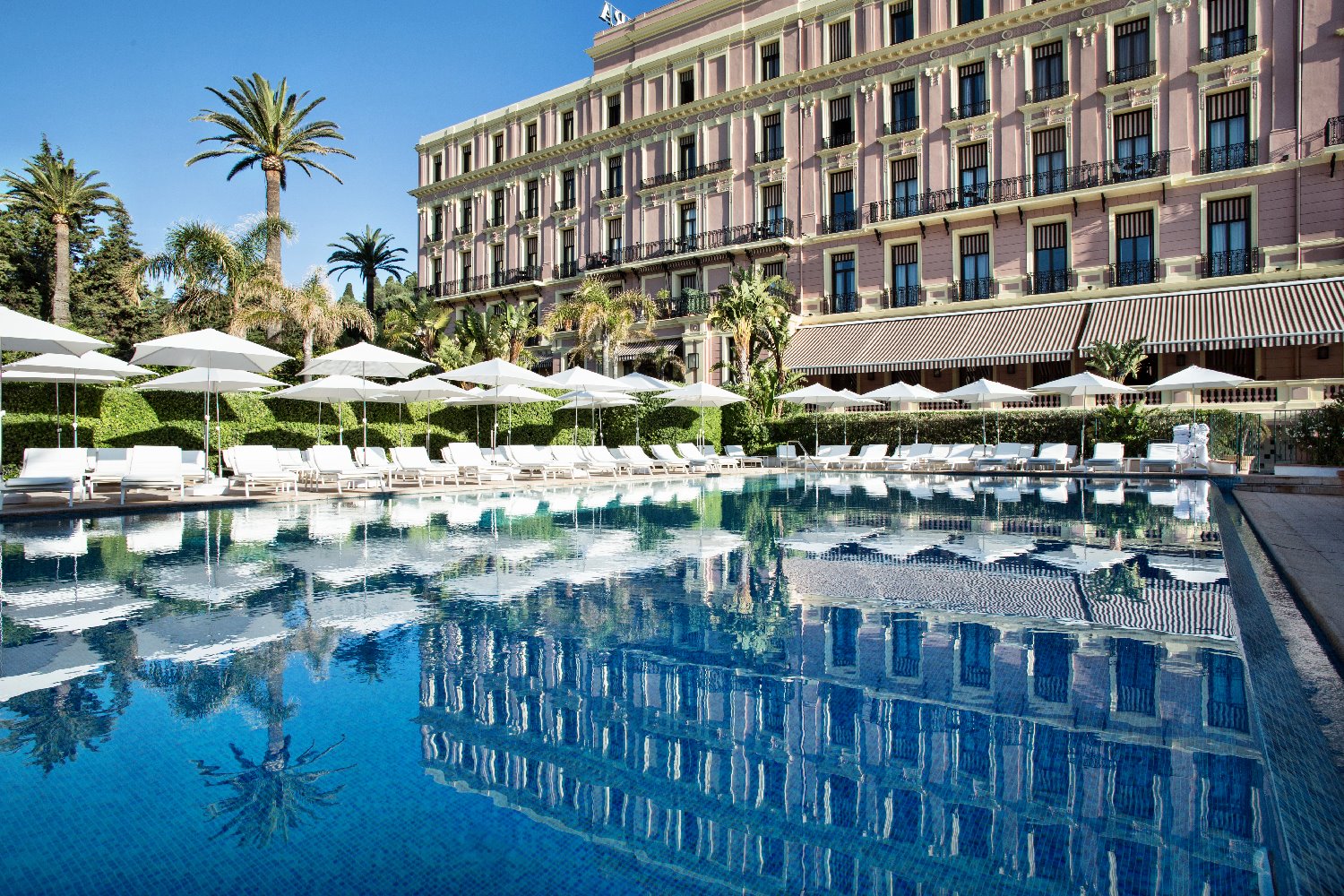
Luxury travel in 2026 has entered a more refined, self-assured era. The exuberance of constant movement has given way to discernment. High-end travelers aren’t just visiting places anymore. They’re curating experiences that connect with them on an emotional, architectural, and cultural level.
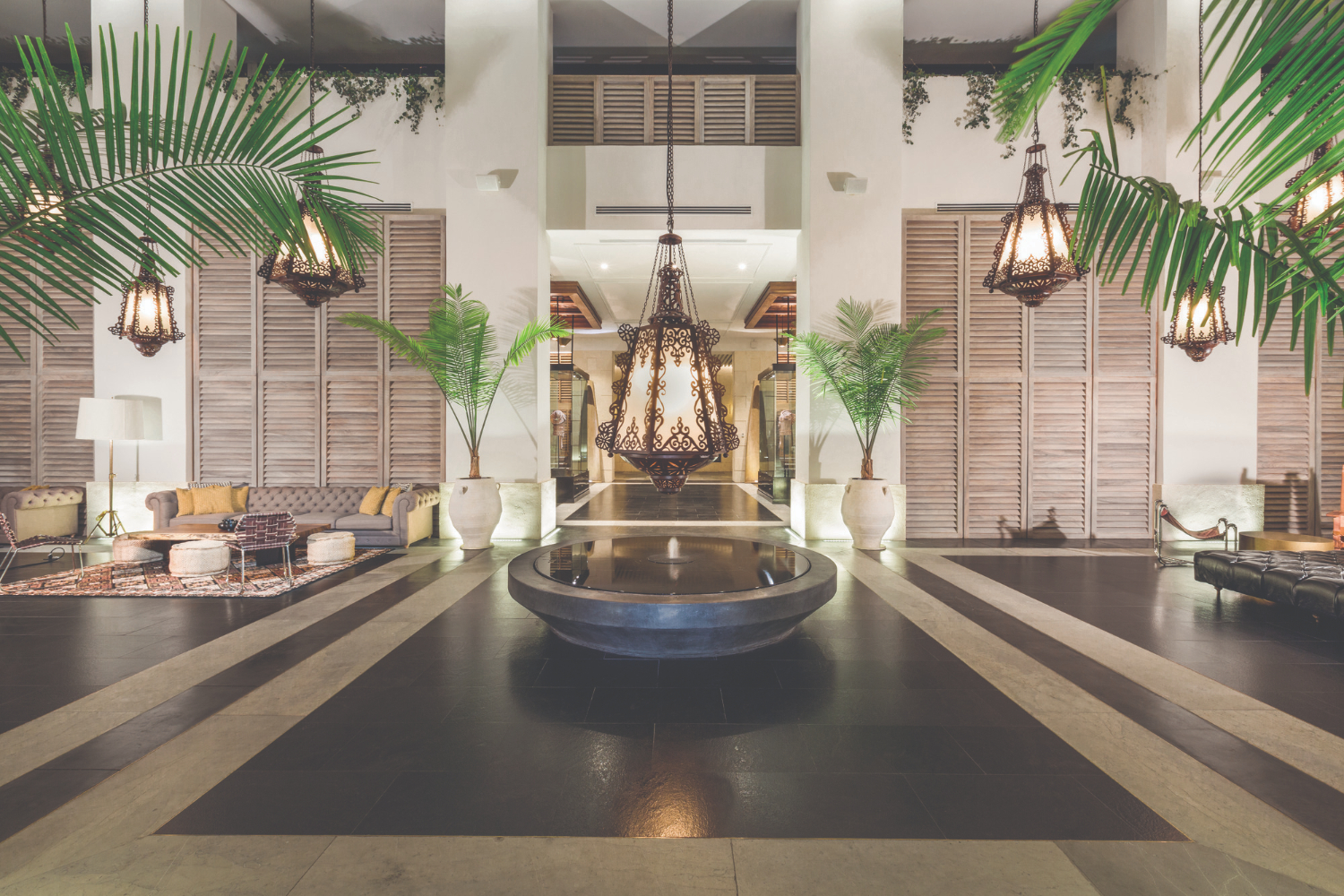
Today’s luxury traveler is informed, visually literate, and deeply aware of value beyond price. They know that true luxury is rarely loud. It’s measured in space, not scale. It’s about atmosphere, not amenities. It’s how a hotel makes you feel on the third morning – not just the first impression.
In 2026, the most sought-after destinations and hotels around the world have one thing in common: they offer clarity. Clarity of design. Clarity of purpose. Clarity of place.
Here, we look at the main luxury travel trends for 2026. We’ll see which destinations and hotels attract sophisticated travelers.
Space as the New Status Symbol
If there is one defining luxury trend of 2026, it is space.
Not the theatrical kind – vast lobbies or oversized resorts – but personal space. Distance. Breathing room. The ability to be alone without feeling isolated. This is why destinations where space is built into geography are outperforming almost all others.
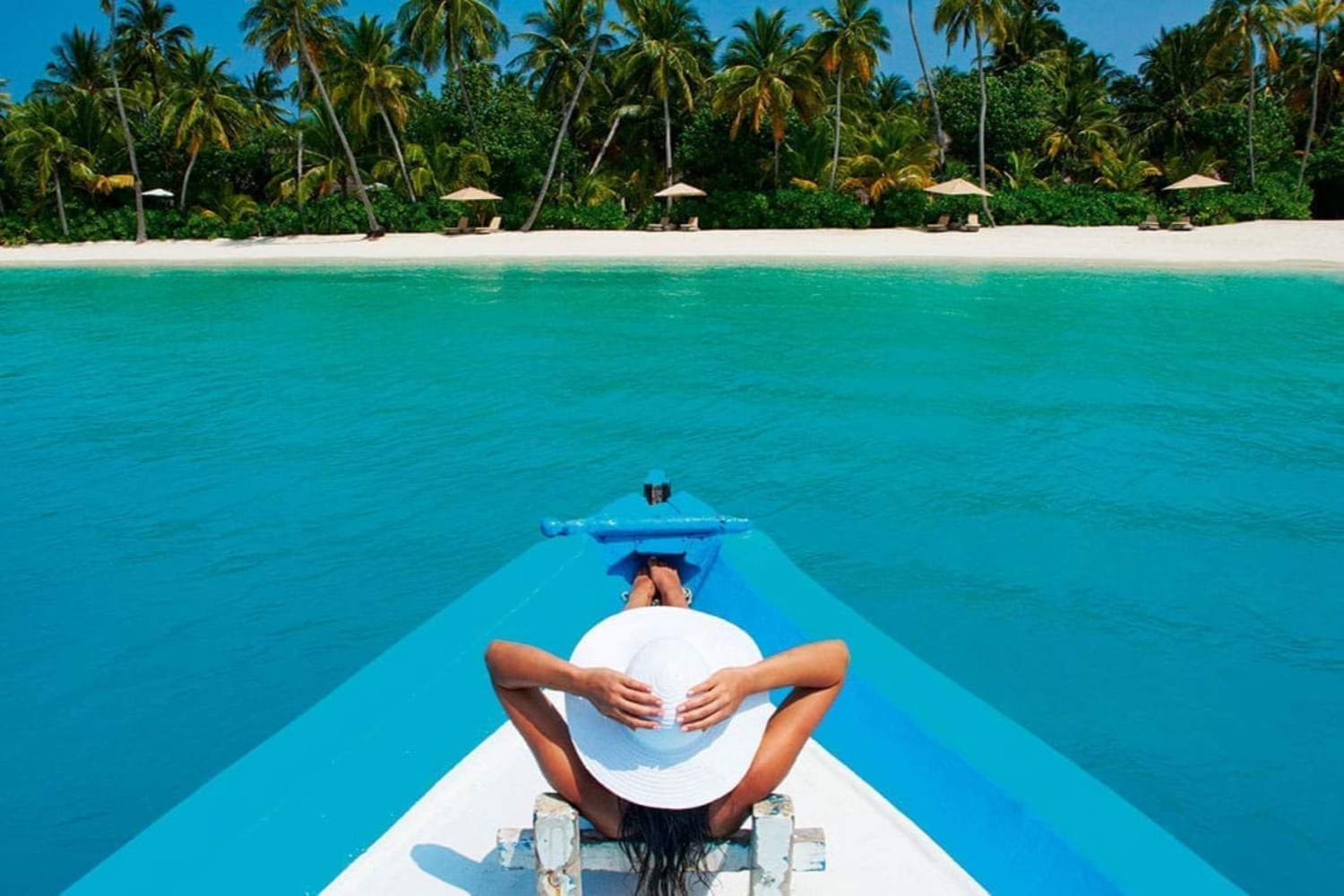
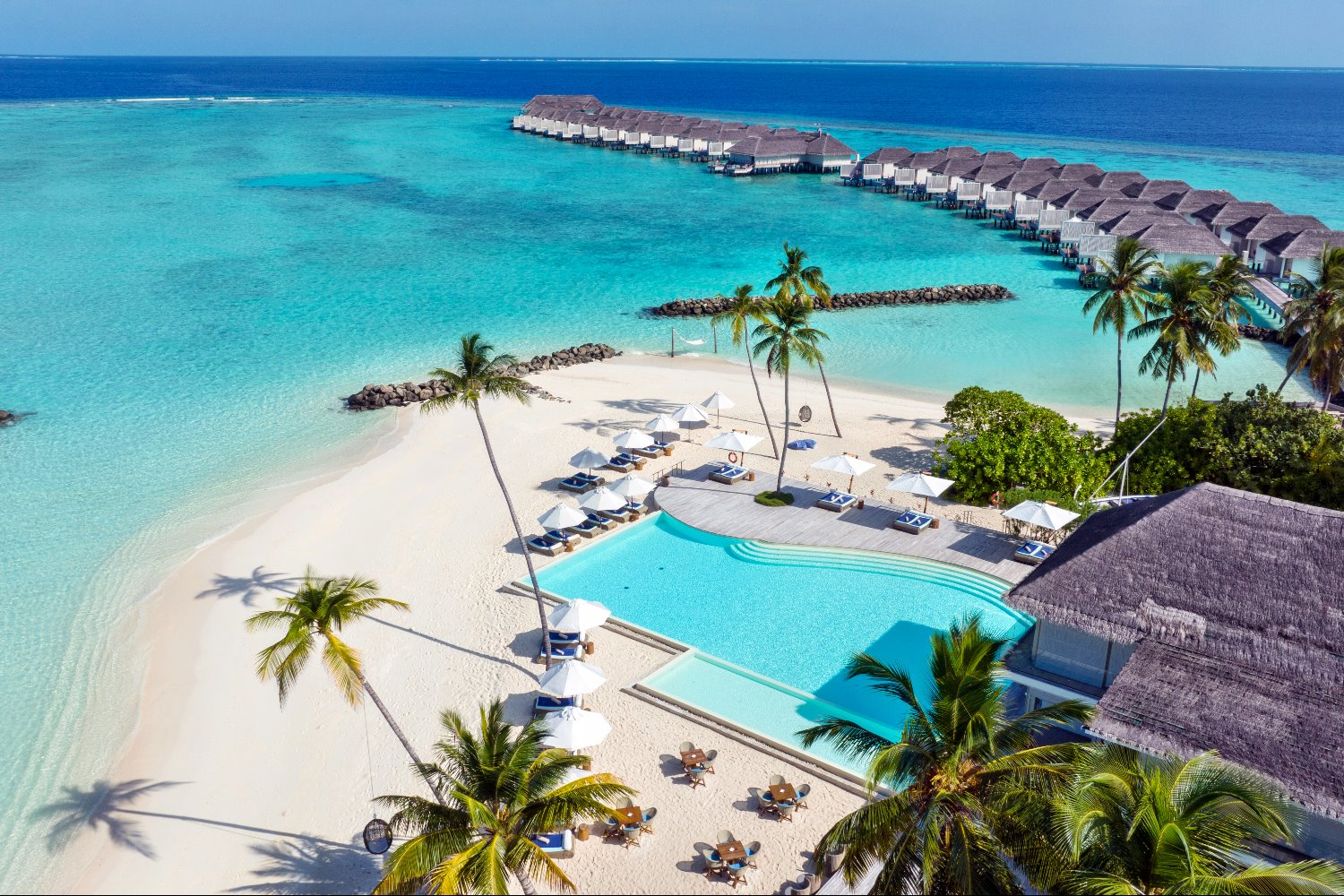
The Maldives remains the clearest example. What travelers are booking here is not just turquoise water or overwater villas – it is the certainty of privacy. Separation is not a request; it is a given.
Properties like The Nautilus Maldives, Six Senses Laamu, and Banyan Tree Vabbinfaru show what space means in 2026. These villas offer privacy, natural views, and designs that prioritize emotional calm over flashy looks.
Travelers looking at PrivateUpgrades’ Maldives collection have a clear booking trend. They pick higher room categories. They stay longer. They also prefer resorts that feel personal, not huge.
Space has become a status symbol because it is hard to replicate. And in 2026, rarity matters.
Cultural Capitals, Chosen with Precision
Cities remain central to luxury travel, but the way high-end travelers engage with them has changed profoundly.
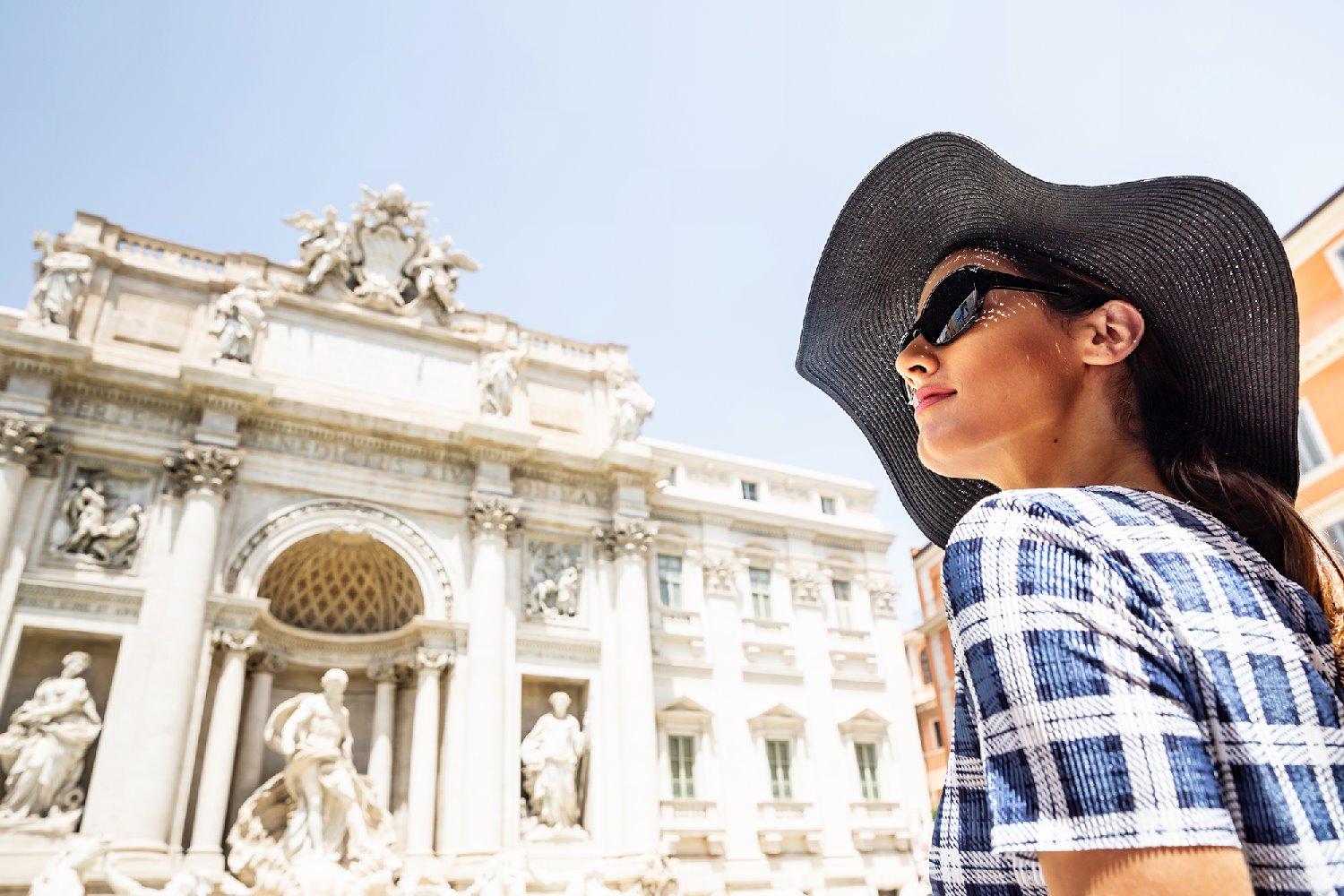
In 2026, cultural capitals are not booked at the last minute. They are chosen carefully and revisited often. Hotels serve as cultural hubs, not just places to stay.
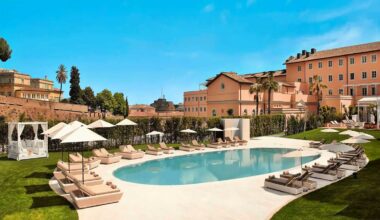
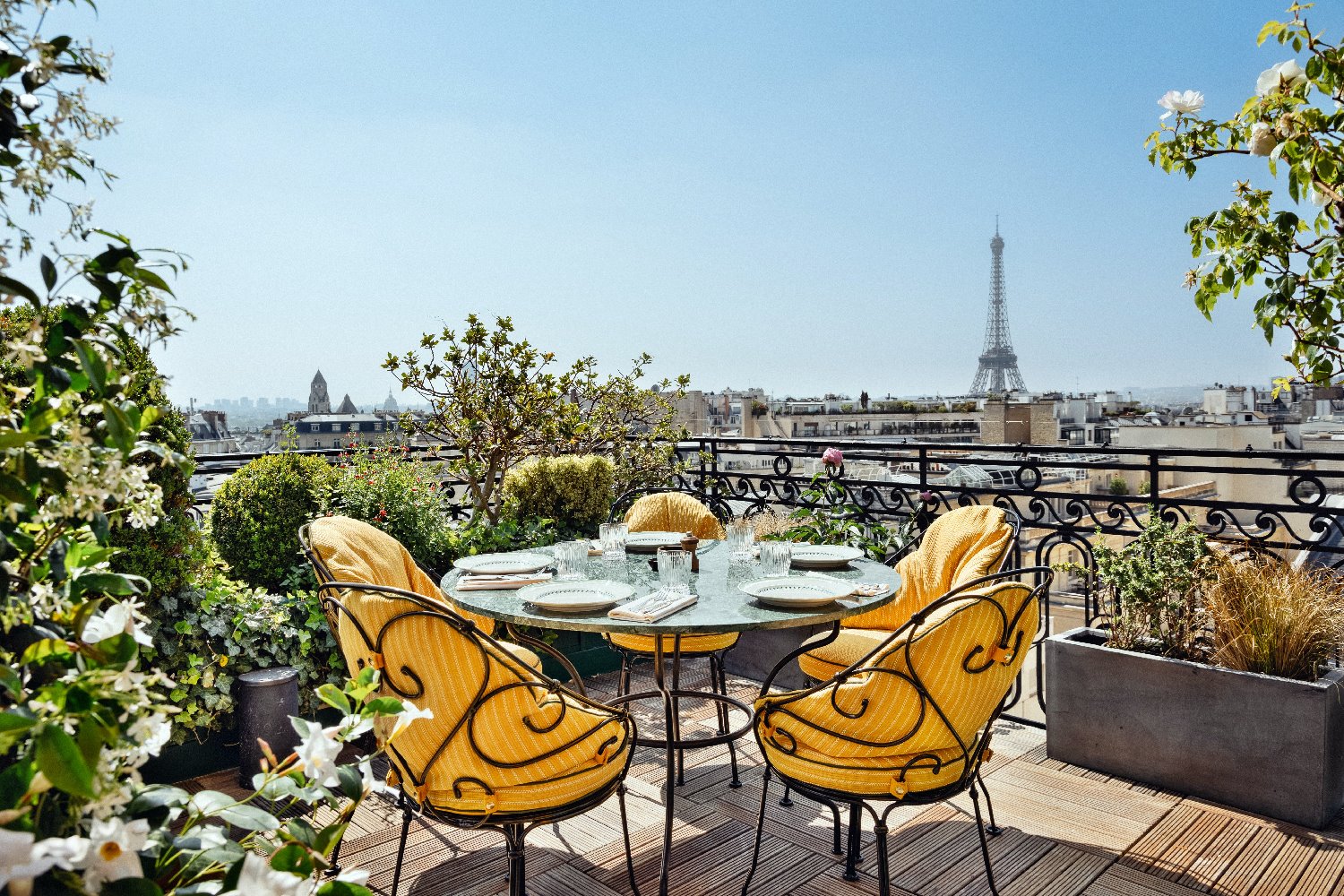
In Paris, travelers prefer hotels that feel like home – charming, elegant, and truly Parisian. These spots invite walking, relaxing, and enjoying the sights. In Rome, intimate historic properties embedded in centuries-old architecture outperform larger, modern statements. In London, classic hotels with contemporary restraint remain the safest – and smartest – choice.
Rosewood Hotels & Resorts, Raffles Hotels & Resorts, and Four Seasons Hotels and Resorts are top brands. They lead in these destinations. They know how to tell a good story. Their properties are not interchangeable; they are contextual.
Travelers looking at PrivateUpgrades’ Hotel Collection enjoy access. They connect with culture and explore neighborhoods. They feel a sense of belonging, not just observation.
Luxury cities in 2026 reward those who slow down.
When the Hotel Becomes the Destination
One of the most defining shifts in luxury travel is the rise of experience-led destinations, where the hotel itself is the main reason to travel.
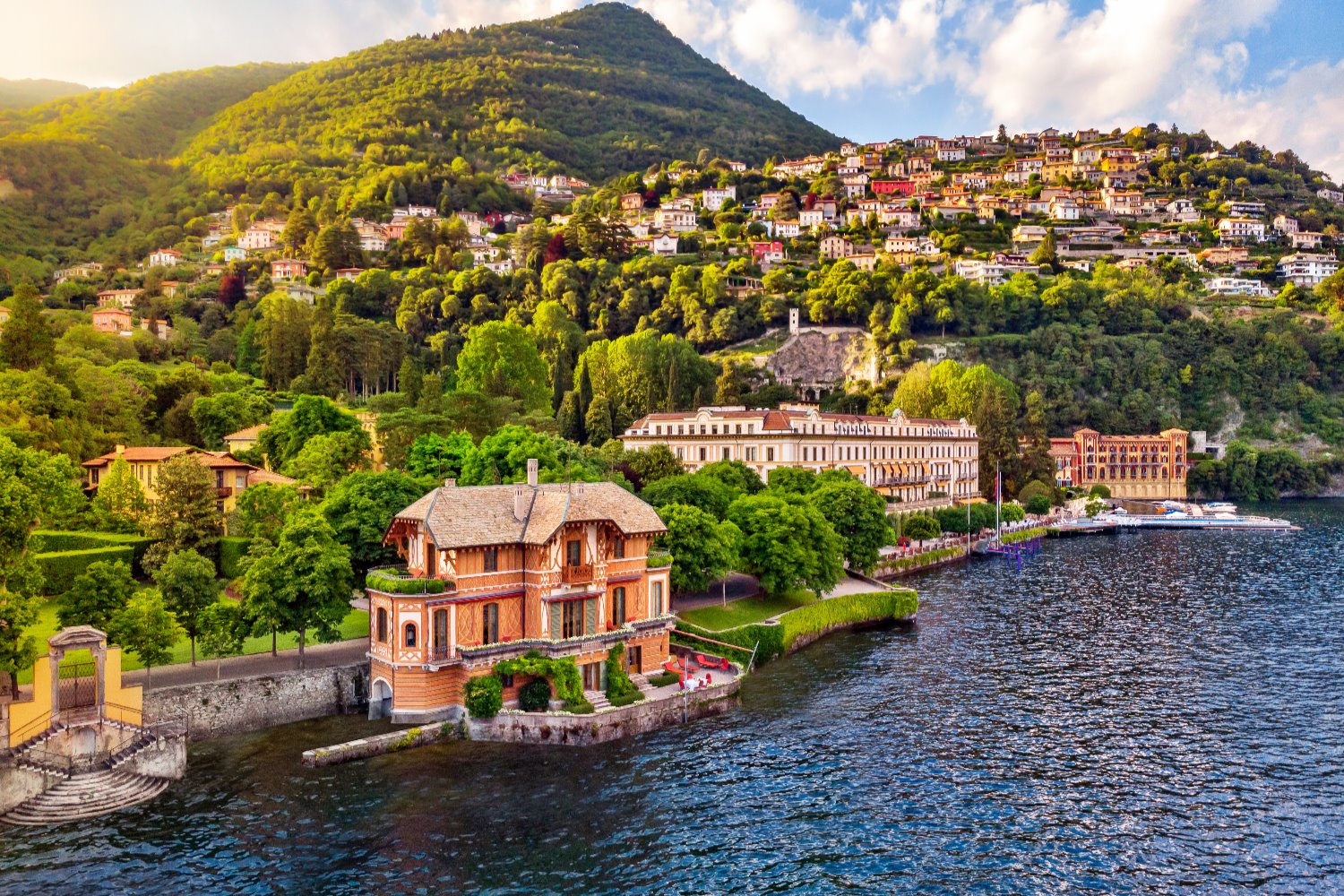
These are not places chosen for proximity to landmarks. They are picked because the hotel creates a sense of emotional wholeness. Its architecture, landscape, service, and rhythm blend perfectly. This makes leaving feel like something you don’t want to do.
Aman Resorts clearly shows this philosophy. Their properties focus on restraint. They embrace silence and show architectural humility. Similarly, Six Senses continues to attract travelers seeking sensory clarity rather than stimulation.
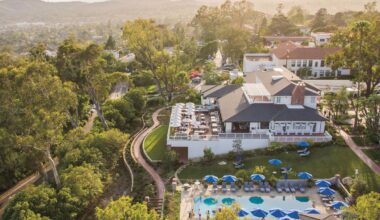
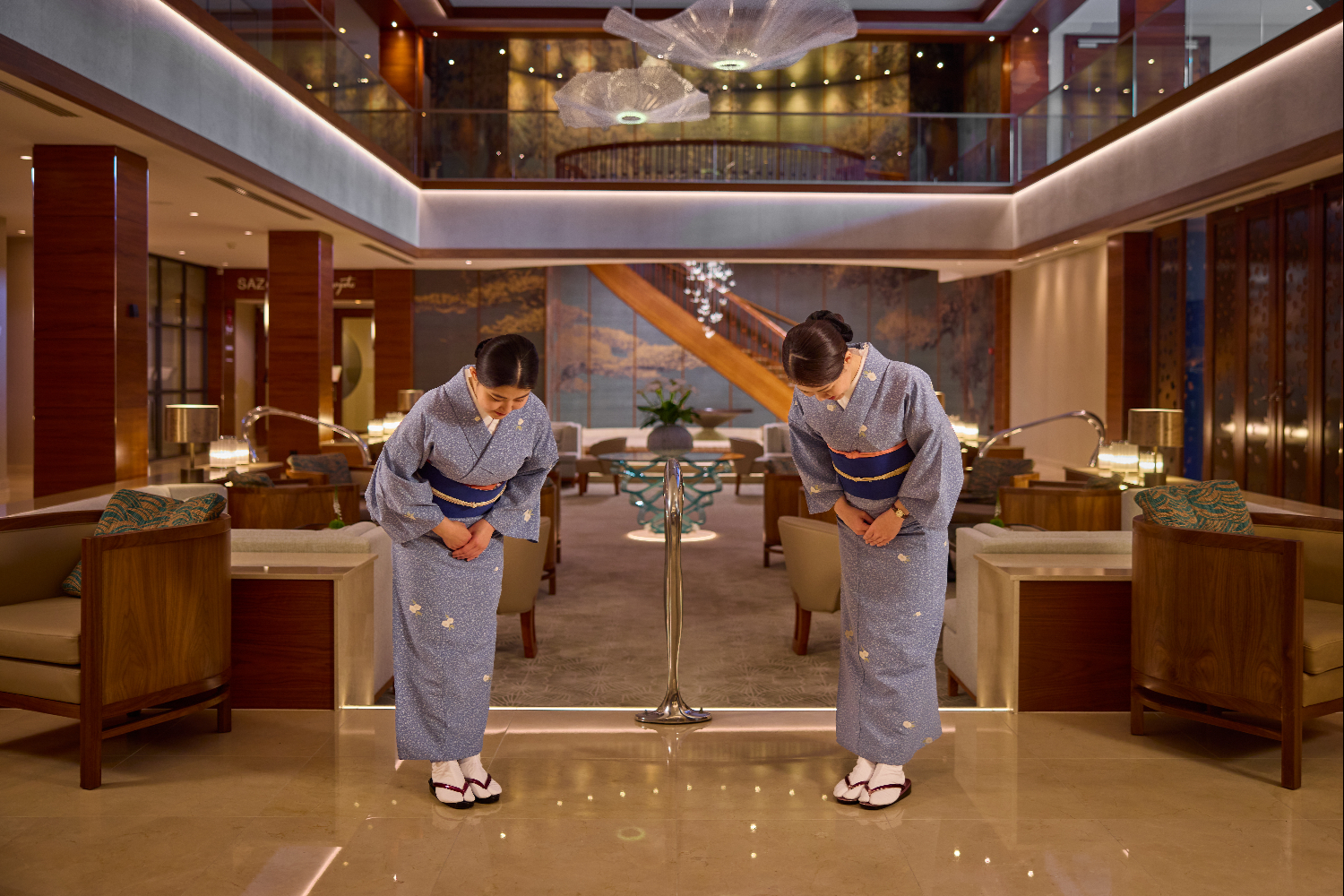
In Italy, countryside resorts nestled among vineyards, hills, and lakes are booked for their sense of place as much as their comfort. In Japan, luxury hotels blend modern design with traditional style. This appeals to travelers who want cultural authenticity and comfort.
PrivateUpgrades has a curated portfolio of resorts. These hotels attract longer stays and repeat guests. This is a clear sign of emotional loyalty.
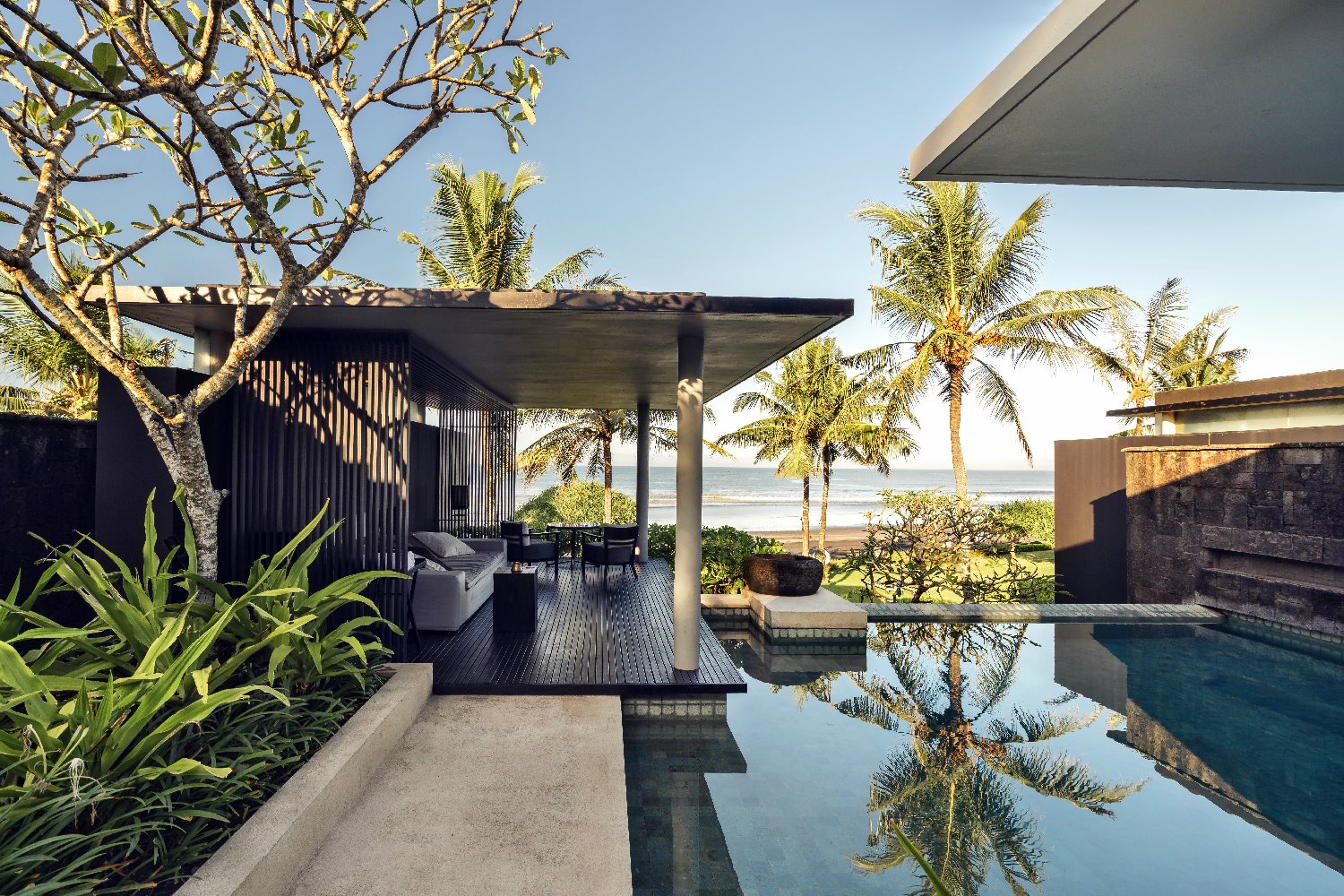
Desert Luxury and the Power of Silence
While islands deliver privacy through water, deserts deliver it through silence.
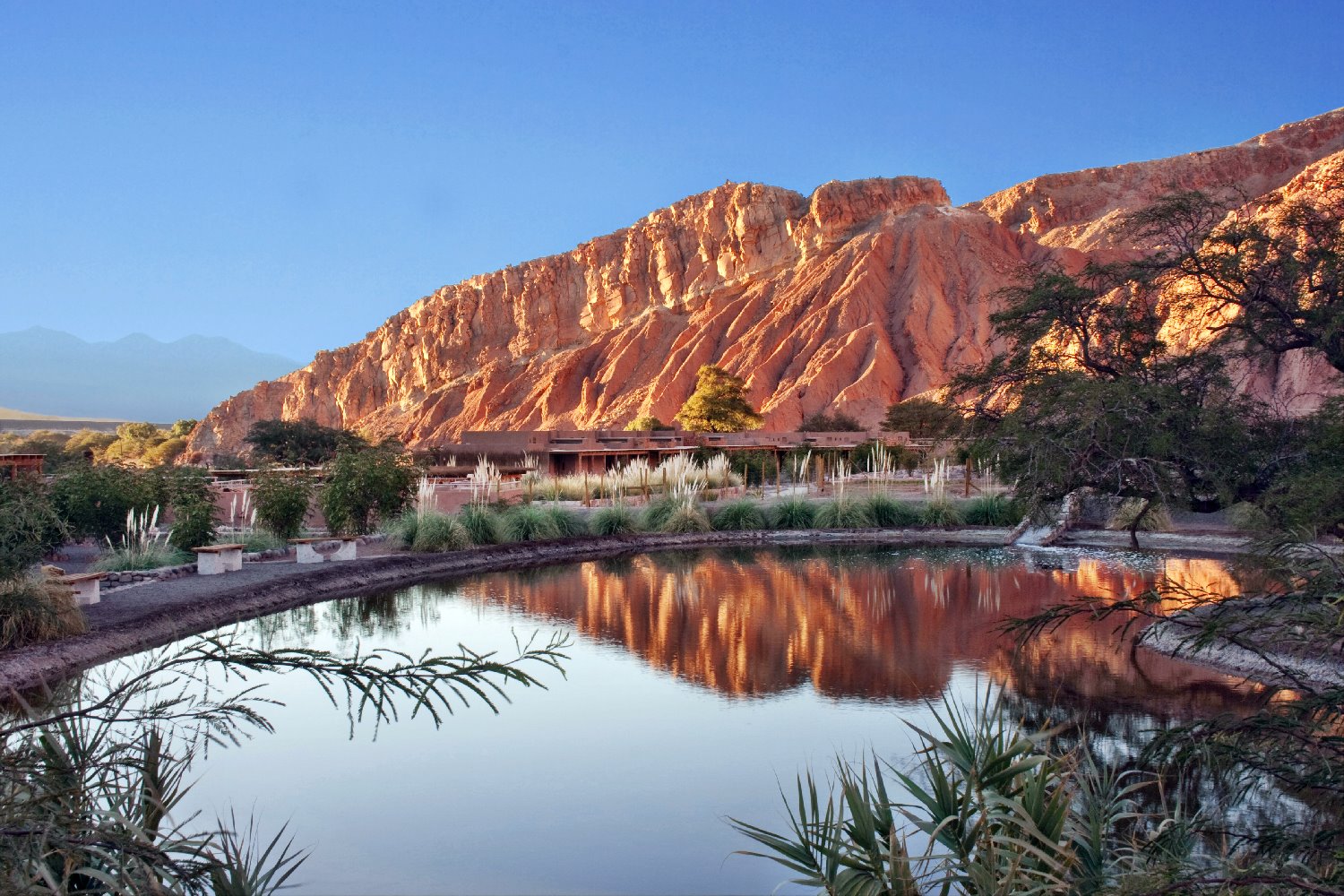
The United Arab Emirates remains one of the most strategically booked luxury destinations in 2026, but not for the reasons it once was. The focus has shifted away from spectacle toward stillness.
High-end travelers are drawn to resorts outside city centers. These places have architecture that frames the landscape. It enhances the view instead of competing with it. Private villas, open horizons, and controlled minimalism define this trend.
For guests checking out PrivateUpgrades’ Middle East hotels, the appeal lies in trust and a bit of space. They enjoy warmth, excellent service, and a calm that’s hard to find in busier spots.
The desert, in 2026, represents luxury at its most elemental.
The Return of Iconic Resorts – with Conditions
In 2026, many new hotels opened. However, people are also valuing established luxury resorts again, but only if they’ve changed and improved.
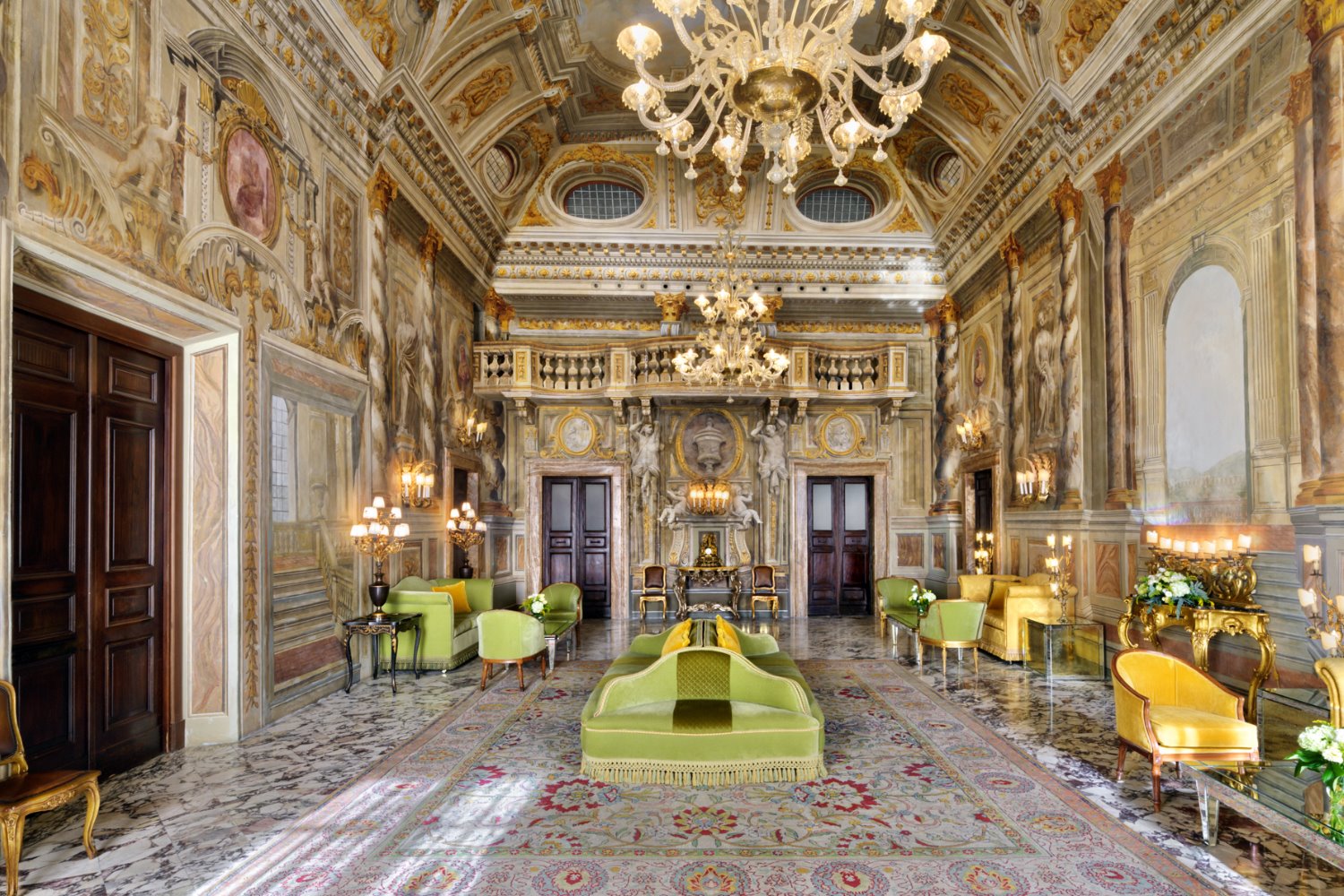
Brands like The Ritz-Carlton, Fairmont Hotels, and Four Seasons do well. They provide something rare: predictability, but without becoming stale.
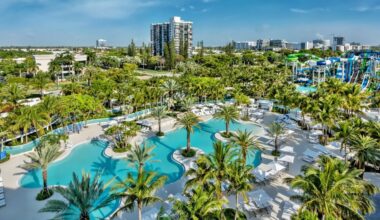
Destinations like the Caribbean benefit from this trust. Travelers come back knowing what to expect: climate, service, and space. They pick properties with clear room levels and good upgrade options.
In 2026, loyalty is no longer unquestioning. It is earned through relevance.

Design Literacy: A More Educated Luxury Traveler
Luxury travelers in 2026 are visually sophisticated.
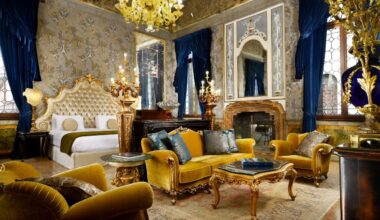
They understand proportion, materiality, and spatial flow instinctively. Hotels chosen today are those that age well – designs that reveal depth over time rather than relying on immediate impact.
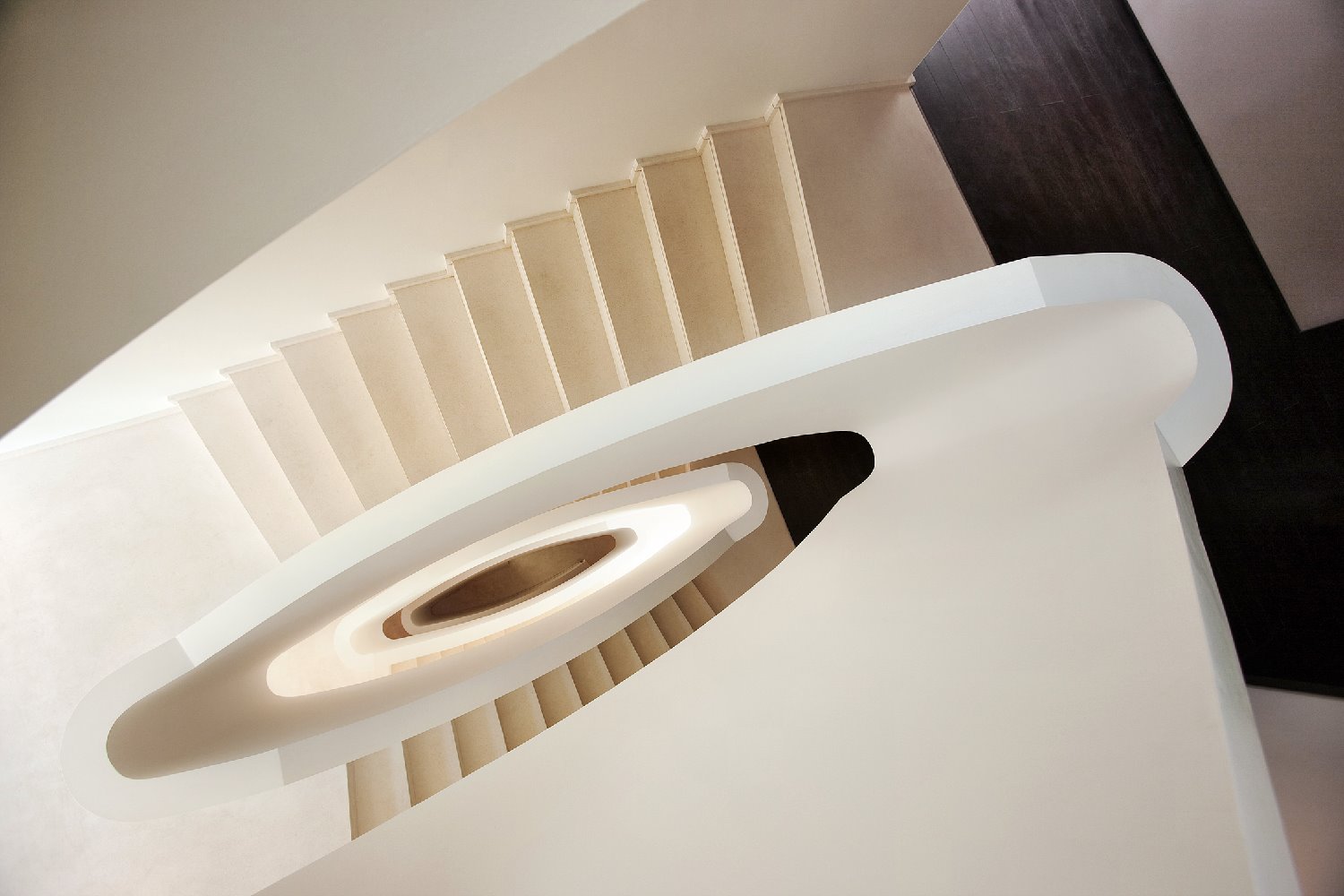
The best properties have three key traits. They use natural materials. They have simple designs. They connect indoor and outdoor spaces well. Hotels that respect the environment, whether in Asia, the Mediterranean, or the Middle East, do better than those that harm it.
Design, in this context, is not decoration. It is intelligence.
What These Trends Tell Us About Luxury Travel in 2026
Taken together, these trends reveal a clear evolution.
Luxury travel has become quieter. More selective. More emotionally driven. High-end travelers are no longer impressed by abundance; they are drawn to coherence.
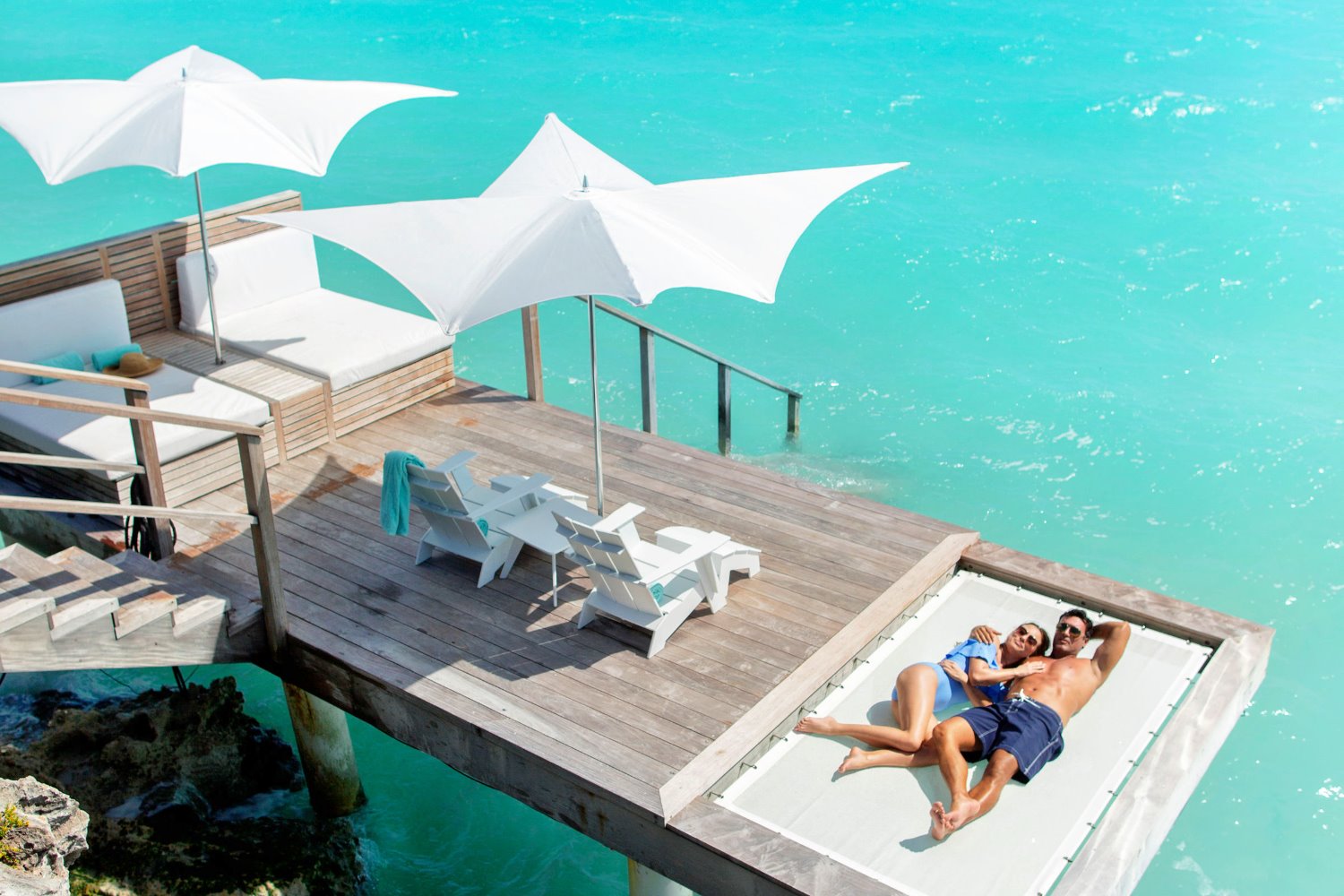
They book destinations that naturally offer space. Cities that reward curiosity. Hotels that feel intentional rather than performative.
Travelers using PrivateUpgrades have access to properties that align with these values. They find hotels where upgrades truly enhance the experience, not just a little.
In 2026, luxury is not about doing more. It is about choosing better. And those who understand this are not chasing trends – they are setting them.