
Israel Luxury Travel Guide: Jerusalem, Tel Aviv, Desert And Dead Sea Planning is a refreshed PrivateUpgrades guide for travelers who want a useful answer, not a generic list. The focus is practical luxury: where the hotel fits, which room category matters, when to book and how benefits can improve the stay.
For Israel luxury travel guide, the strongest decision is rarely the loudest hotel or the lowest rate. It is the stay that protects comfort, timing, location and the emotional purpose of the trip.
Table of Contents
Plan With PrivateUpgrades
Compare eligible luxury hotels, current benefits, room categories and total stay value before confirming.
Key Takeaways
- Jerusalem and Tel Aviv create very different luxury trips.
- The desert should be treated as a real chapter, not a side trip.
- Travelers should check current local conditions before departure.
- Hotel location matters because daily movement can shape the trip.
Fast Answer
| Base | Best For | Planning Note |
|---|---|---|
| Jerusalem | History, heritage, culture | Choose calm service and access. |
| Tel Aviv | Food, design, beach, nightlife | Stay near the actual evening plan. |
| Negev desert | Views, wellness, privacy | Stay long enough to slow down. |
| Dead Sea region | Wellness and landscape | Check transfer and season. |
Editorial method: this refresh keeps the original URL and publication date, but updates the article around current search intent, PrivateUpgrades booking relevance, internal links, images, FAQ schema and a clearer decision framework.
Hotels To Compare On PrivateUpgrades
- Waldorf Astoria Jerusalem: For classic Jerusalem comfort.
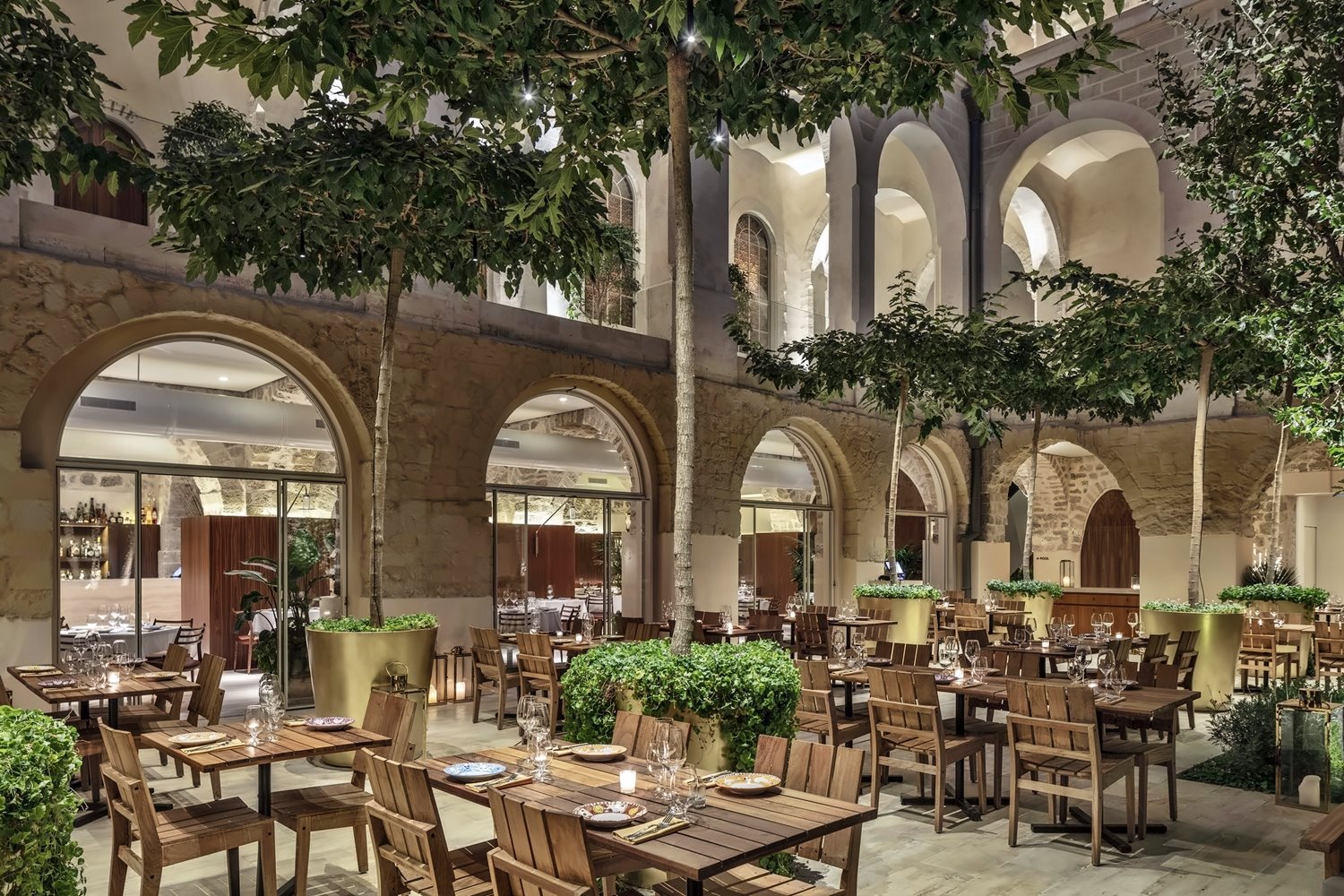
- The Jaffa: For Tel Aviv heritage and design.
- Beresheet Hotel: For desert views and a slower luxury mood.
- Six Senses Shaharut: For remote wellness and desert privacy.
Start With The Trip Mood
Israel can be cultural, culinary, spiritual, coastal or desert-led. The best luxury itinerary does not try to make every day do everything. It chooses a clear rhythm.

Jerusalem: Heritage And Ceremony
Jerusalem suits travelers who want history, architecture, museums and a strong sense of place. A calm hotel matters because the days can be intense.

Tel Aviv: Food, Design And Beach Energy
Tel Aviv is more social and contemporary. The hotel should match the evening plan, dining interests and beach access rather than only the city name.
Desert Stays: The Luxury Of Space
Desert hotels need time. One rushed night can feel like logistics. Two or three nights allow sunrise, spa, pool time and a slower state of mind.
Current Travel Checks
Travelers should check current travel advisories, airport procedures and local conditions before confirming. This keeps the article useful without pretending that travel rules never change.
Search Intent Focus: Israel Luxury Itinerary
The Israel article should serve users comparing Jerusalem, Tel Aviv and desert hotels. Its useful lane is itinerary design, not broad destination marketing.
Freshness Protection
Because local conditions can change, the article keeps current-travel language careful and places its evergreen value in hotel base selection, pacing and trip structure.
How To Choose
First Trip
Pair Jerusalem and Tel Aviv.
Wellness Trip
Add desert time with enough nights.
Food Trip
Use Tel Aviv as the anchor.
Avoid
Building a crowded itinerary that leaves no recovery time.
PrivateUpgrades Booking Lens
PrivateUpgrades value is strongest when a trip has real trade-offs: location versus view, famous hotel versus quieter fit, lower rate versus stronger benefits, or one-night convenience versus a stay that deserves more time.
A good luxury booking should be specific. Travelers should know the room category, the reason for choosing the area, the benefit value and the arrival plan before confirming.
The Traveler-Type Decision
The best answer for Israel luxury travel guide depends on the traveler profile. A couple may care about privacy, view and dining. A family may care about room layout, pool access and breakfast. A business traveler may care about location, arrival timing and a quiet room. A wellness traveler may care about spa depth, outdoor space and the ability to slow down without leaving the hotel.
This is why a luxury article should not behave like a flat ranking. The strongest hotel for one trip can be the wrong hotel for another. A useful guide helps the reader recognize which version of luxury they are actually buying.
| Traveler Type | Main Priority | Booking Focus |
|---|---|---|
| Couples | Privacy, view, dining | Room category and dinner timing. |
| Families | Space, comfort, ease | Connecting rooms, breakfast and pools. |
| Business travelers | Access and reliability | Location, check-in and quiet rooms. |
| Wellness travelers | Recovery and rhythm | Spa depth, treatments and late check-out. |
| Celebration trips | Sense of occasion | Suite, view, service and benefits. |
Benefit Value Checklist
| Benefit | When It Matters | Luxury Impact |
|---|---|---|
| Daily breakfast | City and resort stays | Calmer mornings and better daily value. |
| Hotel credit | Spa, dining and resort trips | Supports experiences guests actually use. |
| Upgrade priority | Views, suites, terraces | Can improve the emotional center of the stay. |
| Early check-in / late check-out | Long-haul and short trips | Protects arrival and departure days. |
Planning Sequence
| Step | Question | Why It Helps |
|---|---|---|
| Purpose | What is the trip for? | Defines the right hotel style. |
| Location | Where will days and evenings happen? | Reduces friction. |
| Room | Which category creates the stay? | Avoids photo-led disappointment. |
| Benefits | What will be used? | Measures total value. |
| Timing | What sells out first? | Protects choice. |
The planning sequence should happen before the final price comparison. This protects the traveler from choosing a hotel because it looks good in isolation. Luxury travel works better when every decision supports the next one: destination, area, hotel, room, benefits, timing and daily rhythm.
If any one of those layers is weak, the stay can still feel wrong. A great suite in the wrong area creates daily friction. A famous hotel with the wrong room category can feel disappointing. A generous promotion can lose its appeal if it forces awkward dates or poor cancellation terms.
Room Category Logic
Room category is one of the most underestimated luxury decisions. Travelers often see a beautiful hotel image and assume the booked room will feel similar. In reality, view, floor, size, bathroom layout, balcony, terrace, suite separation and connecting-room options can change the whole stay.
For short stays, location and arrival ease may matter more than the largest room. For longer stays, the room becomes part of the destination. For resorts, outdoor space and view often shape the emotional memory. For city hotels, sound insulation, floor level and walkability can be just as important.
| Room Detail | When It Matters | What To Ask |
|---|---|---|
| View | Scenic, romantic or resort stays | Which room categories have the real view? |
| Outdoor space | Beach, island, summer, privacy | Is the balcony or terrace private and usable? |
| Suite layout | Families, couples, long stays | Is the living area truly separate? |
| Quiet location | Cities and wellness trips | Where is the room placed in the building? |
| Connecting setup | Families and groups | Is it confirmed or request only? |
Season And Timing
Seasonality changes the meaning of luxury. A beach resort in peak season may offer energy and atmosphere, but also higher demand and less room choice. A city in shoulder season may feel more elegant because museums, restaurants and hotel teams have more breathing room. A ski hotel or festive-season resort requires much earlier planning than a flexible weekday city break.
The key is to book early when choice matters and stay flexible when several options would satisfy the trip. Waiting only for a lower rate can be expensive if the best categories, views or benefit packages disappear first.
What To Avoid
| Red Flag | Why It Matters | Better Move |
|---|---|---|
| One-image booking | Photo may show a higher category. | Confirm exact room and view. |
| Weak location fit | Transfers can drain the stay. | Map the itinerary first. |
| Deal-led choice | Savings can create compromise. | Compare total value. |
| Too many stops | Luxury becomes logistics. | Choose fewer, better bases. |
A Stronger Way To Read Hotel Photos
Hotel photography is useful, but it should be read carefully. The best images often show signature suites, best views, freshly styled corners and ideal weather. A luxury traveler should ask what category is shown, whether the view is guaranteed, how recently the room was renovated and whether the image reflects the booked experience.
This does not make photography misleading by default. It simply means that a hotel image is inspiration, not confirmation. The booking should translate that inspiration into a specific room type, location and arrival plan.
Why Fewer Better Choices Often Win
Many luxury trips are weakened by overplanning. Adding another stop, another hotel or another transfer can make the itinerary look richer on paper while making the actual journey less relaxing. A better approach is often to choose fewer bases and use each hotel more fully.
This is especially true when the hotel has strong restaurants, spa, pools, gardens, beach access or cultural surroundings. If the property is part of the reason for traveling, the itinerary should leave time to enjoy it. Otherwise the traveler pays for luxury but experiences mostly movement.
Who Should Book Differently
Not every traveler should follow the same advice. A first-time visitor may want the most convenient base. A repeat traveler may prefer a quieter area or a more characterful hotel. A family may need predictability. A couple may value privacy. A solo traveler may prefer a hotel with strong restaurants and easy evening access.
This is why PrivateUpgrades-style planning focuses on fit. The right hotel is not only the best-reviewed property. It is the one that understands the trip the traveler is actually taking.
Editorial Interest Check
The refreshed article is designed to keep the reader close to a real travel decision. It gives a point of view, named hotel examples, clear trade-offs and enough practical detail to feel useful rather than interchangeable.
The article also avoids broad destination-page cannibalization by focusing on a sharper question. Instead of trying to rank every hotel in a place or theme, it explains the decision logic behind a high-end stay and points readers toward relevant PrivateUpgrades hotel pages when booking intent becomes stronger.
FAQ
What is the best way to plan Israel luxury travel guide?
Start with the purpose of the trip, then choose the hotel style, location and room category that support it. Compare benefits, seasonality and practical logistics before focusing on rate.
Can I book these hotels with PrivateUpgrades benefits?
Many featured hotels can be booked through PrivateUpgrades with benefits where available, such as breakfast, hotel credit, upgrade priority, early check-in, late check-out and VIP recognition.
When should I book?
Book early for peak dates, festive weeks, villas, suites, connecting rooms, view categories and small resorts. Flexible city trips may allow more time, but the best room categories often disappear first.
What is the biggest luxury planning mistake?
The biggest mistake is choosing the most famous hotel without checking whether it fits the real itinerary. Location, room category, transfer time and daily rhythm decide the quality of the stay.
How important are hotel benefits?
Benefits matter when they are usable. Breakfast, hotel credit and upgrade priority can improve total stay value, especially at resorts, city hotels with expensive dining and longer stays.
How does PrivateUpgrades help?
PrivateUpgrades helps travelers compare hotels by style, benefits, booking value and fit. The goal is to match the property to the trip, not just secure a room.
Methodology
The update reviews the original article, preserves useful PrivateUpgrades hotel links and approved imagery, removes outdated framing, and rebuilds the page around decision intent, readable structure, commercial relevance and mobile-safe formatting.
Plan The Stay
Ready to compare hotels, benefits and room categories? Start with PrivateUpgrades or use the links above to find eligible luxury hotels with VIP benefits where available.